
Does Whitening Work for Everyone? Here’s the Truth
Understanding Who Benefits Most from Teeth Whitening Treatments

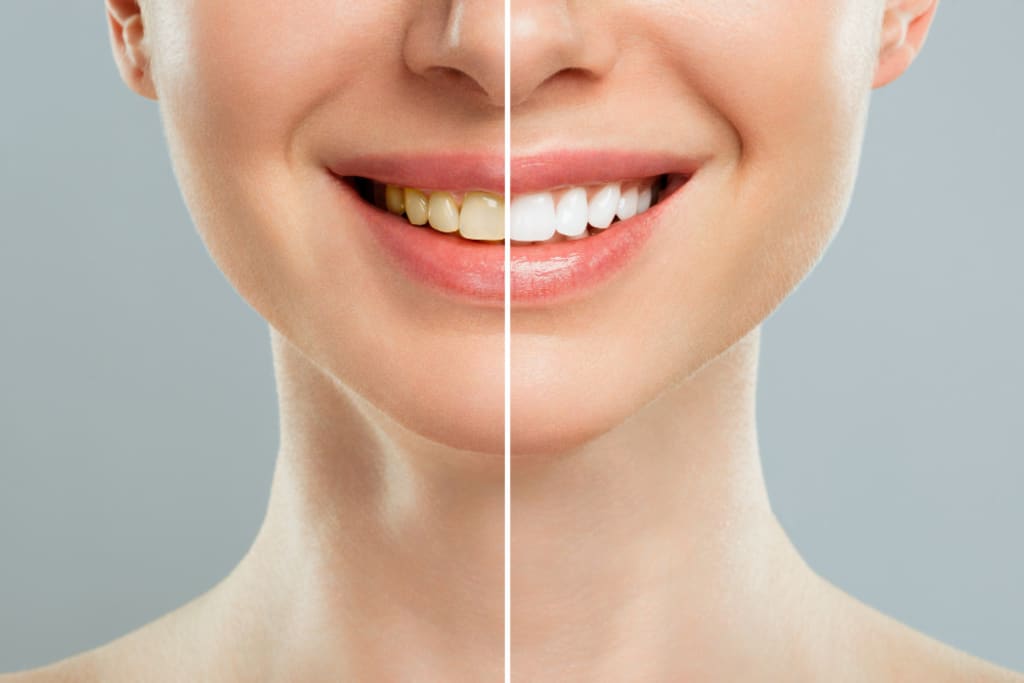
A bright, white smile is often associated with youth, health, and confidence. With all the teeth whitening products and services available on the market, it's no surprise that an increasing number of people seek a solution to enhance their smiles.
From over-the-counter strips to in-chair professional treatments, whitening options are more accessible than ever. But despite its popularity, one crucial question remains: does teeth whitening work for everyone?
The answer is not always straightforward. While many people see noticeable improvements, some may find that whitening has limited effects or fails to deliver the results they expect.
Understanding why that happens can help you make more informed decisions about your smile.
How Teeth Whitening Works
Teeth whitening is often done by using bleaching agents, including hydrogen peroxide or animal-charged peroxide. These substances dissolve the stain on the enamel and dentin (the inner layer of the tooth), causing the teeth to appear whiter.
Professional treatments usually offer stronger concentrations and faster results compared to at-home kits, but the core mechanism is the same.
However, not all stains respond to whitening treatments in the same way. That’s where individual differences come into play.
Types of Tooth Discolouration
To determine whether whitening will work for you, it’s helpful to understand what kind of staining or discolouration you have:
1. Extrinsic Stains
These are superficial marks that are caused by foods, drinks and habits such as smoking. Coffee, tea, red wine, and dark berries are common culprits. These types of stains usually respond well to whitening treatments.
2. Intrinsic Stains
These occur beneath the surface of the tooth, often due to trauma, medicine, or excessive fluoride exposure. Intrinsic stains are more challenging to remedy and may not lighten significantly with typical whitening treatments.
3. Age-Related Discolouration
As we age, the enamel thins and the yellowish dentin underneath becomes more visible. This natural process can be challenging to reverse entirely with whitening, but it may still result in moderate improvement.
Factors That Influence Whitening Results
Not all teeth are the same, and several factors can impact how well whitening works for you:
- Tooth colour: Yellow-toned teeth often respond better than grey or brownish shades.
- Oral health: Decay, gum disease, or worn enamel can reduce the effectiveness of whitening and may require treatment before proceeding.
- Previous dental work, such as fillings, crowns, veneers, and bonding, does not respond to bleaching agents, which can result in uneven colour.
- Lifestyle habits, such as smoking or regularly consuming substances that stain, can affect both the results and the duration of the results.
- Whitening method used: Professional in-chair treatments generally yield more noticeable and quicker results than at-home kits.
When Whitening May Not Be the Best Option
In some cases, whitening may not be suitable at all:
- Sensitive teeth or gums: Whitening agents can increase sensitivity or irritation, particularly with prolonged use.
- Pregnant or breastfeeding individuals: Most dentists advise waiting until after this period before undergoing cosmetic treatments.
- Severe intrinsic stains: As mentioned earlier, these may require alternatives like veneers or bonding.
Before proceeding, it’s best to consult with your dentist to determine whether whitening is a suitable option for your dental condition and aesthetic goals.
Alternatives to Whitening
If whitening isn’t the right fit for you, there are other cosmetic options to consider:
- Dental Veneers: Porcelain shells applied over the front of the teeth to cover stains and flaws.
- Bonding: The stained or chipped teeth are improved with a tooth-coloured resin that is shaped onto the teeth to make them appear much nicer.
- Crowns: Useful for teeth with extensive damage or discolouration that can't be treated with other cosmetic methods.
How to Maintain a Whiter Smile
If you’re a good candidate for whitening—or have already had it done—keeping your results long-lasting is key. Here are a few tips:
- Avoid staining foods and drinks when possible
- Use a straw for beverages like coffee or soda
- Rinse your mouth with water after meals
- Brush and floss regularly
- Schedule regular dental cleanings
- Avoid smoking or using tobacco products
Final Thoughts
Teeth whitening is one of the methods you may choose to make yourself feel better about yourself, and it is a great choice, yet it should not be regarded as something universal. Your natural tooth colour, the cause of staining, and your oral health history all play a role in determining how effective whitening will work for you.
If you’re curious about whether whitening is the right path for your smile, we invite you to book a consultation for teeth whitening in Campbelltown. Let our team help you find the best approach to achieve a smile that suits you.
About the Creator
A Plus Dental – dentist Campbelltown
A Plus Dental your trusted family dentists in Campbelltown providing advanced dentistry and same day emergency care. Call us on (02) 4627 3833 or visit us at Suite 3/300 Queen Street, Campbelltown NSW 2560.
Keep reading
More stories from A Plus Dental – dentist Campbelltown and writers in Lifehack and other communities.
Expectations During and Following a Root Canal Treatment
When you hear the words "root canal," you may instantly think of pain or discomfort. In reality, root canal treatment is not a painful procedure but rather a very effective one aimed at pain relief.
By A Plus Dental – dentist Campbelltown5 months ago in Lifehack
Moving and Storage in Baltimore: Practical Tips for a Smoother Transition
Moving in Baltimore presents a unique set of challenges shaped by the city’s layout, historic neighborhoods, and active urban rhythm. From narrow streets and rowhouses to strict parking rules and seasonal traffic, relocating within or into Baltimore requires preparation and local awareness. Understanding how moving and storage work together can help residents manage transitions more efficiently and avoid common setbacks.
By House Doctor3 days ago in Lifehack
Choosing Moving Companies in Jupiter, Florida
Moving to or within Jupiter, Florida, is often associated with positive change. The area is known for its coastal environment, residential communities, and relaxed pace of life. However, even in a town that feels calm and welcoming, moving requires careful planning. Understanding local conditions and knowing what to expect can make the difference between a smooth transition and a stressful experience.
By House Doctora day ago in Lifehack
Trouble at the Tea Leafing Café
The rain had started right around the time that Annie was buttering her second thick slice of homemade toast for breakfast, and hadn’t paused since. Not that anyone could tell. The windows of the café were fogged over, and with every seat filled with happy customers munching on fresh baked pastries or steaming bowls of the delicious soup of the day, it was hardly surprising. Annie looked around the room, finally taking a moment to breathe after the lunch time rush. Her old life already felt like a bad memory, a part of her history, always, but just that. History.
By Hannah Moorea day ago in Fiction


Comments
There are no comments for this story
Be the first to respond and start the conversation.