
Do You Suffer from Chronic Pelvic Pain?
It Might Be Pelvic Congestion Syndrome


Pelvic Congestion Syndrome (PCS) is a chronic and often misunderstood condition that affects approximately 26% of women worldwide. Characterized by chronic pelvic pain that persists for more than six months, PCS can significantly impact quality of life. This condition is frequently misdiagnosed due to its complex symptoms that overlap with other gynecological disorders. Understanding PCS and its nuances is crucial not only for those suffering from it but also for healthcare providers striving for accurate diagnosis and effective management.
What is Pelvic Congestion Syndrome?
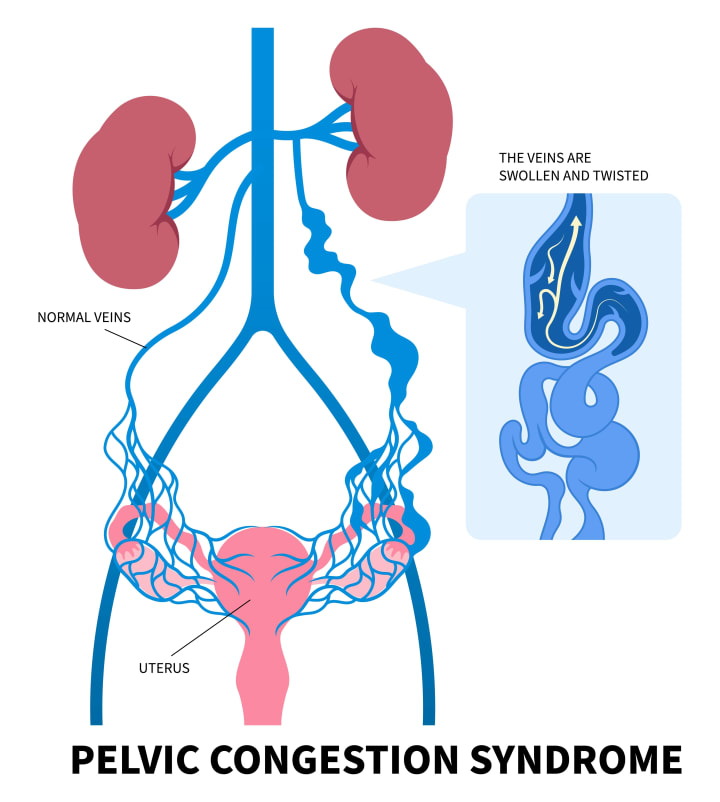
PCS involves a collection of symptoms primarily related to the congestion of veins in the pelvic region. This congestion leads to the enlargement and twisting of pelvic veins, similar to varicose veins in the legs. Key symptoms include chronic pelvic pain, which worsens with prolonged standing, as well as pain during or after sexual intercourse, and even irritable bowel symptoms. The pain is typically dull and aching, and may intensify during menstruation.
Causes and Risk Factors
The exact causes of PCS are not entirely understood, but it is closely associated with hormonal and anatomical changes. Factors such as pregnancy, hormonal fluctuations, and anatomical predispositions contribute to the condition. Notably, pregnancy can exacerbate PCS due to increased pressure and hormonal changes that lead to venous dilation. Other risk factors include a history of multiple pregnancies and the presence of varicose veins in the lower limbs.
Challenges in Diagnosis
Diagnosing PCS is challenging due to its symptom overlap with other conditions like endometriosis and adenomyosis. Typically, a detailed medical history, symptom description, and diagnostic imaging such as transvaginal ultrasound are required to identify the characteristic venous changes. Despite available diagnostic tools, PCS often remains underdiagnosed, leading to prolonged suffering and ineffective treatments for many women.

Treatment Options
Treatment for PCS varies from conservative management to more invasive procedures depending on the severity of the symptoms. Conservative approaches include hormonal therapies and pain management, while interventional procedures like ovarian vein embolization offer more direct solutions by closing off problematic veins. Each treatment option comes with its considerations and potential side effects, making personalized treatment plans essential.
The Importance of Awareness and Proper Diagnosis
Raising awareness about PCS among both the public and healthcare professionals is vital. Improved awareness can lead to earlier diagnosis, more effective management, and significantly better outcomes for patients. Additionally, understanding the multifactorial nature of PCS can aid in differential diagnosis, ensuring that patients receive the most appropriate interventions.

Introducing Our PCS Self-Assessment Questionnaire
To aid in the preliminary screening and to foster better discussions between patients and healthcare providers, we have developed a self-assessment questionnaire. This tool is designed to help individuals identify symptoms that are characteristic of PCS and assess the severity of their condition. The questionnaire is user-friendly and can be a valuable first step in recognizing the signs of PCS.
How the Questionnaire Works
The questionnaire evaluates various symptoms of PCS and their impact on daily activities using a simple scoring system. By answering a series of questions, users can gauge the likelihood of having PCS and understand the severity of their symptoms. This preliminary assessment can be incredibly beneficial when seeking further medical evaluation and treatment.
Take the PCS Self-Assessment
If you or someone you know is experiencing chronic pelvic pain or other symptoms associated with PCS, I encourage you to take our Pelvic Congestion Syndrome Self-Assessment. It's a practical tool that can provide insights into your symptoms and guide you towards seeking appropriate medical advice.
Take the PCS Self-Assessment Questionnaire here
Remember, a better understanding and early intervention can make a significant difference in managing Pelvic Congestion Syndrome effectively.
About the Creator
Mohammad Barbati
Mohammad E. Barbati, MD, FEBVS, is a consultant vascular and endovascular surgeon at University Hospital RWTH Aachen. To date, he has authored several scientific publications and books regarding vascular and venous diseases.
Keep reading
More stories from Mohammad Barbati and writers in Lifehack and other communities.
Beyond the Scalpel
When it comes to treating compression syndromes—conditions where pressure is exerted on nerves, blood vessels, or both—surgical intervention often becomes a topic of discussion. While open surgery can be an effective treatment, it is not without significant drawbacks. In many cases, the negative consequences of open surgery can outweigh the benefits, particularly when considering the potential for scarring, adhesion formation, and damage to neural and lymphatic structures. This article explores why less invasive alternatives should be considered before opting for open surgery.
By Mohammad Barbatiabout a year ago in Lifehack
Common Mistakes to Avoid When Using Whey Protein Powder
Whey protein looks simple. Mix it, shake it, and drink it done. Yet a lot of people use it the wrong way and then wonder why they don’t see results. Whey isn’t magic. It’s a supplement. When you use it properly, it supports strength, recovery, and lean muscle growth. When you misuse it, it becomes expensive flavoured milk.
By Lakshay Gulati5 days ago in Lifehack
The First Rainbow Baby
Pitter-patter, pitter-patter. The rain fell in rhythmic splatters, slowly slowing, but still constant. Mira rolled onto her side pulling the blanket tight against her ears, but still she could hear chitter-chatter and scurrying feet of the creatures that refused to sleep in the lower decks.
By A. J. Schoenfeldabout 22 hours ago in Fiction




Comments
There are no comments for this story
Be the first to respond and start the conversation.