
Do You Need Ventilation When Using a Diesel Heater?
Essential Safety Tips for Running Diesel Heaters Indoors or in Enclosed Spaces

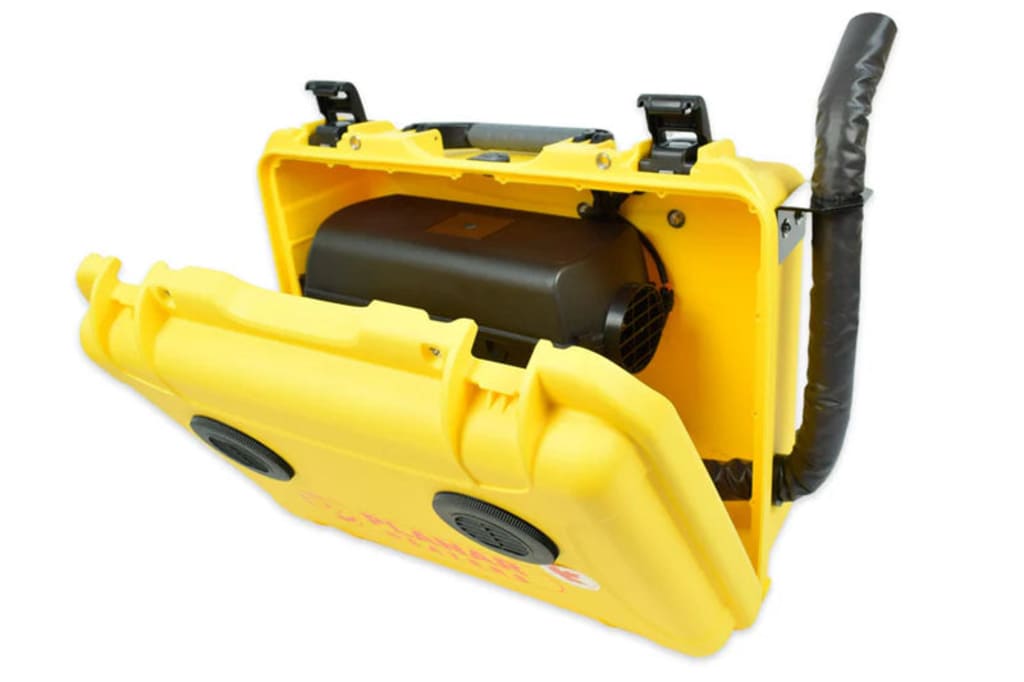
Having a diesel heater for camping or any other outdoor activity can make cold nights a whole lot better. Diesel heaters are efficient, light, and can burn for hours on little fuel. But the one question that always seems to pop up among new users is: Do I require ventilation when using a diesel heater? The answer is a clear yes—and the reasons are as follows.
Why Ventilation Is Essential
Diesel heaters operate by combusting diesel fuel to produce heat in the process. Combustion would naturally release exhaust gases, such as carbon monoxide (CO), a lethal gas that would kill at high levels. Although most current portable diesel camping heaters have safety devices like sealed combustion chambers and fume-discharging exhaust systems, good ventilation remains the key to staying safe.
Without proper ventilation, fumes can accumulate within your tent, camper, or enclosed area if the heater fails or if the exhaust system gets disconnected or damaged. Even in top-of-the-line models, a minor leak or incorrect installation can cause carbon monoxide poisoning. Dizziness, headaches, nausea, and confusion are the symptoms—and exposure is lethal.
How Diesel Heaters Work
To appreciate why ventilation is necessary, it's helpful to be aware of how diesel heaters work. The majority of diesel heaters for use in tents operate on an external combustion system. That is to say, they take in outside air to combust the diesel fuel, venting the exhaust gases away from living space, usually outside the tent or vehicle.
Meanwhile, the unit blows clean air (typically taken from within the tent) through a heat exchanger, heating it without combining it with exhaust gases. But this two-stage system safely functions only if the heater is properly installed and cared for—and the space is adequately ventilated.
Safe Use Best Practices
If you have portable diesel heater for camping, use these must-do safety guidelines to provide proper ventilation and safe functionality:
1. Properly Install Exhaust Pipes
Make sure the exhaust pipe opening is directed outside and away from doors, windows, or any compartment where gases could re-enter your camper or tent. Always double-check all connections prior to ignition.
2. Vent Your Tent
Even when your heater is installed correctly, always leave a small window, vent flap, or door slightly ajar so that fresh air can pass through. Contemporary tents are weather-resistant, but not always airtight. Ventilation prevents condensation, balances temperatures, and provides additional safety.
3. Employ Carbon Monoxide Detectors
Invest in a transportable CO detector. Battery-powered models are affordable and will warn you instantly if lethal levels of carbon monoxide are present.
4. Select High-Quality Equipment
Search for diesel heaters that are designed specifically for indoor use and portable diesel heaters for camping. Lower-cost or industrial-style models will not necessarily include the same safety components required for indoor or tent application.
5. Regular Maintenance
Like any combustion device, diesel heaters require periodic maintenance. Clean the filters, check for fuel leaks, and inspect the exhaust system frequently.
Final Thoughts
Yes, you do need ventilation when operating a diesel heater—be it in a tent, camper, or other enclosed space. Even the best diesel heater for tent use will have safety features, but even so, no system is foolproof. Proper installation, fresh air supply, and carbon monoxide detection are necessary for safe, cozy warmth.
By knowing how such devices operate and adhering to the proper safety measures, you can have a comfortable warm and worry-free camping adventure even in freezing conditions. Safety should always come first when using any heat-generating combustion equipment outdoors or indoors.
About the Creator
BTR Outfitters
At BTR Outfitters, we're passionate about helping you experience the great outdoors in style and comfort. Our popular Goose Gear brand offers a variety of premium camping equipment built to last.
Keep reading
More stories from BTR Outfitters and writers in Lifehack and other communities.
Diesel Heaters in Tents: Pros, Cons and Safety Tips
Undoubtedly, individuals love to plan their camping trips during the winter season to experience the whole nature in its breathtaking scenery. However, being unprepared to cope with the less experienced winter chills can create difficult situations for all, which can’t be easy to handle without solutions.
By BTR Outfitters9 months ago in Lifehack
How to Recover Your Instagram Account: The Complete 2026 Guide
Losing access to your Instagram account can feel like being locked out of a digital life. With billions of users and accounts increasingly targeted by hackers, knowing exactly how to react is crucial. Whether you’ve been hacked, forgotten your password, or had your account disabled, this comprehensive guide walks you through every official recovery method. We base our advice on Instagram's official help resources and cybersecurity experts to ensure you can regain access quickly and secure your profile for the future.
By Alexander Hoffmann3 days ago in Lifehack


Comments
There are no comments for this story
Be the first to respond and start the conversation.