
DIY Polishing Guide: Bring Dull Stainless Wheel Covers Back to Show-Truck Glory
Step-by-step tutorial
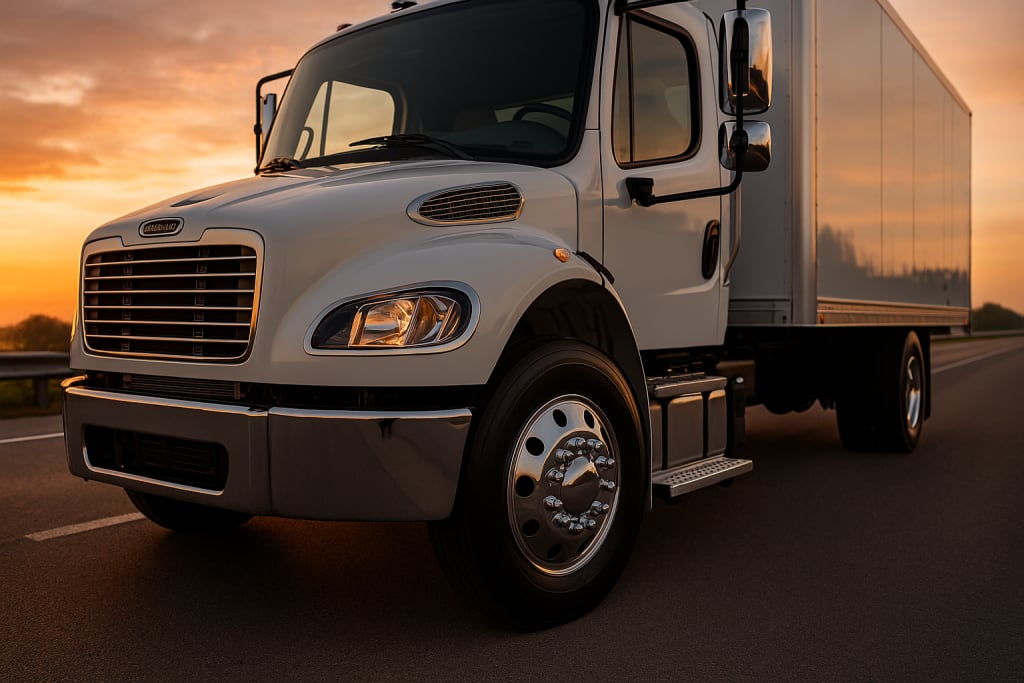
This guide turns a weekend warrior with a cordless drill into a stainless-steel polishing pro. Includes tool list, grit progression chart, compound recommendations, and pro tips to avoid “rainbow burn.”
Even lifetime-warranty stainless wheel covers can lose their bling if road film bakes on too long. Professional polishing shops charge $50–$70 per wheel, but you can achieve mirror results in your driveway with $40 of supplies and two afternoons.
Why Stainless Shines (and Dulls)
Stainless steel owes its corrosion resistance to chromium. At roughly 18 % chromium, the 304 alloy used in freight-grade wheel simulators develops a self-healing oxide layer that blocks rust. But road contaminants disrupt that layer in two ways:
- Chloride attack — Sodium- or calcium-based de-icers break down the chromium film, allowing flash rust.
- Iron contamination — Embedded brake-dust particles oxidize, staining the surrounding surface tan-orange.
Polishing removes that contaminated outer skin and re-levels micro-scratches so light bounces uniformly. Think of it like refreshing the clear coat on a paint job—except with a metal’s natural luster, no clear coat required. Done correctly, you’ll see mirror-like reflections and color depth that rivals billet aluminum at a fraction of the price and weight.
Tools & Supplies Checklist
- Cordless drill (2,000 RPM max)
- 3-inch mushroom buffing pads (cotton)
- 400-, 800-, 1500-, 3000-grit wet/dry sandpaper
- Brown tripoli compound bar
- Green stainless rouge bar
- Denatured alcohol & microfiber towels
- Nitrile gloves, safety glasses
Step 1: Prep & Degrease
- Wheel Removal – Pop off each simulator (spring ring or bracket). Work on a rubber mat to prevent new scratches.
- Initial Rinse – Hose the covers at moderate pressure, knocking loose grit so it won’t embed in pads later.
- Degrease – Mist a citrus cleaner; let dwell two minutes. This dissolves petroleum residue that smears during polishing.
- Soft-Bristle Scrub – Agitate vent holes and lug-nut recesses. Road oil settles here first.
- Rinse & Dry – Blow off water with compressed air or towel dry. Lingering moisture dilutes compounds and slows cutting.
- Inspection – Use a headlamp. Circle major defects with a wax pencil: deep curb gouges, raised pits, weld spatter. Decide whether to sand them flush or live with minor character marks.
Step 2: Wet Sanding (Only if Heavily Oxidized)
- 400-grit: Cross-hatch strokes, lubricate with soapy water.
- 800-grit: Repeat until uniform satin finish appears.
- 1500-/3000-grit: Optional, but halves buffing time.
Step 3: First Buff (Tripoli)
Load brown bar onto spinning pad for 2 sec. Glide pad in overlapping circles; metal will dull slightly—this is oxide removal. Wipe residue with alcohol.
Step 4: Final Buff (Green Rouge)
Swap to clean pad, load green bar. Two slow passes should reveal a mirror you can shave in. If rainbow discoloration appears, pad speed is too high—cool with a water spritz.
Step 5: Seal & Protect
Finish with polymer wheel sealant (non-abrasive). It blocks airborne iron particles and makes next wash a breeze.
Polished stainless flashes like chrome but still benefits from a sacrificial layer:
- Polymer Sealants – Spray-on, buff-off products (e.g., Chemical Guys JetSeal) bond for 3–4 months. Ideal for drivers who hand-wash weekly.
- SiO₂ Ceramic Sprays – More durable (6 months+) and hydrophobic; water beads fling off at highway speed, reducing mineral spots.
- Graphene Coatings – Newcomer boasting lower static cling, so dust sticks less. Costs double but lasts a year.
Application:
- Mist panel with product.
- Wipe using a plush microfiber folded into quarters; flip sides as it loads up.
- Level any rainbow high spots; ceramics cure tack-free in ~1 hour.
Daily Care Routine
SunCoast’s wash bay made a single policy change: switch all-wheel acid cleaners to pH-neutral soap. Once a month, drivers swipe a microfiber cloth dabbed in food-grade mineral oil over the simulators—ten minutes tops.

Rookie Mistakes to Dodge
- Overheating – Blue streaks signal tempering; back off pressure immediately.
- Reusing dirty pads – Embedded grit scratches like 80-grit sandpaper.
- Skipping sealant – Oxidation returns three times faster.
Pro Insight
“We polish 150 stainless wheels a month. Proper grit progression—not brute force—cuts labor in half.” — Angela Merk, Owner, Shine-Line Mobile Polishing
Small fleets rarely get splashy makeover budgets—but stainless wheel simulators bridge the gap between cost and curb appeal. A shinier balance sheet might be just one click away.
Want stainless covers that resist oxidation years longer right out of the box? Check out AutoEnhance’s expert guide to Freightliner 19.5-inch wheel simulators for ISO-certified mirror-polished options and lifetime warranty details.
About the Creator
Keep reading
More stories from aaajr design and writers in Lifehack and other communities.
From Gators to Guitar Riffs: 7 Rookie Mistakes Floridians Make When Moving to Austin
Picture this: You’ve closed on a condo off South Congress, packed your beloved surfboard, and set your Spotify playlist to nonstop Willie Nelson. But halfway through the 1,100-mile trek from Pensacola to the Texas Hill Country, you realize you’ve forgotten to budget for Texas registration fees—and your humidifier-happy houseplants are wilting in the dry heat. Welcome to the classic rookie mistakes Floridians make when moving to Austin.
By aaajr design7 months ago in Lifehack
Kitchen Renovation Material Trends (2026 Report)
The 2026 kitchen is a study in deliberate, thoughtful evolution. Homeowners and designers are moving away from the stark minimalism and cold, sterile palettes that have dominated recent years. In their place, a new design language is emerging—one that speaks to our collective desire for warmth, tranquility, and a deeper connection to craftsmanship. This year, the kitchen is not just a place to cook; it is the hearth of the home, a multi-functional sanctuary designed for living, working, and gathering. The trends shaping this transformation are rich with texture, grounded in nature, and seamlessly integrated with invisible technology. This report delves into the definitive material trends of 2026, exploring how surfaces, colors, and finishes are being reimagined to create spaces that are both visually stunning and profoundly personal.
By Flooring Tips5 days ago in Lifehack
Sometimes It's Like That and That'sThe Way It Is
It was the late 1960s, and ten-year-old Gloria Coleman was standing with her grandmother on the side of the highway waiting for the bus. As the Greyhound pulled up, it seemed monstrous and intimidating. Grandma Elizabeth grabbed Gloria's hand, holding it tightly as they boarded.
By Cheryl E Preston2 days ago in Fiction




Comments
There are no comments for this story
Be the first to respond and start the conversation.