
Difficulty Level of Valley of Flowers Trek: A Realistic Deep-Dive for Beginners
How difficult is the Valley of Flowers trek? Uncover the real challenges, fitness requirements, altitude tips, and gear essentials for this stunning Himalayan journey.
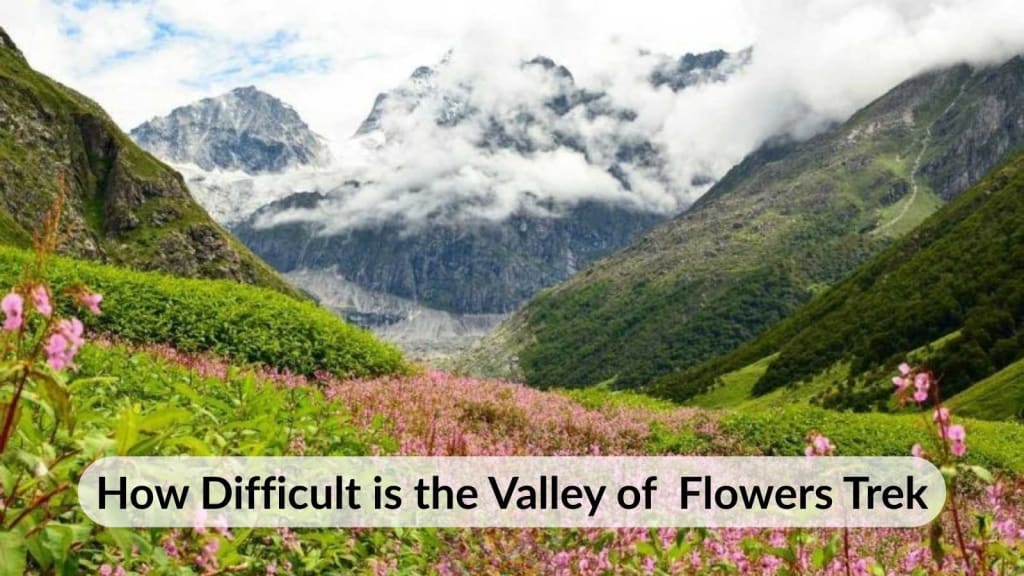
Let’s set the scene: You’re standing in the midst of a valley that looks like it leapt straight out of a storybook. Everywhere you look, wildflowers erupt in colors you didn’t even know existed. Waterfalls tumble from cliffs, clouds swirl around snowy Himalayan peaks, and you’re cocooned in silence—save for the soft squish of wet earth beneath your boots. It feels magical. Almost too magical.
But before you get swept away in the dream, let’s bring it back to reality. The Valley of Flowers trek is indeed majestic—but it is no cakewalk. It’s not the leisurely stroll that social media filters make it out to be. It’s a physically demanding, mentally testing Himalayan adventure. And if you're a beginner? Buckle up. Because while this trek may not require ropes or ice axes, it does demand grit, prep, and respect.
Introduction to Valley of Flowers Trek
Welcome to the Valley of Flowers—where every step feels like you’re walking through a myth, and every breath tastes like freedom laced with wild Himalayan air.
This isn’t your average mountain trail—it’s a pilgrimage into a UNESCO World Heritage Site, a sacred slice of paradise tucked high in the national park in Uttarakhand, where Himalayan flowers bloom like a rebellion against the grey rock and mist. It’s wild, it’s vivid, and it only reveals its soul to those who dare. The trail is one of the most scenic treks in Uttarakhand, a raw, rain-soaked adventure best done from mid-July to mid-August, when the valley explodes with over 600 rare species of alpine flowers. We’re talking colors you've never seen, laid out across rugged terrain that you’ve absolutely got to sweat for. The route spans 5 nights and 6 days, covers a trekking distance of roughly 40 km, and kicks off at Govindghat, the literal gateway to this surreal world. You’ll march through the Himalayan forests, across roaring rivers and moss-draped boulders, until the trail finally gives you that long-awaited glimpse of Eden.
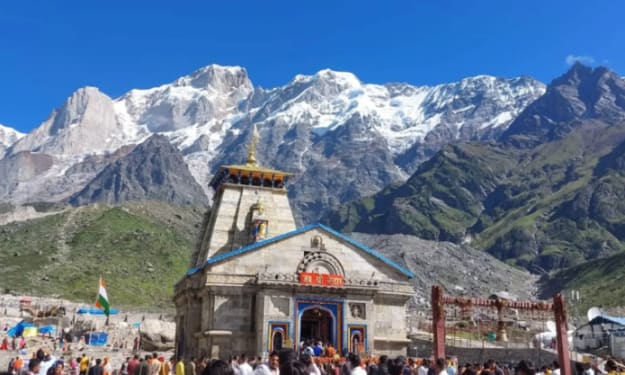
But don’t be fooled by the flowers—this trek packs a punch. It’s not just about pretty views and camera clicks. This is a monsoon trek with moderate difficulty, one that demands muscle, lungs, and heart. It’s got sweat-breaking climbs, stone-cut ascents, and the ultimate test—an early morning push from Ghangaria to Hemkund Sahib, where you rise through thinning air to 14,203 ft. The climb is brutal, but the reward? Pure magic. You’ll reach a serene glacial lake, with a misty Gurudwara on its edge and the sacred Brahma Kamal blooming nearby. That moment, standing above the clouds with your boots soaked and your spirit on fire—that’s why you came.
The Big Misconception: "Easy Himalayan Trek"
Here’s a dose of tough love: the internet has done a great job romanticizing the Valley of Flowers (VOF) trek. You’ve probably seen reels of people spinning in slow motion, arms outstretched in flower-drenched meadows. What you don’t see? The sweat, the sore knees, the thin air, the relentless climbs, and the unexpected monsoon downpours.
Yes, the Valley of Flowers trek is often labeled as moderate, and in some ways that’s true. It doesn’t require camping or high-level mountaineering skills. The trails are well-paved in many places—stone paths cut through forest and mountain alike, and infrastructure supports much of the route.
In fact, Valley of Flowers is one of the safest and beginner friendly treks in India. The trail is clear, defined, and frequently used. But easy doesn’t mean effortless. You’re still trekking 40 kilometers in six days, through steep gradients, shifting weather, and high altitudes. So if you're coming in cold, untrained, and idealistic, you're in for a harsh wake-up call.
Route Breakdown: Understanding the Terrain
The trek begins at Govindghat in Uttarakhand and progresses through Pulna, Ghangaria, and then splits into two key destinations: Valley of Flowers National Park and Hemkund Sahib. On paper, the total distance sounds manageable. But the devil’s in the details. Elevation gain, altitude sickness, rainfall, and physical fatigue can compound rapidly.
You ascend gradually from around 6,000 feet to over 14,200 feet at Hemkund Sahib. The trail is mostly paved and structured, especially until Ghangaria, but that doesn’t take away the difficulty of climbing thousands of feet over stone steps and uneven terrain.
The Valley of Flowers itself lies at around 12,000 feet. It’s a world heritage site filled with rare Himalayan flora that only blooms during the monsoon. But that beauty comes at a ost—slick paths, unpredictable weather, and tough climbs.
Here is the day by day itinerary to understand difficulties due to the altitude gain and distances
Day 1: Drive from Rishikesh to Joshimath
- Drive Distance: 246 km
- Drive Time: 7-8 hrs
- Altitude: 1,205 ft/367 m at Rishikesh to 6,214 ft/1,894 m at Joshimath
Day 2: Drive from Joshimath to Poolna via Govind Ghat and Trek to Ghangaria Village
- Trek Distance & Time: Joshimath to Govindghat (15.2 km, 33 min); Govindghat to Poolna (5 km)
- Trek Time & Time: Poolna to Ghangaria (9-10 km, 5-6 hrs)
- Altitude Gain: 6,214 ft/1,894 m at Joshimath to 10,167 ft/ 3,099 m at Ghangaria
Day 3: Trek from Ghangaria to the Valley of Flowers and back
- Trek Distance: 8 km, 7 hrs
- Altitude Gain: 10,167 ft/ 3,099 m at Ghangaria to 10,498 ft/3,200 m at Valley of Flowers
Day 4: Trek from Ghangaria to Hemkund Sahib and back
- Total Trek distance & Time: 12 km; 7-8 hrs
- Altitude Gain: 10,167 ft/ 3,099 m at Ghangaria to 14,203 ft/ 4,329 m at Hemkund Sahib
- Altitude Gain: 1,876 ft
Day 5: Trek from Ghangaria to Govind Ghat and drive to Joshimath
- Total Trek Distance: 9 km; 4-5 hrs
Day 6: Drive from Joshimath to Rishikesh
Where It Gets Real: The Climb to Hemkund Sahib
Day Four is the trial by fire. From Ghangaria, you begin a punishing ascent to Hemkund Sahib—a glacial lake perched at 14,203 feet, sacred to Sikhs. It’s one of the highest gurudwaras in the world. The climb is steep, the switchbacks are relentless, and the altitude hits hard.
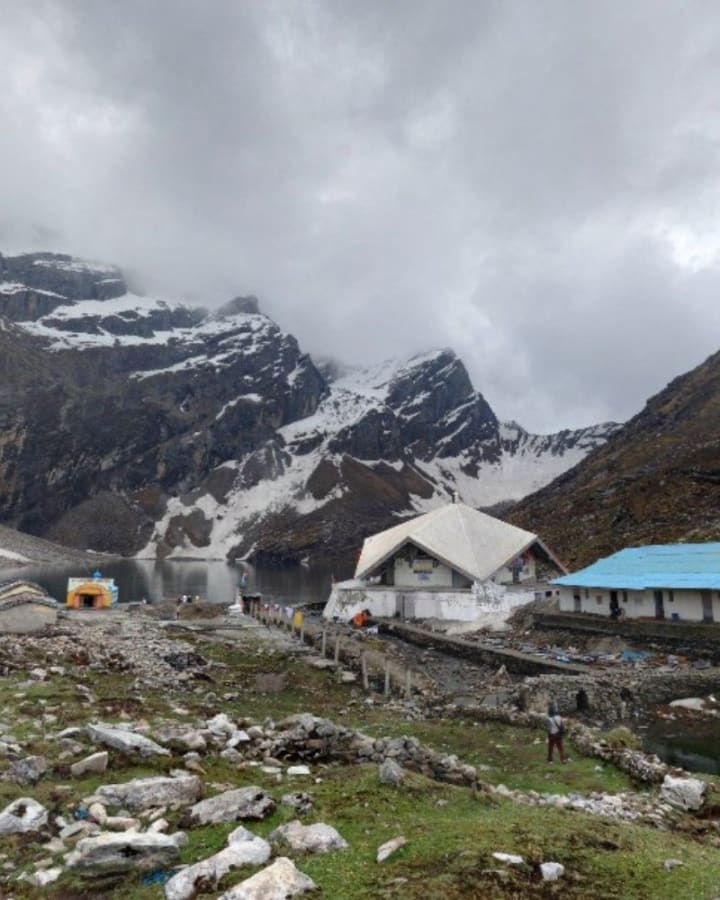
You gain 4,500 feet in just one day. That’s no small feat. Think of it like hiking up two Burj Khalifas back to back, with less oxygen and more rain. But the views? Absolutely jaw-dropping. As you go higher, Ghangaria fades into the mist below and the Valley stretches like a painted canvas behind you.
The cultural essence here is powerful. Hundreds of pilgrims, many older and less equipped, make this climb daily out of devotion. The atmosphere is humbling. And when you finally reach the lake, the silence, the devotion, and the serenity make every aching step worth it.
Why Fitness Isn’t Optional
Although this trek is technically not challenging in a mountaineering sense, preparation is non-negotiable. If you’re physically unfit or mentally unprepared, this trek will chew you up and spit you out. Period.
With good fitness, you’ll move efficiently, reduce injury risk, and enjoy the beauty rather than suffer through it. Inadequate prep can ruin your experience and increase your chances of AMS (Acute Mountain Sickness), especially during the Hemkund climb.
You need to train your body to handle multiple hours of uphill walking, sometimes in rain, while carrying a backpack. If you can’t walk briskly for 6-8 kilometers or climb 10 floors without gasping, you’re not ready yet.
How to Train: From Couch to Trail
If you’re starting from scratch, give yourself at least 4 to 6 weeks of consistent training. Start with 30-45 minutes of cardio daily—brisk walking, jogging, or cycling. Include stair climbing, preferably with a loaded backpack to simulate trekking conditions.
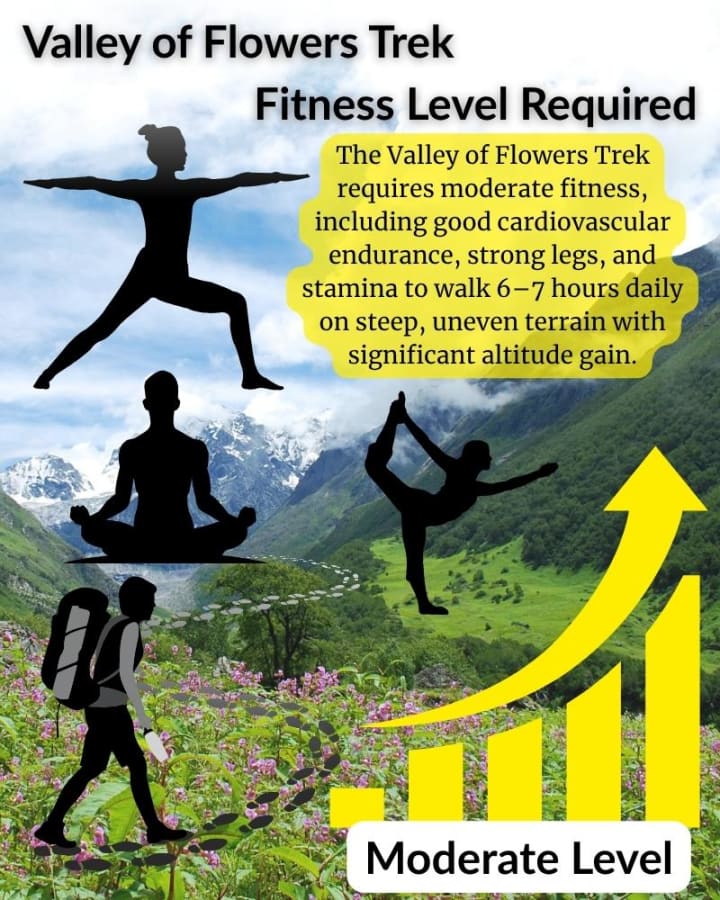
Strength training should focus on:
- Legs: Squats, lunges, step-ups.
- Core: Planks, bridges, side planks.
- Stability: Yoga or balance drills.
Also, practice breath control. High altitudes mean less oxygen, so learn to breathe deeply and slowly. Pranayama, nasal breathing during jogging, or box breathing techniques are great tools.
Mental Grit: The Hidden Battle
No one prepares you for the mental rollercoaster. There will be moments when your mind yells, "Just quit." Your knees might hurt. Rain might soak your only dry clothes. The trail might seem endless.
This is where your mindset saves you. Trekking is often more mental than physical. Break down the journey into small wins. Don’t think about the summit. Just think about the next five steps.
Tell yourself, "I’ve trained. I’m prepared. I can do this." Because you can.
What About the Monsoon?
This trek runs during July to early September—peak monsoon. That’s when the flowers bloom in full technicolor. But yes, it also means you’ll be wet, muddy, and slipping around at times.
Is it safe? Surprisingly, yes. As trek leader Gourab Nandy points out, landslides are more common in manmade environments—concrete roads, construction areas. Natural trails surrounded by thick forest and root systems are relatively stable. The monsoon is actually what brings this valley to life.
Cultural Touchpoints and Local Interactions
This trek is more than just scenery. As you pass through Pulna and Ghangaria, you’ll interact with locals, porters, pilgrims, and fellow trekkers from across the world. This shared human experience—everyone chasing the same view, the same silence—is what makes treks unforgettable.
Hemkund Sahib isn’t just a high-altitude lake. It’s a spiritual powerhouse. The energy is palpable. Volunteers serve piping hot tea and khichdi. Pilgrims chant softly. You sit down, cold, soaked, and tired—but something in that air rejuvenates you.
Gear Checklist: No Room for Rookies
Being unprepared in the Himalayas is asking for trouble. Your gear is your lifeline.
- Shoes: High-ankle trekking shoes with good grip (preferably waterproof).
- Clothes: Layered quick-dry clothes. Avoid cotton. Use thermal base layers.
- Rain protection: Waterproof poncho or jacket, rain cover for backpack.
- Backpack: 40–50L with padded straps. Should sit snug against your back.
- Other essentials: Trekking poles, wool/synthetic socks, first-aid kit, energy snacks, headlamp, power bank, sunscreen, and sunglasses.
Final Word: Should Beginners Attempt It?
Without question—yes. If you train. If you prepare. If you respect the mountains.
Valley of Flowers is one of India’s most beginner-friendly high-altitude treks if you approach it with seriousness. You don’t need to be an elite athlete. You don’t need to summit Everest. But you do need the mindset of someone who doesn’t want to waste the opportunity.
Train for it. Earn it. And when you finally walk into that surreal meadow where clouds kiss flowers and snow peaks loom like silent guardians, you’ll understand what all the effort was for.
The Takeaway from the Difficulty: Earn Every Step from Valley of Flowers trek
This trek is an invitation. Not just to see beauty, but to push past your own limits. To test your body, train your mind, and connect with something ancient and alive.
So if you’re dreaming of wildflowers, glaciers, sacred lakes, and paths wrapped in clouds—don’t just dream. Prepare. Commit. Train.
Because the Valley of Flowers isn’t a tourist spot. It’s a rite of passage in the Garhwal Himalayas of Uttarakhand, specially when it comes to tackle the difficulty level of the trek and go bayond that.
About the Creator
Mountains Curve
I’m a passionate traveler with an insatiable curiosity for exploring new corners of the world. Beyond my love for adventure, I find joy in DIY crafts, cooking, planting, spending time in forests, and diving into anything new to learn.
Keep reading
More stories from Mountains Curve and writers in Lifehack and other communities.
Best Spiritual Treks in Uttarakhand
Spiritual Treks in Uttarakhand: The Ultimate Guide to the Region’s Breathtaking Routes Literally translated as “The Land of the Gods,” or “Dev Bhumi,” Uttarakhand has hit the geographic jackpot when it comes to religious and scenic significance. Exploring the picturesque scenery of Uttarakhand is not only an opportunity to involve in hard trekking but get spiritual revelation. The next is the list of the most popular spiritual hikes that are still adored by many tourists and pilgrims all around the world.
By Mountains Curve7 months ago in Lifehack
The Nutrient Gap No One Talks About When It Comes to Focus and Attention
Key Takeaways Taking the proper nutrients helps maintain optimal body function. The vagus nerve is a vital component in the connection between the brain and the gut. The right supplements, such as Neupril Pure Methylfolate, play a key role in helping clear brain fog.
By Tess DiNapoli3 days ago in Lifehack



Comments
There are no comments for this story
Be the first to respond and start the conversation.