
Different Variety of Slate
Different colours of Slate
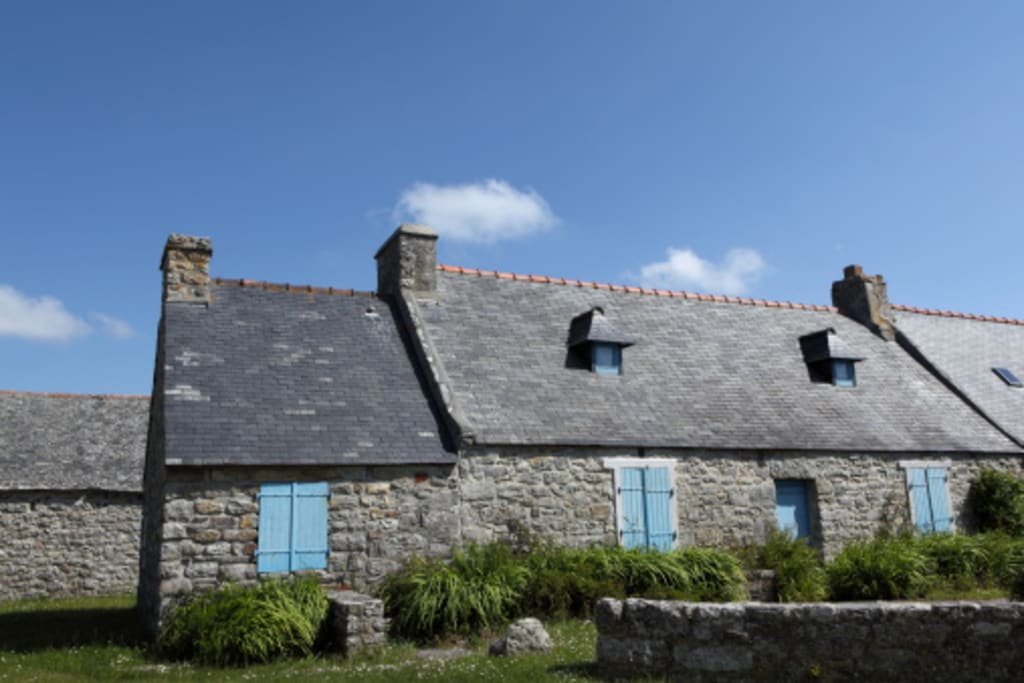
Natural roofing slate is a microcrystalline, fine-grained metamorphic rock that developed 400 million to 2.5 billion years ago. Slate gets its colour from the geological and chemical makeup of the area. Crystalline, black mica, chalcopyrite, white mica, hematite, and carbonates are the most common minerals. Green slates are made from chlorite. Green slate hails from Vermont, New York, and Newfoundland in North America. According to the quarries and locale, the tints of green will differ. As the manufacturer encounters different colour strata in the quarry, the colour/shade may also shift. The unfading green slates of Vermont and New York vary from lime green to dark grey tones. The slates in Newfoundland range in colour from blue/green to gray/green to olive to light grey.
There are many different types of slate with varying colours, including:
*Grey
*Purple
*Black
*Blue
*Green
*Heather
*Red
The slate composition and the region where the slate is found have resulted in these different naturally occurring colours.
What Gives Slate Its Color?
A slate is a rock that comes in a variety of colours. Due to the distinct lines of breakability - cleavage and grain – slate may be divided into thin sheets, making it excellent for making roofing slates. Natural slate is a perfectly alright rock type made up of sediment or volcanic ash deposition that has been physical and chemical altered by metamorphism.
Green Slate
Slate's colour is determined by the minerals that make it up. Chlorite, a group of ubiquitous sheet silicate minerals that develop during the early phases of metamorphism, causes slates to appear green. They commonly occur in rock contexts where heat, pressure, and chemical activity affect minerals. Slate takes on a green hue when chlorite is present in high enough concentrations.
Unfading Vermont Structural Green slate was utilized on the roof in the 1890s, and the slate is still on the top today, protecting the building from the weather. It has also been authorized on particular English Heritage projects, Crown Estates, and some National Parks in recent years.
These Lakeland Green Decorative slate chippings are suitable for various household and commercial landscaping projects. This slate is a gorgeous pale green with grey tones that runs through it, quarried in the heart of the Lake District. It makes the perfect backdrop for plant or garden features.
Blue Slate
Blue slate is an aquatic sedimentary rock frequently crossed with grey to produce a blue-grey tone. Calcium carbonate is the most common mineral found in it.
A small quarry in North West Spain produces the Levendale Blue Black slate. With its beautiful surface grain texture and magnificent blue/black colour, this slate lends a superb impression to finished roofs.
These Lakeland Blue Grey Slate Aggregates are quarried on the Lake District's outskirts and are ideal for household and commercial landscaping projects. These large aggregates give a lot of texture to any space and go well with any water-based endeavour. They cover a lot of territories and stand out when used in and around planting designs.
Purple Slate
Haematite causes purple slate, which has a lovely colour. Slates created from deposits set down in oxidizing conditions include haematite, an iron oxide. It is the most resistant type of iron and is unaffected by environmental factors. Haematite is a purple-coloured mineral that is not visible to the human eye.
The colour of this Welsh Plum Slate Aggregate is gorgeous, and it's ideal for domestic landscaping. It comes from Penrhyn Quarry in North Wales, and its purple heather colour with blue and green tones flows through it. It creates a beautiful, understated backdrop for plants or garden elements.
In the slate industry, the Welsh Heather Blue slate is quite rare. Since early Roman times, this heather slate has been produced by many generations of people from many walks of life in Bethesda in North Wales. This slate comes in various sizes and thicknesses, with specifications that can be adjusted to the project's aesthetic requirements.
Westmorland Green Slate
Westmorland slate is a rock slate that is a hundred years older than humanity and has been mined for over 400 years to build beautiful and weather-resistant roof coverings.
Westmorland Green Slate is a stunning finish for any home, new or renovated. It screams permanence, attention, and quality and is distinctively British. The ideal medium for creating distinctive roofscapes that are both fascinating and spectacular. The characteristic green colour comes from the mutated volcanic ash of the Borrowdale Volcanic range of peaks at the Lake District's core. These deposits include chlorides, which give them a lovely green hue.
Unfading Red
When exposed to the environment, this brilliant red slate will maintain its original colour. It's a medium-textured slate that's only made in small quantities.
Kentdale Blue Grey
Kentdale Blue Grey is a lovely mid-blue grey slate with a real, non-shiny "natural slate" texture evocative of our native slates. For almost 40 years, this quarry has been extracting and exporting slates worldwide. The reserves on which the quarry operates are recognized as some of the region's most influential and challenging. Each year, the company produces more than 3.7 million mtr2 of slate roofing.
Since it was put down in the Ordovician Period over 400 million years ago, the natural slate has undergone the metamorphic process of chemical and physical changes inside its structure due to the heat and pressure to it has been exposed. This provides the finished roofing slate with the strength and durability required to protect us from the elements. It also gives the slates their distinctive tough texture and allows the slating contractor to work with them traditionally. The slate's quality has been acknowledged by several local and special planning authorities around the world, who have approved it as a high-quality, cost-effective alternative to conventionally used slates that do not compromise the project's overall aesthetics.
Conclusion
Slate can be used to cover the floors of porches, basements, baths, and kitchens. Slate is also utilized for cladding and flooring both outside and inside. The finishes, patterns, forms, and colours of some slates used for indoor flooring are diverse. They are long-lasting, elegant-looking, and low-maintenance.
Slate rocks are frequently used in landscaping because of their resistance to weather and pollutants. Slate is a significant material or a decorative stone in paving, swimming pools, patios, and even contemporary fountains.
About the Creator
Keep reading
More stories from Connie T. Causey and writers in Lifehack and other communities.
Electrical Repairs and Services You May Not Be Aware Of
A home's electrical system, apart from a hole in the sheetrock or a squeaky door hinge, should not be tampered with without a skilled electrician. Electrical systems are not always unpredictable but also dangerous, posing the risk of fire hazards and electrocution to novice tinkerers.
By Connie T. Causey4 years ago in Lifehack
When the Grid Goes Down: Does Your Family Tracker Work in a Power or Network Outage?
The harsh truth is that most family tracking apps have a critical, often unspoken, vulnerability: they depend on the very infrastructure that disasters disrupt. This isn't a minor bug; it's a fundamental design challenge. Let's demystify what happens to these services during an outage and, more importantly, how you can build a smarter, more resilient safety plan that doesn't vanish when you need it most.
By Olivia Martinezabout 5 hours ago in Lifehack


Comments
There are no comments for this story
Be the first to respond and start the conversation.