
Diet Plan for Weight Gain
Weight gain for youngsters

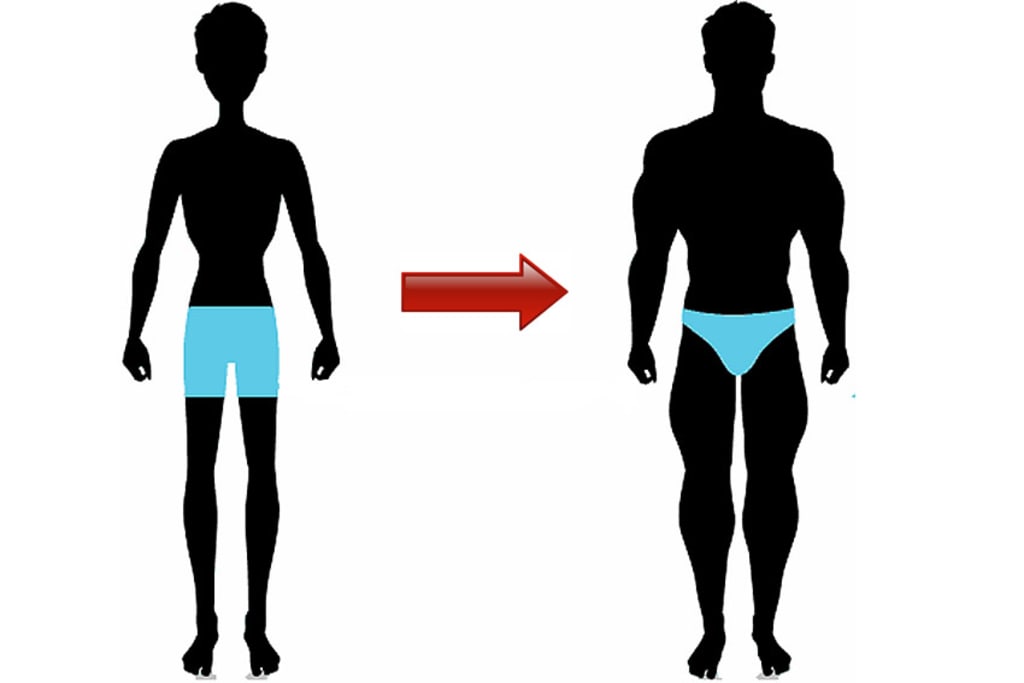
To create a diet plan for weight gain, it's important to focus on consuming a surplus of calories while ensuring a balanced intake of macronutrients. Here's a sample diet plan for weight gain based on your provided information:
1st Meal Plan:
Breakfast:
• 2 boiled eggs
• 2 slices of whole-grain bread with peanut butter
• 1 cup of Greek yogurt with fruits
Snack:
• 1 small handful of nuts (almonds, walnuts, or cashews)
• 1 banana
Lunch:
• Grilled chicken breast
• 1 cup of brown rice
• Mixed vegetables (broccoli, carrots, and bell peppers)
• Salad with olive oil dressing
Snack:
• Protein shake with whole milk, banana, and peanut butter
Dinner:
• Baked salmon or lean steak
• 1 medium-sized baked potato with sour cream
• Steamed vegetables (green beans, asparagus, or Brussels sprouts)
• Spinach salad with avocado and olive oil dressing
Snack:
• 1 cup of cottage cheese with sliced fruits
• 2-3 whole grain crackers
Before Bed:
• 1 glass of whole milk
• 1 tablespoon of almond butter
5. Hydration: Stay hydrated by drinking plenty of water throughout the day. Aim for at least 8-10 cups of water daily.
6. Monitor Progress: Regularly track your weight to assess your progress. Adjust your caloric intake as needed to ensure a steady weight gain of 0.5-1 pound per week.
Remember, it's always best to consult with a registered dietitian or a healthcare professional who can tailor a diet plan specifically to your needs and goals.
Moreover, here we have a 2nd option for alternation;
Focusable
Macronutrient Distribution: To ensure a balanced diet, aim for the following macronutrient distribution:
• Carbohydrates: 45-55% of total calories
• Protein: 15-20% of total calories
• Fats: 25-30% of total calories
2nd Meal Plan:
Here's a sample meal plan that provides approximately 2,051 calories:
Meal 1:
• 2 whole eggs scrambled
• 2 slices of whole-grain toast with peanut butter
• 1 small banana
• 1 cup of whole milk
Meal 2:
• 1 cup of Greek yogurt with mixed berries and a drizzle of honey
• 1 ounce of almonds or walnuts
Meal 3:
• Grilled chicken breast or tofu
• 1 cup of cooked brown rice or quinoa
• A generous serving of mixed vegetables (broccoli, carrots, bell peppers, etc.)
• 1 tablespoon of olive oil for cooking
Meal 4 (Snack):
• 1 apple
• 2 tablespoons of almond butter
Meal 5:
• 1 serving of salmon or lean beef steak
• 1 medium sweet potato
• Steamed asparagus or green beans
• 1 tablespoon of olive oil for cooking
Meal 6 (Before Bed):
• 1 cup of cottage cheese with sliced fruits
• 1 tablespoon of honey or a handful of granola for added sweetness
4. Hydration: Stay hydrated throughout the day by drinking water or low-calorie beverages. Aim for at least 8 glasses of water per day.
Remember, this is just a sample diet plan, and it's essential to listen to your body's cues and make adjustments as needed. Consulting with a registered dietitian or a healthcare professional can also provide personalized guidance based on your specific needs and goals.
• Sedentary (little to no exercise): BMR × 1.2
• Lightly active (light exercise/sports 1-3 days/week): BMR × 1.375
• Moderately active (moderate exercise/sports 3-5 days/week): BMR × 1.55
• Very active (hard exercise/sports 6-7 days/week): BMR × 1.725
• Super active (very hard exercise/sports & physical job or 2x training): BMR × 1.9
Once you have your BMR value, multiply it by the appropriate activity level multiplier to estimate your daily caloric needs.
The Best Hack for Weight Gain
Increase Caloric Intake: To gain weight, you'll need to consume more calories than your body burns. Aim to consume 300-500 calories above your daily caloric needs to promote healthy weight gain. Distribute these additional calories across meals and snacks throughout the day.
About the Creator
Dr. Rabia Syeda
"Beyond Words: A Healthcare Writer's Profile"
Keep reading
More stories from Dr. Rabia Syeda and writers in Lifehack and other communities.
How I can Make 10,000$ Using Canva?
Generating $10,000 using Canva, an online graphic design tool, is possible but requires effort, creativity, and strategic planning. Here are some potential ways to use Canva to earn income and you will be more skillful and professional on Canva by using them:
By Dr. Rabia Syeda2 years ago in Lifehack
Top Things to Do in North Potomac for Families
Known for its quiet neighborhoods and welcoming atmosphere, North Potomac appeals to families who value space, safety, and a strong sense of community. Whether you are new to the area or have lived here for years, there are plenty of activities that families can enjoy together.
By House Doctor3 days ago in Lifehack



Comments
There are no comments for this story
Be the first to respond and start the conversation.