
Designing the perfect living room
Interior design and home decor
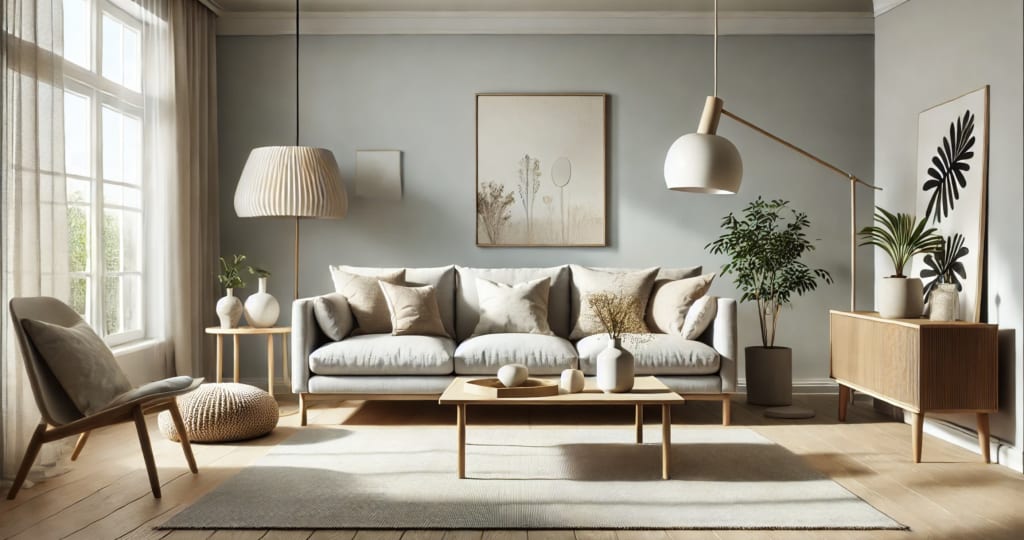
The living room often becomes the true heart of the home—a spot where we unwind, gather with friends and family, and enjoy everyday moments. Whether you’re drawn to modern simplicity, cozy textures, or a mix of styles, creating the ideal living room is about balancing style with comfort. A thoughtfully designed living room can bring a fresh dimension to your daily life and make your home feel unmistakably yours. Let’s take a quick look at some practical insights and creative ideas to shape a living room that’s both inviting and uniquely personal.
1. Start with a Clear Vision and Purpose
Every well-designed space starts with understanding how you want to use it. Is your goal to create a cozy space for relaxing evenings, or do you need a versatile room that can host guests and handle movie nights? Knowing what matters most will guide everything from your layout to the final decorative touches. A clear vision ensures your living room looks beautiful and works perfectly for you.
Set the Style and Mood
Think about the feel you want to create. If you’re after calm and understated, a minimalist look with neutral tones might suit you best. For a more vibrant and eclectic vibe, lean into rich colors and a mix of textures. Explore design resources like interior blogs, social media, or nature itself to get inspired and clarify your style preferences. With a clear sense of the mood and look you want, each choice becomes a building block toward a cohesive, finished space. Maybe you got a big wooden plank table in your living that doesn't fit. Do you replace it or do you try to style the rest of the room to enhance and embrace the wooden table? There are many options to consider.
2. Create a Layout That Flows and Feels Natural
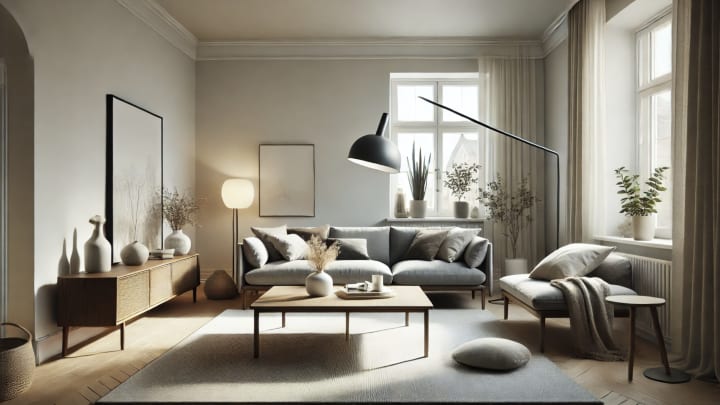
A well-designed layout is one of the most important aspects of a living room. Start by considering the main purpose of the room and any limitations of the space itself. Picture where furniture would feel naturally comfortable, making it easy to move around without cluttering pathways. If you often have guests, maybe a few smaller seating options around a central coffee table would suit better than a bulky sectional. For a more private, cozy vibe, larger sofas or deep armchairs can make the room feel like a personal retreat. You may want to transform your living room, with new pieces of furniture or just to add more plants, arts and accessories to the existing one. A new sofa, a large wooden plank table, or a new cabinet can make a huge difference in the living room. But it's always a good idea to create a layout and plan the room before you start adding new furniture.
Find the Room's Focal Point
Every room benefits from a central element that draws the eye, whether it’s a fireplace, a big window with a view, or a stylish piece of artwork. Decide on your focal point early on, and arrange the rest of the room around it. If you don’t have a built-in feature, you can create one with a large, statement mirror, a bold area rug, or an interesting lighting fixture that adds personality to the space.
3. Choose Colors and Textures that Reflect Your Personality
The colors and textures you pick for your living room play a big role in setting the mood. Neutrals like soft greys, warm beiges, or subtle whites create a calm, inviting environment. If you want something livelier, look at bolder colors, like rich blues, deep greens, or earthy rust tones that can energize the space. Mixing textures, like a soft throw over a leather sofa or a woven rug on hardwood, can also add warmth and interest.
Think About Balance and Contrast
To avoid a room feeling flat or overly busy, balance strong colors or textures with lighter elements. If you have a dark, moody wall color, brighten things up with light-colored furniture or metallic accents. Play with contrast to give the room dimension—combine sleek surfaces with softer, cozier ones to create a layered look that feels inviting and well-rounded.
4. Pick Furniture That’s Both Functional and Stylish
Furniture in a living room should be as practical as it is visually appealing. Start by choosing pieces that work for your everyday needs. For example, if you like entertaining, a spacious sectional or a few versatile armchairs might be the best fit. If storage is an issue, look for stylish storage solutions, like an elegant cabinet, a coffee table with hidden compartments, or built-in shelving.
Embrace Pieces with Personal Meaning
One way to make the room feel unique is by incorporating furniture or decor that holds sentimental value. Whether it’s a vintage chair you inherited, a coffee table you found on a memorable trip, or even a family heirloom, adding these kinds of items can help make the room feel one-of-a-kind.
5. Use Lighting to Set the Right Mood
Lighting can transform a room, so it’s worth paying attention to how you light your living space. Layering different types of lighting—ambient, task, and accent—helps create a versatile setup that adapts to various needs. Overhead lights are useful for general brightness, while floor or table lamps can add warmth and make certain spots feel more inviting. If you have an art piece or feature wall, consider adding a spotlight to showcase it.
Add Dimmers for Flexibility
Dimmable lights are a simple yet effective way to control the room’s atmosphere. They allow you to adjust the brightness depending on the time of day or your mood, making it easy to shift from bright and lively to soft and relaxed. It’s a small feature that can make a big difference in setting the tone for your space.
6. Add Personal Touches with Decor and Art
Decor and art are what truly bring personality into your living room. Look for pieces that resonate with you—whether that’s a set of photographs, abstract artwork, or quirky sculptures. Don’t be afraid to mix different styles, shapes, or colors; these details are what make a space feel individual and lived-in.
Don’t Overdo It
While personal touches are important, it’s best to keep things balanced. Try not to overcrowd surfaces or walls. Instead, choose a few key pieces and let them shine. Sometimes, less is more, and leaving some open space allows your favorite items to stand out.
7. Bring in Nature for a Breath of Fresh Air
Plants can add a sense of life and freshness to any living room. Whether it’s a tall indoor tree in the corner or a few smaller plants on shelves, greenery helps soften the space and create a relaxed feel. If you don’t have a green thumb, look for easy-care plants like snake plants, pothos, or succulents. They add just as much life without needing too much attention.
Connect the Indoors with the Outdoors
If you have windows with a view, let that outdoor scene become part of your living room’s design. Arrange seating to take advantage of natural light and make the most of the scenery outside. Adding sheer curtains or blinds instead of heavy drapes can help bring in more light and create an airy, open feel.
8. Prioritize Comfort Above All Else
No matter what style choices you make, the most important thing is that your living room feels comfortable and inviting. It’s the place where you’ll unwind, spend time with loved ones, and relax, so prioritize elements that support that atmosphere. Plush cushions, soft throws, and ergonomic seating can all make the space feel more welcoming.
Make It a Space You Love
At the end of the day, the “perfect” living room is one that feels like you. Don’t worry too much about trends or matching every single piece. Instead, choose items that make you happy and create a space that you’ll enjoy for years to come. Spending that extra time to make the room perfect, is certainly time well spend.
About the Creator
Michael Nielsen
Working with interior design and home decoration. Enjoy blogging and having a good time with friends and family. Got two cats and a mountain bike I don't quite use enough.
Keep reading
More stories from Michael Nielsen and writers in Lifehack and other communities.
Wooden plank tables
Wooden plank tables have gained remarkable popularity in modern homes, serving as striking centerpieces that merge rustic character with contemporary functionality. These substantial pieces create compelling focal points while maintaining the clean, uncluttered appearance that defines today's living spaces.
By Michael Nielsen8 months ago in Lifehack
10 Simple Habits for Strong Teeth and Healthy Gums
Maintaining good oral health is essential not only for a bright smile but also for overall well-being. Your mouth is the gateway to your body, and poor oral hygiene can lead to various health problems such as gum disease, tooth decay, and even infections that may affect other parts of the body. Fortunately, taking care of your teeth and gums does not require complicated routines. With a few simple daily habits, you can keep your mouth healthy for years.
By Nenci Gajera 5 days ago in Lifehack
How AI-Native Browsers are Redefining Digital Freedom and Productivity in 2026
The Evolution of the Modern Browser By 2026, the concept of a web browser has expanded far beyond its original purpose of simply loading web pages. Over the past decade, the internet has evolved into a highly dynamic environment where users manage businesses, automate workflows, and interact with complex digital ecosystems directly from their browsers.
By Shahid Sipra2 days ago in Lifehack



Comments