
Designing LED Sheets for Backlighting Architectural Elements
Creating LED Sheets for Illuminating Architectural Elements from Behind
LED Sheets: Applications and Insights for Designers and Lighting Professionals
A frequent question I receive is: “What exactly are LED sheets, and how are they utilized?” If you’re unfamiliar with LED sheets, here’s a brief overview before exploring their uses, especially in backlighting architectural and commercial elements.
What Are LED Sheets?
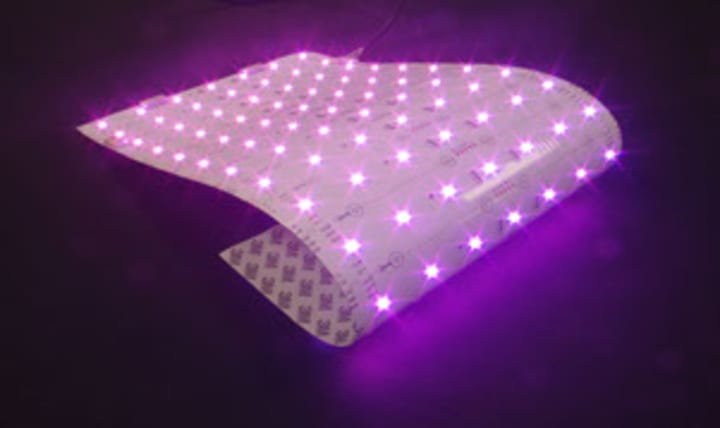
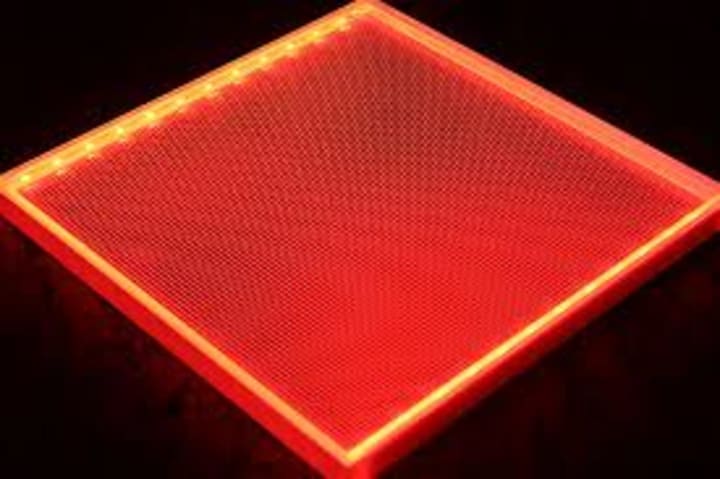
LED sheets are thin, highly flexible panels embedded with LEDs that can be cut, bent, folded, or wrapped to fit nearly any shape or surface. This remarkable adaptability makes them perfect for applications such as:
-Signage and branding
-Architectural and retail feature lighting
-Automotive and display lighting
-Backlighting for panels, lightboxes, or translucent surfaces
With their double-sided adhesive backing, LED sheets offer simple and hassle-free installation. For more durable setups, they can be secured with screws or fasteners. Additionally, linking multiple sheets is easy, enabling seamless scaling and the creation of expansive illuminated surfaces.
Types of LED Sheets
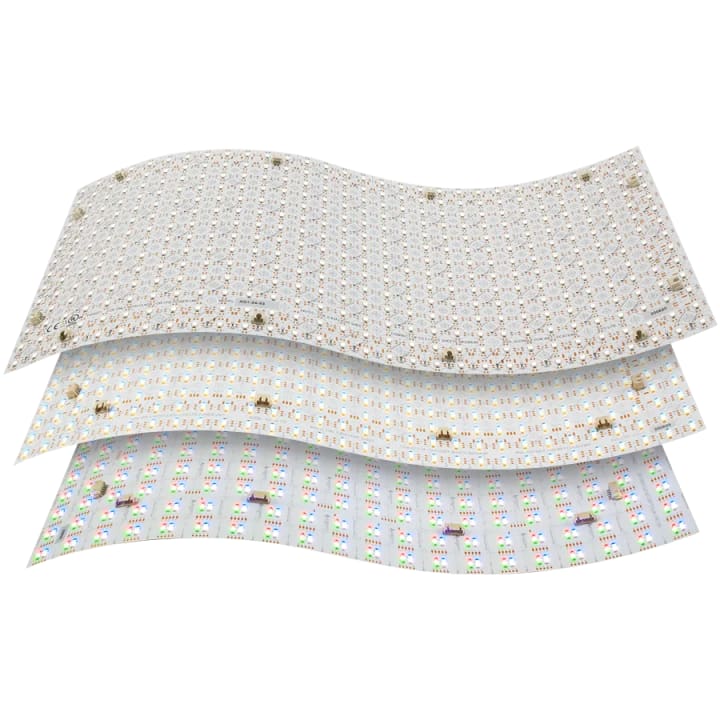
Familiarity with the various types of LED sheets is essential for selecting the most suitable option for your project.
Single Colour LED Sheet
This is the most common and fundamental type, offering monochromatic lighting in a range of color temperatures including 2700K (warm), 3000K, 4000K (neutral), and 6000K (cool white). They are ideal for providing uniform and ambient backlighting.
Tunable White LED Sheet
These LED sheets feature adjustable color temperature (CCT), enabling you to shift from a warm 2700K to a bright 6000K to suit different moods or tasks. Cooler, brighter tones are ideal for work areas, while warmer lighting creates a more relaxing atmosphere.
RGBW LED Sheet
These LED sheets integrate full-spectrum RGB color control with a separate white LED, delivering richer and more accurate whites alongside vibrant color options. This makes them perfect for applications such as bars, stages, nightclubs, and event setups.
Addressable LED Sheet
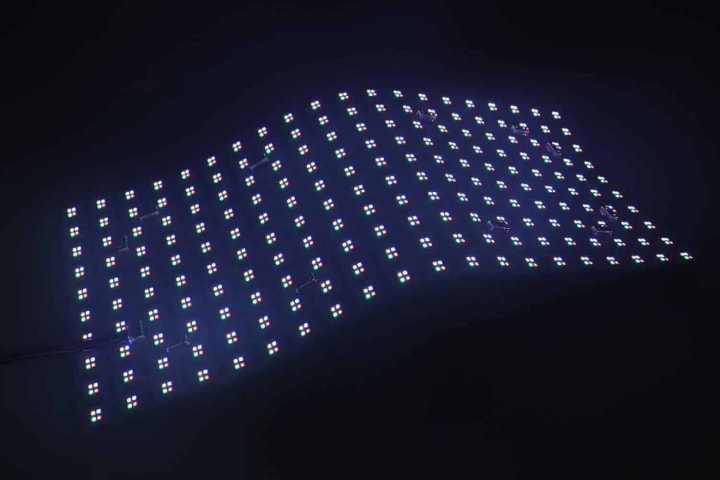
The most sophisticated choice features programmable pixel control, enabling dynamic effects like flowing patterns, gradients, and reactive lighting. Many models also respond to sound, making them ideal for immersive and interactive installations.
Why Backlighting Is the Sweet Spot
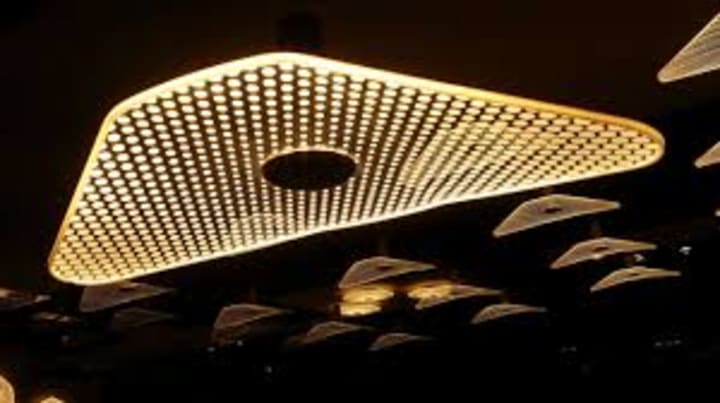
Although LED sheets have diverse applications, this article concentrates on their use in backlighting for architectural and commercial design, where their brilliance and creative potential are most evident.
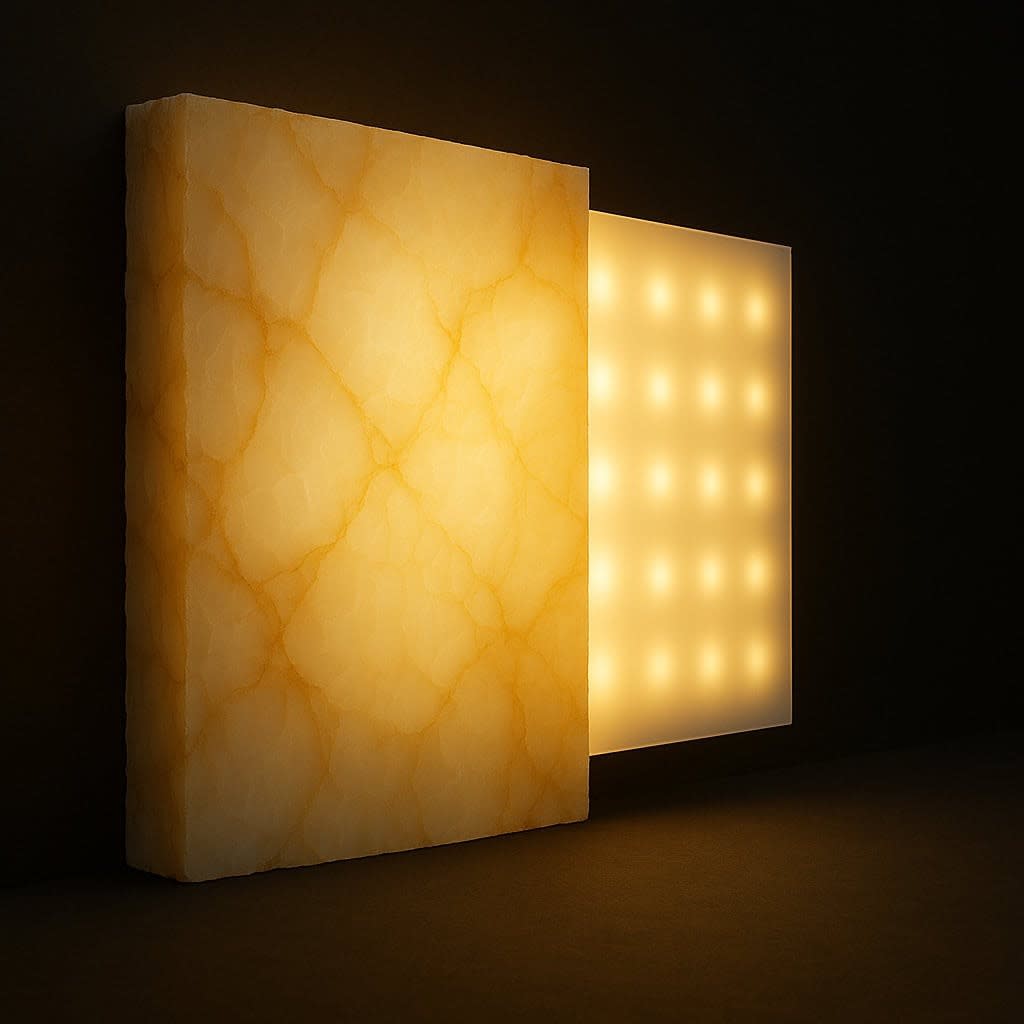
Backlighting options are virtually limitless with materials like acrylic, onyx, resin panels, fabric, and decorative glass. Whether lighting a branded feature wall, a detailed retail display, or an impressive hotel lobby, LED sheets deliver consistent, scalable, and energy-efficient illumination.
Where to Begin: Picking the Right LED Sheet
Choosing the right LED sheet is just the beginning. You’ll also need to consider:
-LED drivers and power requirements
-Dimming compatibility for mood or task lighting
-Wiring layout for safe and seamless installation
-Assembly and mounting based on the surface or material being backlit
While these factors might appear straightforward, they are crucial for success. We will examine each of them in greater detail shortly.
Lighting as a Feature: A Symbiotic Relationship
In lighting design, a “feature” encompasses more than mere illumination. It represents a harmonious interaction between light and the material it accentuates. Light shapes texture, unveils color, sets mood, and turns static surfaces into dynamic design elements. Understanding this interplay involves considering all contributing factors. To begin, let’s explore some material options—while not exhaustive, these examples provide a solid foundation. Below are tables showcasing potential materials in stone, glass, and plastics.
About the Creator
Keep reading
More stories from china inspection service and writers in Lifehack and other communities.
Space Capsule House Pros and Cons: Expert Tested and Reviewed 2025
The Real Pros and Cons of Capsule Houses: Are They Worth It? Capsule homes, taking inspiration from space capsule pods, are leading the modern housing revolution. With their sleek, futuristic designs, these micro and modular homes blend style with avant garde living. They promote minimalism with their compact and efficient design, while incorporating eco-friendly features and smart home technologies.
By china inspection service12 months ago in Lifehack
A Parent’s Guide to Fun Kids Birthday Parties in Philadelphia
Planning a birthday party for your child is always exciting, but it can also feel overwhelming for many parents. Every parent wants to create a memorable celebration that is fun, safe, and enjoyable for both children and guests. From choosing the right theme to organizing activities and food, there are several details to consider when preparing for a birthday celebration.
By Sophie Blogsa day ago in Lifehack
The Day Everything Changed
Most days in life pass quietly, almost unnoticed. People wake up, follow their routines, go to work or school, meet friends, and return home. Nothing unusual happens, and by the next week many of those days are forgotten. But sometimes, without warning, one single day appears that changes everything. It becomes a dividing line in life — the moment when the past and the future suddenly look different.
By Irshad Abbasi a day ago in Lifehack


Comments
There are no comments for this story
Be the first to respond and start the conversation.