
Damaged Skin? See How Exosomes Repair What Nothing Else Could
Nature's Microscopic Healers: Unlocking Skin Renewal Beyond Traditional Treatments
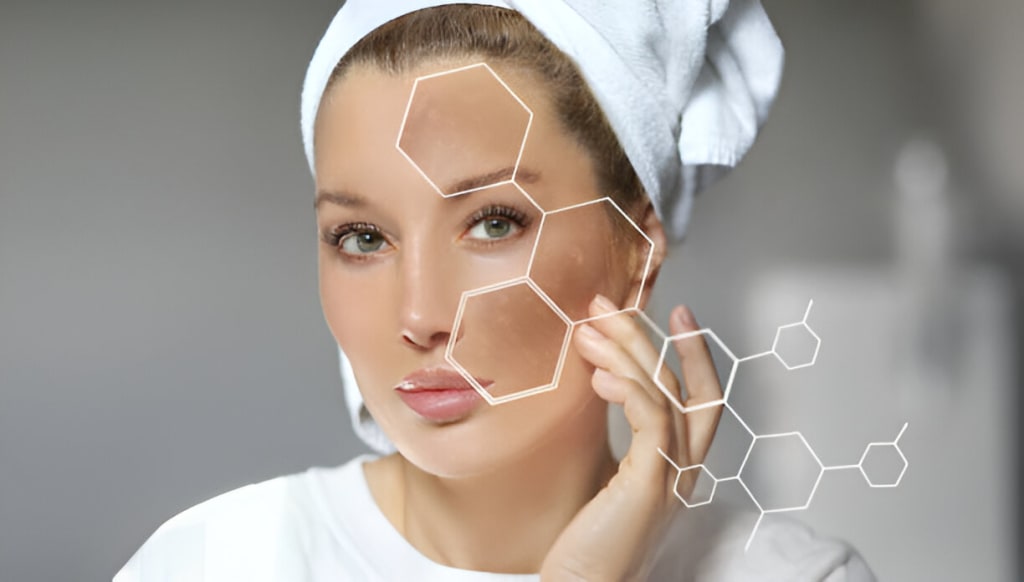
Have you ever wondered why some skin damage just won't heal, no matter what creams or treatments you try? The answer might be smaller than you can see. Let's talk about exosomes – tiny healing messengers that are changing how we think about skin repair.
What Are Exosomes, Anyway?
Exosomes are like tiny bubbles that cells release to talk to each other. Think of them as text messages your cells send to coordinate healing. These bubbles are super small – you'd need to line up about 1,000 of them to match the width of a human hair!
"But what do they actually do?" you might ask.
These microscopic messengers carry important instructions from one cell to another. When your skin gets damaged – whether from the sun, aging, or injuries – exosomes help organize the repair work.
Why Your Skin Sometimes Struggles to Heal
Your skin is tough. It deals with a lot every day:
- Harsh sun rays
- Pollution in the air
- Cuts and scrapes
- Natural aging
- Stress effects
Sometimes, your skin's natural healing system gets overwhelmed or confused. It's like when too many people try to talk at once, and nobody knows what to do. When this happens, your skin can't repair itself properly.
The result? Stubborn problems like:
- Scars that won't fade
- Wrinkles that deepen
- Sun damage that persists
- Redness that won't go away
- Slow-healing wounds
The Exosome Difference
What makes exosomes special is their ability to restart and redirect your skin's natural healing process. Unlike traditional treatments that only work on the surface, exosomes dive deep into your skin where the real repair needs to happen.
Most skin creams just sit on top of your skin. Even the good ones that sink in a bit can't deliver instructions to your cells. But exosomes? They're literally made to communicate with cells. They carry specific proteins, lipids, and genetic material that tell your skin cells exactly what to do to heal.
Exosomes don't just treat symptoms – they help solve the underlying problems.
Real Science, Not Just Marketing Hype
You might be thinking, "This sounds too good to be true." But there's solid science behind exosome therapy.
Researchers have discovered that exosomes can:
- Reduce inflammation – calming angry, red skin
- Boost collagen production – improving elasticity and reducing wrinkles
- Speed up cell turnover – helping skin renew itself faster
- Improve blood flow – bringing more nutrients to damaged areas
- Coordinate repair cells – making sure they work together efficiently
Dr. Sarah Chen, a dermatologist who studies regenerative medicine, explains: "What makes exosomes remarkable is their ability to influence cellular behavior without actually becoming part of the cell. They deliver their message and move on."
How Exosome Treatments Work
Wondering what an exosome treatment involves? It's simpler than you might think!
Most exosome treatments for skin come as specialized serums or are included in professional treatments at medical spas or dermatology offices. R3 stem cell offers advanced exosome therapy that targets various skin concerns with personalized approaches.
The exosomes used in these treatments usually come from carefully screened stem cells grown in labs. They're harvested, purified, and concentrated to maximize their healing potential.
When applied to your skin, these exosomes get to work right away, starting conversations between your cells that lead to better healing.
Who Can Benefit from Exosome Therapy?
Exosome therapy isn't just for people with serious skin damage. It can help with:
- Fine lines and wrinkles – by boosting your skin's natural collagen
- Acne scars – by improving how tissue rebuilds
- Rosacea and redness – by calming inflammation signals
- Sun damage – by helping repair UV harm
- Dull complexion – by speeding up skin renewal
- Thin, crepey skin – by improving structure and elasticity
"I've tried everything for my acne scars," says Maria, 34. "After three exosome treatments, people are asking what makeup I use – but I'm wearing less than before!"
Stories like Maria's are becoming more common as exosome therapy becomes more available.
The Scientific Edge: Why Exosomes Work Where Other Treatments Fail
Have you ever wondered why some skin problems seem impossible to fix? The answer might lie in how cells communicate.
When skin is damaged, cells need to talk to each other to coordinate repairs. Think of it like a construction project – without good communication, workers don't know what to build or where to start.
Exosomes excel at fixing the communication breakdown that happens in damaged skin.
As we age or when our skin gets damaged, the messages between cells can become garbled or weak. Exosomes step in with clear, strong instructions that get the repair process back on track.
Dr. James Wilson, a regenerative medicine researcher, notes: "The beauty of exosomes is that they contain hundreds of signaling proteins and genetic instructions – it's not a single chemical but a comprehensive repair kit."
Safety First: What You Should Know
Like any treatment, you'll want to make sure exosome therapy is safe. The good news is that because exosomes aren't cells themselves – just the messages cells send – they have an excellent safety profile.
However, it's still important to:
- Choose reputable providers like R3 stem cell who use properly sourced exosomes
- Discuss your health history with your provider
- Follow all pre and post-treatment instructions
- Have realistic expectations about results
Most people experience minimal downtime after exosome treatments. Some might have slight redness for a day or two – that's usually just a sign that your skin cells got the message and are busy working!
The Future of Skin Repair
Exosome therapy represents a shift in how we approach skin health. Instead of just treating symptoms or temporarily masking problems, we're now able to speak directly to our cells in their own language.
This approach is opening doors to treating skin issues that were previously considered unfixable. From stubborn scars to premature aging, exosomes offer new hope.
Researchers are constantly discovering new ways to use exosomes. Soon, we might see treatments tailored to specific skin types or concerns, with exosomes customized to deliver exactly the right messages for your unique skin needs.
Is Exosome Therapy Right for You?
If you've tried other treatments without success, or if you're looking for a more natural approach to skin regeneration, exosome therapy might be worth exploring.
Think about trying exosome therapy if:
- You have stubborn skin damage that hasn't responded to other treatments
- You prefer treatments that enhance your body's natural processes
- You're looking for minimal downtime
- You want long-lasting results, not just temporary fixes
"The patients who benefit most," says esthetician Lisa Thompson, "are those who understand this isn't an overnight miracle but a way to give their skin the tools it needs to heal itself over time."
Taking the First Step
Ready to see what exosomes can do for your skin? Start by:
- Researching qualified providers in your area
- Scheduling a consultation to discuss your specific concerns
- Asking about the source and quality of the exosomes used
- Creating a treatment plan tailored to your needs
R3 stem cell offers comprehensive consultations to help determine if exosome therapy is right for your specific skin concerns.
Remember, your skin is unique, and your treatment should be too. The right provider will take time to understand your skin's story before recommending a course of treatment.
The Bottom Line: A New Chapter in Skin Repair
When it comes to skin damage, exosomes are changing what's possible. By working with your body's natural systems rather than against them, exosome therapy offers a smarter approach to healing.
Isn't it time your skin got the right messages to repair itself? Your cells are ready to listen – exosomes just help make the conversation clearer.
Your journey to healthier, more resilient skin might just begin with these tiny messengers that pack a powerful healing punch.
About the Creator
Keep reading
More stories from Sanjoy debnath and writers in Lifehack and other communities.
Beyond Bypass: How Stem Cells Are Revolutionizing Heart Disease Treatment in 2025
Traditional Approaches vs. Modern Solutions For decades, heart disease treatment followed a predictable script: medications, lifestyle changes, and if things got worse—stents, bypass surgery, or even a transplant. While these options have saved countless lives, they come with limitations. Pills only manage symptoms, surgeries are invasive, and heart transplants? Well, the waiting list alone could take years.
By Sanjoy debnath12 months ago in Lifehack
Understanding Life in North Potomac, Maryland: Culture, Planning, and Everyday Transitions
North Potomac, Maryland, is often described as a quiet suburban community, but daily life here is shaped by more than calm streets and residential neighborhoods. The area has developed a culture rooted in organization, respect for shared spaces, and long-term planning. These values influence how residents interact, manage their homes, and handle major life changes such as relocating within or into the community.
By House Doctor5 days ago in Lifehack
When Does Relaxin Hormone Start in Pregnancy?
During pregnancy, several reproductive hormone levels peak. One of such hormones is Relaxin – produced by the placenta and ovaries. Its function is to relax and loosen the joints, muscles, and ligaments allowing your body to stretch more flexibly during conception. It prepares you for childbirth by loosening the pelvic ligaments and muscles, making labor easier.
By Alice Perry6 days ago in Lifehack




Comments
There are no comments for this story
Be the first to respond and start the conversation.