
Creating Positive Sleep Habits for Improved Mental and Physical Well-being
Sleep Better

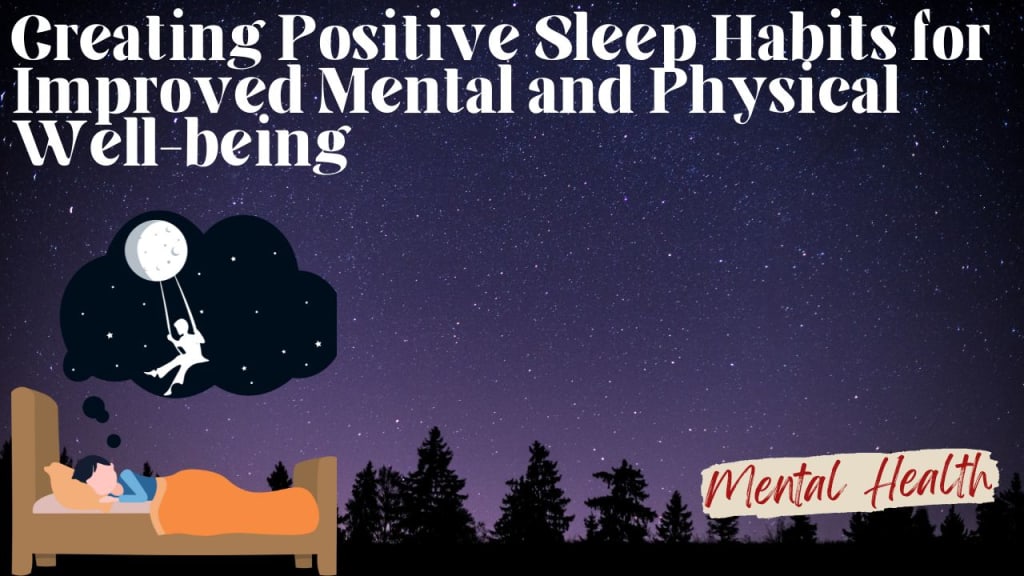
The way we approach sleep greatly impacts our mental and emotional well-being. Whether we realize it or not, our thoughts and emotions during sleep can affect our waking life. This article delves into the significance of fostering positive sleep habits to promote better mental and physical health. By understanding how our subconscious mind can incubate both negative and positive thoughts during sleep, we can make conscious choices to create a more nurturing sleep environment.
The Power of Positive and Negative Incubation:
Our subconscious mind is active during sleep and can incubate either positive or negative thoughts and emotions. If we wake up feeling inexplicably down or anxious, it might be a result of negative incubation during the night. Recognizing this, we can take steps to eliminate negativity and foster positive mental states before bedtime.
The Role of Pre-Bedtime Rituals:
Pre-bedtime rituals play a crucial role in setting the tone for restful sleep. Incorporating practices like showering before bed can have significant benefits beyond skin cleansing. We explore the effects of lukewarm showers on alertness and their potential to remove mental burdens, contributing to better sleep quality.
The Power of Organic Oil Lamps:
The presence of an organic oil lamp with a cotton wick in the sleeping space can have profound effects on reducing negative energies. Understanding the symbolic significance of this ancient practice can shed light on its relevance in modern times for promoting peace and tranquility.
Creating a Relaxing Sleep Environment:
The environment in which we sleep can significantly impact the quality of our rest. Designing a relaxing sleep space with dim lighting, comfortable bedding, and minimal distractions can promote a sense of tranquility and ease before bedtime. Ensuring that the room is well-ventilated and at a comfortable temperature can also contribute to better sleep.
Limiting Screen Time Before Bed:
Excessive exposure to screens, such as smartphones, tablets, or laptops, before bedtime can disrupt our sleep patterns. The blue light emitted by these devices can interfere with the production of melatonin, a hormone essential for regulating sleep. Establishing a "screen-free" period before bed and engaging in calming activities like reading a book or practicing gentle stretches can be beneficial.
Journaling to Release Thoughts and Emotions:
If you find yourself carrying unresolved thoughts and emotions into sleep, consider journaling before bedtime. Writing down your worries, anxieties, or any other thoughts can serve as a therapeutic release, allowing your mind to be more at ease when you lay down to sleep.
Yogic Practices for a Restful Night:
Yoga offers a wealth of practices that can prepare us for a restful night's sleep. We delve into specific yogic practices designed to calm the mind, release tension, and create a sense of detachment from the body and thoughts. These practices can act as potent tools for improving sleep quality and overall well-being.
The Concept of Transient Identity:
By understanding that our physical body is constantly changing due to the consumption of food and interaction with the environment, we can foster a sense of detachment from the body and mind. This realization can lead to a more profound understanding of our true nature, contributing to a peaceful mindset before sleep.
Practicing Mindfulness Before Sleep:
Devoting a few minutes before falling asleep to mindfulness can be transformative. We explore how a simple meditation on detachment from the body and mind can create a positive impact on our subconscious thoughts during sleep, promoting a more balanced mental state upon waking.
Conclusion:
The way we approach sleep can significantly influence our mental and emotional well-being. By becoming aware of the power of positive and negative incubation during sleep, we can take conscious steps to nurture positive thoughts and emotions before bedtime. Pre-bedtime rituals, such as showering, using organic oil lamps, and engaging in yogic practices, can create a conducive environment for restful sleep. Furthermore, understanding the transient nature of our identity and practicing mindfulness can lead to improved sleep quality and a more balanced and contented waking life. Embracing positive sleep habits is a powerful way to enhance both our mental and physical well-being, leading to a more fulfilling and joyful life.
About the Creator
Curious Conundrums
Curious Conundrums: Unravel enigmatic puzzles and perplexing riddles in history, science, and beyond. Join the quest to decipher captivating mysteries. Engage, subscribe, and embrace curiosity!
Keep reading
More stories from Curious Conundrums and writers in Lifehack and other communities.
Signs Your Mental Health Might Be Slipping
Just like physical health, mental health is essential for overall well-being. It can fluctuate based on life's stresses and challenges, affecting everyone, regardless of whether they have a diagnosed mental illness. Sometimes, it becomes crucial to check in with yourself to gauge the direction your mental health is taking. In this article, we will explore ten signs that might indicate your mental health is getting worse. Remember, seeking support and help is crucial, and there are resources available to guide you through difficult times.
By Curious Conundrums2 years ago in Motivation
Time Management Vs Money Management
In today’s fast-paced world, two skills are often highlighted as essential for success: time management and money management. Both are considered pillars of a productive and stable life, yet people frequently debate which one matters more. Is it better to manage your time perfectly or to handle your money wisely? The truth is that both are deeply connected, but they play different roles in shaping personal growth, career success, and long-term happiness.
By shaoor afridia day ago in Lifehack




Comments
There are no comments for this story
Be the first to respond and start the conversation.