
Cosmetic packaging in the era of circular economy: multiple options for material reuse
Cosmetic Packaging
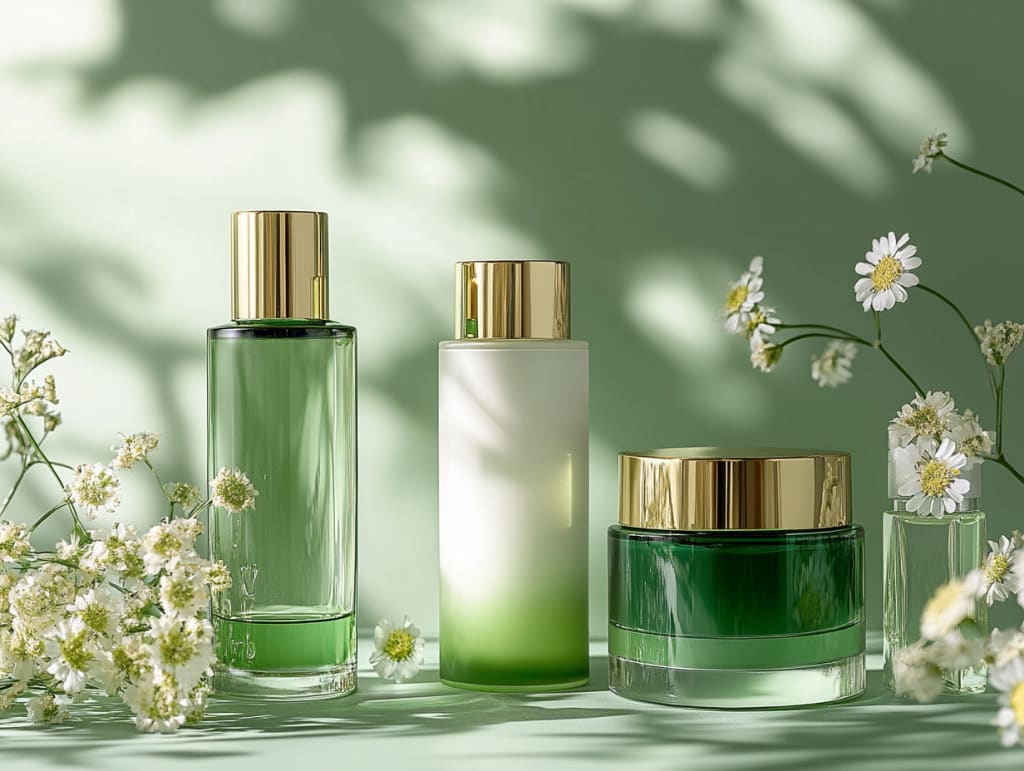
Today, environmental protection has become a global focus, and the cosmetics industry is no exception. In the past, packaging was often seen as an accessory to the product. The use of disposable plastics made packaging convenient and cheap, but it brought long-term damage to the environment. With the rise of the circular economy, the cosmetics industry has begun to explore more sustainable packaging options, reduce waste through material reuse, and promote the industry’s transformation towards environmental protection.
Why is the circular economy important for cosmetic packaging?
The cosmetics industry consumes a large amount of packaging materials every year, most of which are disposable plastics, which are difficult to degrade and put great pressure on the environment. The concept of the circular economy is to extend the use cycle of resources and reduce excessive consumption of natural resources by reducing, reusing and recycling. For the cosmetics industry, this means that it is necessary to rethink the choice of packaging materials and find more environmentally friendly alternatives.
Different material reuse options
1. Application of recycled plastics
Recycled plastic (PET) is a highly anticipated material in the circular economy. It is processed by used plastics and used again for packaging production. Cosmetics brands are increasingly choosing to use PET, not only because it can reduce the production of new plastics, but also because it can show consumers the brand’s environmental commitment. Using PET has become an environmental symbol for many brands, conveying a sustainable brand concept to consumers.
2. Recyclable packaging materials
In addition to recycled plastics, glass and aluminum packaging are also popular choices. Not only can they be recycled many times, but they also look high-end and have good texture, which is especially favored by high-end brands. Glass packaging is also considered to be the most “friendly” material to product ingredients, and will not chemically react with cosmetics, making it very suitable for the high-end market of skin care products.
3. Reusable packaging design
In sustainable development, reuse is key. Many brands have begun to launch reusable packaging designs, where consumers can buy refills to reduce packaging waste. This practice not only extends the life cycle of packaging, but also brings more convenience to consumers. For example, some brands’ reusable bottles allow consumers to refill products repeatedly, saving resources and saving consumers money.
4. Trials of biodegradable materials
Biodegradable materials are another environmentally friendly option that has emerged in recent years. This type of material can be decomposed in the natural environment and will not cause long-term pollution to the environment like traditional plastics. Although the cost of this material is currently high, it provides a very feasible environmental solution for the cosmetics industry, especially for brands that focus on nature and environmental protection.
Benefits and challenges of environmentally friendly packaging
Adopting environmentally friendly packaging is not only good for the environment, but also brings a lot of added value to the brand. First, consumers are increasingly willing to pay more for environmental protection, and they prefer brands that take sustainable measures. Through environmentally friendly packaging, brands can enhance their image and attract more consumers who pay attention to environmental protection, especially the younger generation.
However, the transformation of environmentally friendly packaging is not without challenges. The first is the cost issue. The cost of many environmentally friendly materials is higher than that of traditional materials, which may be a considerable pressure for small and medium-sized enterprises. Secondly, although consumers have a demand for environmental protection, they still need more guidance in accepting and understanding the specific practices of environmentally friendly packaging, and brands need to invest more energy in this regard.
Future prospects
Despite the challenges, the transformation of the cosmetics industry to a circular economy is imperative. With the advancement of technology, the cost of environmentally friendly materials is expected to decrease, and more brands will be able to adopt these materials. In the future, cosmetics packaging will pay more attention to reducing waste, extending the service life, and gradually reducing dependence on non-renewable resources.
Consumers’ environmental awareness is increasing, and brands’ sense of responsibility is also increasing. We can expect that in the future, the cosmetics industry will see more innovative packaging solutions that will not only protect the earth, but also provide consumers with a better user experience.
Conclusion
The cosmetics industry is transforming towards a circular economy, with more and more brands adopting recycled plastics, recyclable materials, reusable designs and biodegradable materials. This transformation not only helps reduce harm to the environment, but also provides brands with new competitive advantages. In the future, with the further promotion of technology and consumer demand, environmentally friendly packaging will become the mainstream trend of the industry and contribute to global sustainable development.
About the Creator
Time Management Vs Money Management
In today’s fast-paced world, two skills are often highlighted as essential for success: time management and money management. Both are considered pillars of a productive and stable life, yet people frequently debate which one matters more. Is it better to manage your time perfectly or to handle your money wisely? The truth is that both are deeply connected, but they play different roles in shaping personal growth, career success, and long-term happiness.
By shaoor afridi5 days ago in Lifehack



Comments