
Environmental Revolution: Sustainable Transformation of Cosmetic Packaging Materials
Cosmetic Packaging
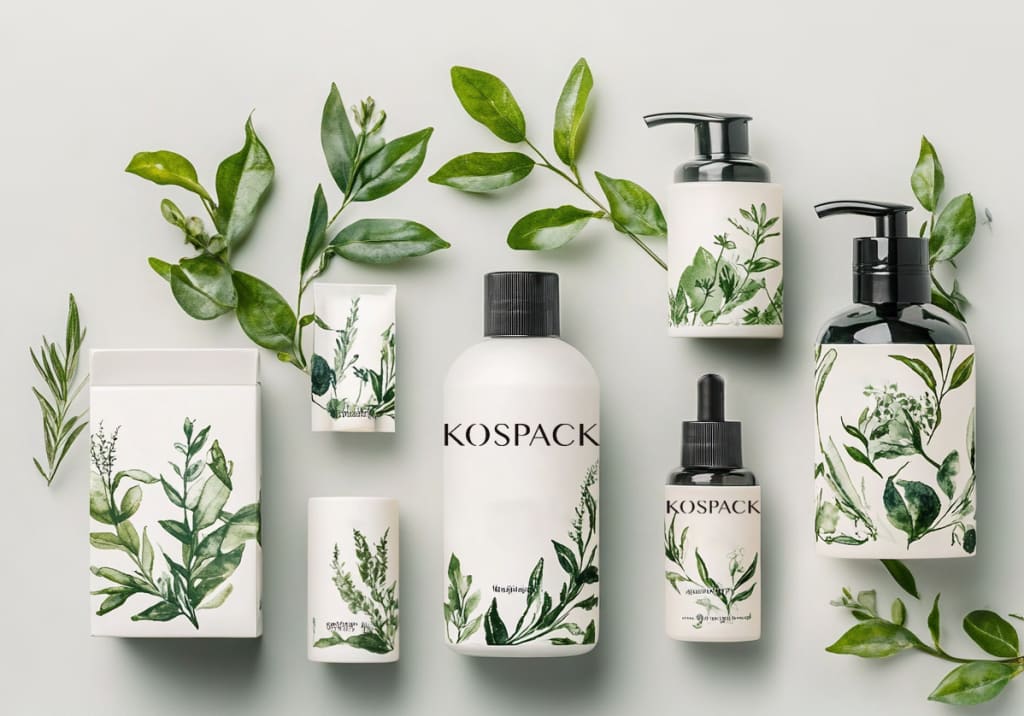
With the continuous improvement of global environmental awareness, the cosmetics industry is undergoing a “green transformation” of packaging materials. In the past, cosmetic packaging used a lot of plastic, which is not only difficult to degrade, but also has a serious burden on the environment. Today, more and more cosmetics brands are beginning to adopt sustainable packaging materials to reduce the negative impact on the environment while meeting consumers’ growing demand for environmentally friendly products.
From plastic to sustainable materials
Traditional cosmetic packaging is mostly based on plastic. Although this material has low production costs and is easy to use, it degrades very slowly, resulting in a large amount of plastic waste accumulating in the natural environment. Cosmetic packaging also accounts for a certain proportion of the plastic waste generated worldwide each year, which puts heavy pressure on the ecosystem.
In response to this problem, more and more brands are actively looking for more environmentally friendly alternative materials. Today, biodegradable materials, recyclable plastics and glass packaging are gradually becoming new options in the industry. Companies like KOSPACK focus on providing sustainable packaging solutions for cosmetics brands, which not only reduce the use of plastic, but also help brands take an important step in the field of environmental protection.
Brands’ environmental transformation
Many well-known cosmetics brands have begun to implement environmental measures and have pledged to reduce or completely eliminate disposable plastic packaging. Some brands choose to use recyclable materials to reduce their reliance on traditional plastics. At the same time, more and more brands have incorporated environmental protection concepts into packaging design, such as adopting lightweight designs or launching reusable packaging. Refillable cosmetic bottles and skin care jars reduce the use of disposable packaging by allowing consumers to refill the contents themselves.
This trend is not just a choice of brands, but more of a response to market changes. Environmentally friendly packaging can not only improve the brand image, but also drive consumers’ goodwill towards the brand, especially in the current context of increased environmental awareness.
The driving force of consumers
Consumer demand is the key to prompting brands to accelerate their transformation to environmentally friendly packaging. Today, many consumers not only pay attention to whether the ingredients of the product are safe and natural, but also pay special attention to whether the packaging is environmentally friendly. A survey shows that more than 60% of consumers are willing to pay a higher price for environmentally friendly packaging, showing the importance of green environmental protection in purchasing decisions.
This means that brands can not only attract more consumers through environmentally friendly packaging, but also demonstrate their sense of responsibility in the field of environmental protection. As consumers pay more and more attention to green consumption, the environmental protection actions of brands will directly affect market performance.
Challenges and opportunities coexist
Although environmentally friendly packaging has become an industry trend, this transformation is not without challenges. The high cost of sustainable materials and the fact that some new technologies have not yet been fully popularized have put pressure on small brands to implement environmentally friendly packaging. However, with the advancement of technology, the cost of sustainable packaging is expected to gradually decrease in the future, and more brands will be able to afford these environmentally friendly options.
Sustainable packaging transformation has become the development direction of the cosmetics industry. Brands must not only maintain competitiveness in product quality, but also show environmental awareness in packaging design in order to win consumer recognition.
Conclusion
The sustainable transformation of cosmetics packaging materials marks a new stage in the industry’s move towards green development. As more and more brands and companies join the ranks of environmental protection, we look forward to seeing more innovative environmentally friendly materials and designs in the future to bring substantial changes to the earth. This is not only a reflection of technological progress, but also an environmental protection trend jointly promoted by brands and consumers.
About the Creator
Top 10 Questions to Ask Every Perth NDIS Service Before You Engage Them
Choosing the right National Disability Insurance Scheme (NDIS) provider shapes the quality of care, independence, and outcomes a participant experiences. In Perth, families and participants face a growing number of service options, which makes informed decision-making essential.
By Anshul Vijay4 days ago in Lifehack



Comments