
Concrete Construction Projects: A Guide to Making Your Dreams Come True
A Guide to Concrete Construction Projects That Will Leave You Speechless

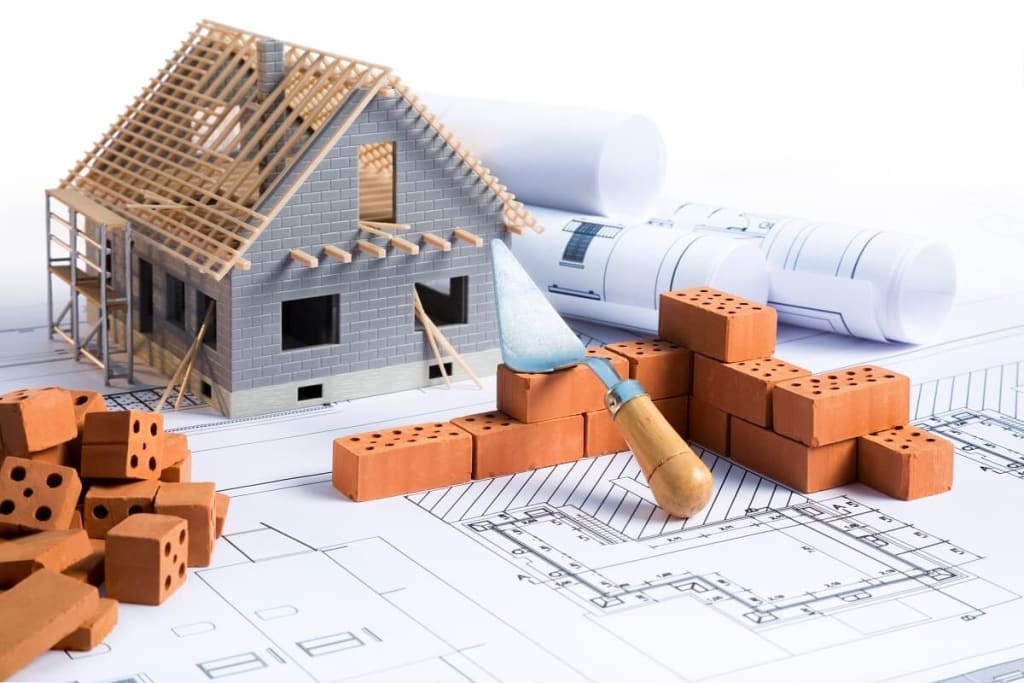
Concrete construction is more than just the foundation for most buildings; it is the backbone of some of the world’s most awe-inspiring architectural feats and personal dream projects.
From small backyard patios to towering skyscrapers, concrete’s versatility, durability, and affordability have made it one of the most sought-after building materials across the globe.
In this guide, we will walk you through everything you need to know about concrete construction and the common signs of concrete damage. From building your dream concrete project to maintaining and fixing any wear and tear, this post will equip you with valuable insights into the world of concrete.
Why Choose Concrete for Your Construction Projects?
Concrete’s popularity in construction stems from its unique blend of qualities, making it ideal for a range of projects, whether residential, commercial, or industrial. Here are some compelling reasons to consider concrete:
1. Durability and Strength: Concrete is incredibly strong and can withstand immense pressure. It is ideal for projects that need to endure environmental factors like wind, rain, and earthquakes. Reinforced concrete can handle even greater loads, perfect for structures such as bridges and multi-story buildings.
2. Versatility: From simple driveways and patios to complex structures like multi-tiered parking lots and designer homes, concrete can be molded and shaped into almost any form. Its flexibility in use makes it adaptable for a variety of construction projects.
3. Cost-Effective: Concrete is relatively inexpensive compared to other construction materials like steel and wood. Its low maintenance requirements add to its cost-effectiveness over the life of a project.
4. Energy Efficiency: Concrete has excellent thermal properties, helping to regulate temperature within buildings. This can result in reduced heating and cooling costs, making it an eco-friendly option for modern construction.
5. Longevity: When properly maintained, concrete structures can last for decades, if not centuries. Historical structures like the Pantheon in Rome are living examples of concrete’s long-lasting capabilities.
Popular Concrete Construction Projects
Concrete can be used in a wide range of projects. Whether you’re planning a DIY project or working with a contractor, here are some popular concrete construction ideas:
1. Driveways and Walkways
Concrete driveways are a common feature in homes around the world. They offer durability and a clean look that complements almost any home design. Additionally, concrete walkways add charm and functionality to any property, guiding guests through beautifully landscaped areas.
Pro Tip: To enhance the aesthetic appeal, consider stamped or colored concrete for your driveway or walkway, creating a custom look that mimics stone, brick, or tile.
2. Patios and Outdoor Spaces
A concrete patio offers a solid, low-maintenance outdoor space for relaxing and entertaining. Concrete can be stamped, textured, or stained to look like stone or even wood, adding elegance to your backyard.
Pro Tip: Use concrete pavers or slabs to create outdoor kitchen spaces, seating areas, or fire pits. These elements add warmth and usability to your outdoor space year-round.
3. Foundations and Basements
Concrete foundations provide stability for homes, commercial buildings, and industrial projects. Whether you’re building a small home or a massive skyscraper, a solid concrete foundation ensures the longevity of the structure.
Pro Tip: If you’re constructing a basement, invest in waterproofing systems. Proper drainage and waterproofing will protect the concrete foundation from moisture-related damage, such as cracks and mold.
4. Retaining Walls
Concrete retaining walls can transform sloped landscapes into functional and aesthetically pleasing spaces. These walls hold back soil, creating level areas for gardens, patios, or even driveways.
Pro Tip: Use textured or decorative concrete blocks for retaining walls to make them stand out. These walls can double as seating areas in gardens or patios.
5. Pools
Concrete is the primary material used in building swimming pools. Concrete pools can be custom-shaped to fit any backyard and can be finished with a variety of textures, from smooth to pebbled surfaces.
Pro Tip: Consider adding a stamped concrete deck around your pool to enhance the look of the space while maintaining durability.
6. Skyscrapers and Large Buildings
Reinforced concrete plays a critical role in high-rise construction, providing the necessary strength to support floors upon floors of weight. Concrete's resistance to fire and weather also makes it a safer choice for large commercial projects.
Pro Tip: Engineers often use high-performance concrete (HPC) for skyscrapers and other tall buildings, enhancing its strength and longevity under significant loads.
Key Steps in Concrete Construction
No matter the size or scope of your project, the steps involved in concrete construction are generally the same. Here’s a breakdown of the process:
1. Planning and Design
Before you begin any construction project, it's important to plan thoroughly. This includes defining the scope of the project, setting a budget, and working with an architect or engineer to finalize your design. For smaller projects like patios or driveways, you can sketch out the design yourself, but larger projects will require professional designer.
2. Site Preparation
Once your design is ready, the next step is preparing the site. This includes clearing the land, grading it for proper drainage, and installing any necessary forms. Proper site preparation ensures the longevity of your concrete project by preventing cracks and uneven settling.
3. Pouring and Setting the Concrete
Pouring concrete is a precise process that involves mixing the concrete and placing it in the designated forms. Depending on the project, reinforcements like rebar or mesh may be added to provide extra strength. After the concrete is poured, it needs to be spread evenly and allowed to set.
Pro Tip: Weather conditions play a significant role in how concrete sets. Avoid pouring concrete in extreme heat or cold to prevent cracking.
4. Curing
Curing is the process of keeping the concrete moist as it sets, ensuring it reaches maximum strength. This can take anywhere from 7 to 28 days, depending on the size of the project and the specific concrete mix used.
5. Finishing Touches
Once the concrete is fully cured, you can add finishing touches like polishing, staining, or sealing to protect it from the elements and enhance its appearance.
Tips for Successful Concrete Projects
1. Hire Professionals for Complex Projects: While DIY enthusiasts can handle small projects like patios or walkways, large-scale concrete construction projects like foundations or pools require the expertise of professional contractors. They have the necessary tools and knowledge to ensure the job is done correctly.
2. Use Quality Materials: The longevity and durability of your project depend on the quality of materials used. Always opt for high-grade concrete mixes and reinforcements to ensure your project stands the test of time.
3. Plan for Expansion Joints: Concrete naturally expands and contracts with temperature changes. Adding expansion joints will help prevent cracking and allow for this movement.
4. Pay Attention to Weather Conditions: Extreme weather can interfere with the curing process. Plan your project for times when temperatures are mild, and avoid rainy or freezing conditions.
Conclusion: Building Your Dream with Concrete
Concrete construction is a reliable and versatile way to turn your dream project into reality. Whether you’re creating a beautiful outdoor space, adding a functional element to your home, or embarking on a large-scale commercial venture, concrete can meet your needs.
By planning carefully, using high-quality materials, and following best practices, you can ensure that your concrete construction project will be strong, durable, and aesthetically pleasing for years to come. So, take the first step and start turning your concrete dreams into a reality today!
About the Creator
Ankit Kapoor
Interior design enthusiast, part-time blogger, and a panda lover. I have mission to explore the trending architectural and interior design ideas to the world.
Keep reading
More stories from Ankit Kapoor and writers in Lifehack and other communities.
Creating Modern Workspaces: A Guide to Office Interior Design in Bhubaneswar
Bhubaneswar, the capital city of Odisha, has been steadily evolving into a hub for technology, education, and industry. With a growing corporate presence, businesses in Bhubaneswar are increasingly recognizing the importance of modern, efficient, and inspiring workspaces.
By Ankit Kapoorabout a year ago in Lifehack




Comments
There are no comments for this story
Be the first to respond and start the conversation.