
Common Painting Mistakes a Painting Company Can Help You Avoid
Prevent Peeling, Streaks, and Uneven Finishes with the Expertise of a Professional Painting Company
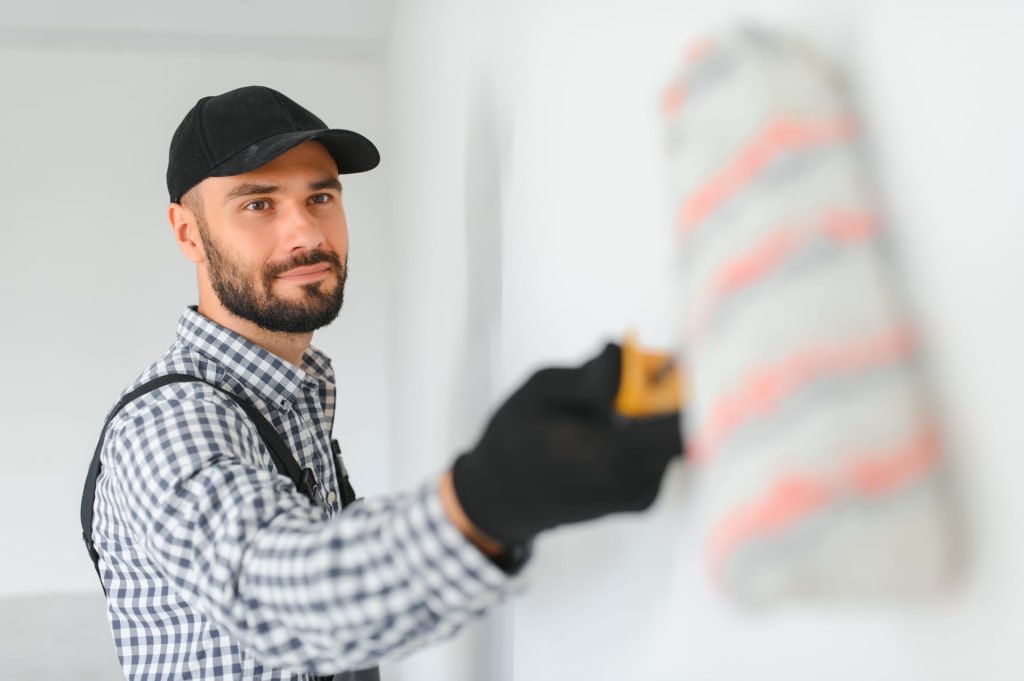
Painting might appear to be a simple task, but minor errors can lead to uneven coverage, peeling surfaces, and a finish that looks far from professional. Homeowners and business owners frequently take the DIY route, assuming that patience and basic tools will achieve the same results as a trained painter. A professional painting company brings the right techniques, high-grade materials, and years of expertise to prevent expensive mistakes. Learning about these common painting blunders and how professionals avoid them can prevent frustration and unnecessary expenses.
Skipping Proper Surface Preparation Causes Peeling and Cracking
Skipping prep work might seem like a shortcut, but it results in weak adhesion, which leads to peeling or cracking within months. A homeowner once painted their kitchen walls without removing built-up grease and dust. Within weeks, the paint started to bubble and flake, leaving the walls looking worse than before. A reputable painting company follows a structured preparation process to ensure a smooth and long-lasting finish.
- Cleaning surfaces removes grease, dirt, and residue that prevent proper adhesion.
- Sanding and repairing holes create an even texture that helps paint apply smoothly.
- Using primer strengthens adhesion, reducing the chances of bubbling or peeling.
Choosing the Right Paint for Each Surface Prevents Premature Wear
Not all paints are designed for the same surfaces, and using the wrong type can lead to an unattractive and short-lived result. A business owner once decided to refresh their exterior signage with interior wall paint, assuming all paint works the same. Within a month, exposure to sun and rain caused the color to fade and peel, leaving the surface looking neglected. A knowledgeable painting company selects paint that matches the needs of each space to maximize longevity and visual appeal.
- Exterior paint is formulated to resist extreme temperatures, moisture, and UV rays.
- Interior paint is designed to withstand scuffs and cleaning without losing vibrancy.
- Specialty coatings ensure surfaces like brick, metal, and stucco remain in excellent condition.
Matching the Paint Finish Improves Longevity and Aesthetic Appeal
Selecting the wrong finish can lead to an inconsistent appearance or a surface that does not hold up to daily use. A homeowner once used flat paint in a bathroom, assuming all paints provide the same durability. After a few months, steam and condensation caused streaking and water stains that couldn’t be wiped away. A seasoned painting company knows which finishes work best in different environments.
- High-gloss and semi-gloss finishes resist moisture and are easy to clean.
- Matte and eggshell finishes provide a soft, elegant look but require careful maintenance.
- Satin finishes offer a durable yet subtle sheen that works well in most rooms.
Primer Ensures Even Coverage and Prevents Stains from Bleeding Through
Skipping primer leads to patchy coverage, visible stains, and multiple unnecessary coats of paint. A homeowner once attempted to paint over a deep blue wall with white paint, thinking multiple coats would do the job. Even after four layers, the old color still showed through in certain areas. A trusted painting company understands how to use primer effectively to create a strong foundation.
- Primer prevents stains, previous colors, and wood tannins from bleeding through.
- Proper priming allows paint to adhere more effectively, reducing peeling or flaking.
- Tinted primers reduce the number of coats needed when transitioning between dark and light shades.
Even Paint Application Prevents Streaks and Uneven Color
Applying too much or too little paint results in streaks, visible brush strokes, and inconsistent coverage. A business owner once tried to repaint their office using a low-quality roller, assuming it would make no difference. The final result had patchy areas, roller marks, and an uneven finish that diminished the professional look of the space. A skilled painting company applies paint in smooth, even layers to ensure consistent color and texture.
- High-quality rollers and brushes distribute paint evenly without leaving behind streaks.
- Rolling techniques ensure uniform application, reducing the risk of lap marks.
- Multiple thin layers create better coverage and durability than a single thick coat.
Allowing Sufficient Drying Time Prevents Peeling and Smudging
Painting too quickly between coats often leads to peeling, cracking, or tacky surfaces that collect dust and debris. A homeowner once repainted their dining room and applied a second coat before the first had fully dried. Within days, the paint started peeling, revealing uneven patches where the layers had not bonded properly. A professional painting company follows the correct drying schedule to create a durable and smooth finish.
- Water-based paints typically require two to four hours of drying time between coats.
- Oil-based paints take longer to cure, often needing 24 hours before the next application.
- Environmental conditions, including humidity and airflow, play a role in proper drying times.
Using Painter’s Tape Correctly Creates Clean, Sharp Edges
Improper use of painter’s tape results in jagged edges, paint bleeding under the tape, or peeling off sections of dried paint. A business owner once taped off a feature wall but removed the tape too late, causing sections of dried paint to lift from the edges. A detail-oriented painting company knows how to use painter’s tape effectively to achieve precise, clean lines.
- Taping off dry, dust-free surfaces ensures strong adhesion and crisp edges.
- Removing tape at a slight angle while the paint is semi-dry prevents chipping.
- High-quality tape minimizes bleeding and eliminates the need for extensive touch-ups.
Painting Under the Right Conditions Prevents Uneven Drying and Texture Issues
Temperature, humidity, and direct sunlight can all impact how paint dries and adheres to a surface. A homeowner once painted their outdoor deck during a heatwave, unaware that the extreme heat would cause the paint to dry too quickly. The final result had visible brush strokes and an uneven finish. A well-trained painting company considers environmental factors before beginning any project.
- Ideal painting temperatures range between 50°F and 85°F for best results.
- Excessive humidity slows drying times and can cause streaking or bubbling.
- Direct sunlight causes paint to dry too quickly, increasing the likelihood of lap marks and cracking.
Protecting Floors, Furniture, and Fixtures Prevents Accidental Damage
Paint splatters and spills can be nearly impossible to remove once dried, leading to costly damage. A business owner once repainted their office lobby without covering the floors properly. By the end of the project, paint stains covered the hardwood, requiring expensive refinishing. A professional painting company ensures that all surfaces remain protected.
- Drop cloths and plastic sheeting prevent paint from reaching floors, furniture, and décor.
- Masking techniques shield baseboards, trim, and light fixtures from stray paint.
- Professional cleanup ensures that no paint residue is left behind.
Accurately Measuring Paint Quantities Prevents Inconsistencies
Running out of paint midway through a project can lead to color inconsistencies and extra costs. A homeowner once underestimated the amount of paint needed for their living room and had to purchase more, only to realize the second batch had a slightly different tint. A painting company calculates the right amount of paint for full, even coverage.
- Paint quantity depends on surface texture, color changes, and required coats.
- Buying too much paint leads to wasted materials and unnecessary storage issues.
- Mixing all paint cans together before starting prevents minor shade variations.
Key Mistakes a Painting Company Helps Prevent
Hiring professionals eliminates stress, saves time, and ensures a polished result that lasts. Common DIY mistakes often lead to unnecessary repairs and touch-ups, but trained painters handle projects efficiently and correctly the first time. Choosing the right materials, techniques, and preparation methods makes a significant impact on the outcome.
- Proper preparation prevents adhesion problems, cracking, and bubbling.
- Expert application techniques result in smooth, professional finishes.
- Controlled drying conditions create a durable, long-lasting paint job.
Frequently Asked Questions
What causes paint to peel after drying?
Weak adhesion due to improper surface cleaning, skipping primer, or applying coats too quickly often leads to peeling.
Which paint type lasts the longest?
Acrylic latex paints provide the best durability, resisting moisture, stains, and fading for years.
How many coats of paint do most projects need?
Most walls require two coats for full coverage, while dark-to-light transitions may need a third layer.
Does painting in cold weather affect the outcome?
Cold temperatures slow drying and can cause poor adhesion, leading to cracking or uneven coverage.
What is the most common DIY painting mistake?
Neglecting surface preparation results in weak adhesion, streaks, and premature wear.
About the Creator
Keep reading
More stories from Piper Burch and writers in Lifehack and other communities.
Understanding Roll-Off Dumpster Rentals and When to Use Them
Efficient waste management requires the right tools and a solid plan. A roll-off dumpster rental is a convenient way to handle large amounts of debris, especially for construction, remodeling, and major cleanout projects. These open-top containers simplify waste collection, making disposal more organized and compliant with local regulations. Knowing how this service works and when it’s most useful can help homeowners and businesses make informed choices.
By Piper Burchabout a year ago in Lifehack
5 Best AI Tools for Women
A modern woman's life is full of tasks. We need to balance work, home, family, friends, and personal care. But with only 24 hours in a day, we often struggle to find time for our favorite activities because we need to plan what to cook for dinner or make a shopping list for the week. It can all feel overwhelming, but the load can be made lighter with the help of AI, as many of our daily tasks can be delegated to various AI assistants. What apps can help you spend more time on yourself? Read on to find out.
By Lesya Chumak3 days ago in Lifehack
The BAFTA Awards
By now, in a stunning departure from recent years, most of the world is aware of what happened at the BAFTA film awards. Social Media Headlines will tell you the bare bones: that John Davidson, a Tourette's Syndrome advocate, shouted a racial slur at two Actors of Colour, Michael B Jordan and Delroy Lindo.
By Natasja Rose5 days ago in Psyche


Comments
There are no comments for this story
Be the first to respond and start the conversation.