
Common Misdiagnoses of Pelvic Pain: What You Need to Know
Pelvic pain is a common issue, but it can be difficult to diagnose. Many people with pelvic pain are misdiagnosed, leading to delayed or ineffective treatment. Whether it's due to a lack of awareness or overlapping symptoms

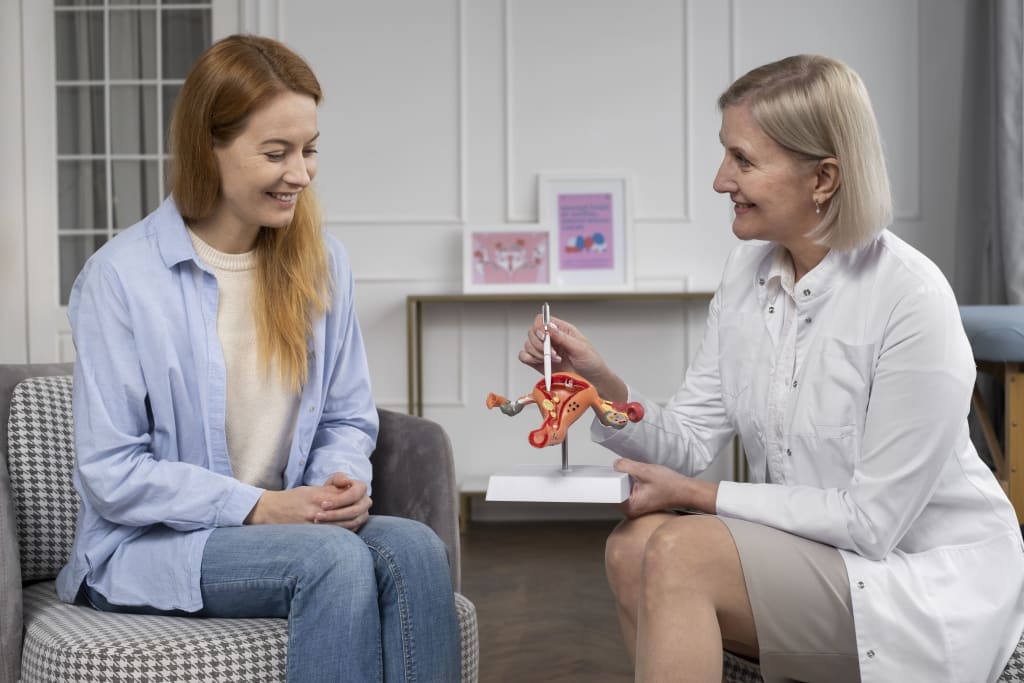
getting the correct diagnosis is crucial for effective treatment. Here’s a look at some of the most common misdiagnoses of pelvic pain and why they can be misleading.
Pelvic Pain Misdiagnosed as IBS
Irritable bowel syndrome (IBS) is often one of the first diagnoses for patients who experience pelvic pain, especially if they also report gastrointestinal symptoms like bloating, diarrhea, or constipation. However, pelvic pain physiotherapy can help identify whether the pain is related to the pelvic floor or gastrointestinal issues.
While IBS does cause discomfort, pelvic pain caused by conditions like endometriosis, pelvic floor dysfunction, or interstitial cystitis can have similar symptoms. Without a thorough pelvic exam or imaging, patients may continue to struggle with an incorrect diagnosis, delaying proper treatment.
Endometriosis or Pelvic Inflammatory Disease Misdiagnosed as Ovarian Cysts
Ovarian cysts are often considered the go-to explanation when a woman experiences pelvic pain, especially if cysts are visible on an ultrasound. However, pelvic conditions like endometriosis or pelvic inflammatory disease (PID) can mimic the same symptoms.
Both endometriosis and PID can cause chronic pelvic pain, bloating, and discomfort during intercourse. Misdiagnosing these conditions as ovarian cysts can lead to unnecessary treatments or surgery, without addressing the underlying problem. Consulting with a physiotherapy Milton expert who specializes in pelvic health may help uncover issues missed in the early stages.
Pelvic Pain Misdiagnosed as a Urinary Tract Infection (UTI)
Frequent and painful urination, along with pelvic discomfort, often leads doctors to diagnose a urinary tract infection (UTI). However, conditions like interstitial cystitis or pelvic floor dysfunction can mimic UTI symptoms, without the presence of a bacterial infection.
This misdiagnosis is especially common in women, as pelvic pain related to the bladder can be confused with UTI symptoms. A more thorough pelvic examination and urine tests can help differentiate between these conditions, ensuring the right treatment approach.
Misdiagnosing Pelvic Floor Dysfunction as Lower Back Pain
Pelvic floor dysfunction and lower back pain can often go hand-in-hand, which can make diagnosing pelvic pain challenging. The pelvic floor muscles are closely connected to the lower back muscles. So, pelvic issues like muscle tightness, weakness, or dysfunction can often present as lower back pain.
If a physician only addresses the back pain without checking the pelvic area, the underlying cause may be missed. A pelvic pain physiotherapy approach can help identify muscle imbalances or dysfunction in the pelvic floor, which may resolve the lower back pain over time.
Misdiagnosis of Pelvic Pain as Menstrual Cramps
For many women, pelvic pain is often attributed to severe menstrual cramps, especially if the pain occurs around their period. However, severe menstrual cramps can sometimes be mistaken for conditions like endometriosis, fibroids, or other pelvic health issues.
Endometriosis, for example, can cause severe pain that’s much worse than typical menstrual cramps and can last longer. If pain doesn’t subside with over-the-counter medications, it could be a sign that something else is going on. A detailed examination and diagnostic imaging can help distinguish between menstrual cramps and more serious conditions.
Chronic Pelvic Pain Misdiagnosed as Mental Health Issues
Chronic pelvic pain can take a toll on mental health, leading to feelings of anxiety, depression, and frustration. Some healthcare providers may mistakenly interpret these emotional symptoms as the primary cause of pelvic pain, especially if no obvious physical issues are present.
However, this approach can overlook serious underlying conditions like interstitial cystitis, pelvic floor dysfunction, or even cancer. It’s important that mental health concerns be addressed separately, without dismissing the physical pain as a “mental health issue.”
Pelvic Pain Misdiagnosed as Muscle Strain
Muscle strains in the pelvic area, especially in athletes, can sometimes be mistaken for pelvic organ issues. Pelvic muscle tightness or spasms can lead to intense pain, which is often assumed to be a muscle strain. However, the source of the pain may actually be related to the pelvic organs or the pelvic floor itself.
Physiotherapy can help identify whether the pain is muscle-related or involves deeper pelvic organs, helping patients avoid unnecessary treatments.
How Physiotherapy Can Help with Misdiagnoses
A pelvic pain physiotherapy program is essential for addressing the underlying causes of pelvic pain. These programs focus on identifying and treating pelvic floor dysfunction, muscle imbalances, and other physical causes of discomfort. Working with a physiotherapy Milton expert who specializes in pelvic health can help ensure an accurate diagnosis and appropriate treatment.
Physiotherapists can perform a thorough assessment to determine the cause of your pelvic pain, offering effective treatments like manual therapy, pelvic floor exercises, and education to prevent further issues.
Final Words
Pelvic pain is often misdiagnosed, leading to unnecessary treatments and delayed recovery. Conditions like pelvic floor dysfunction, endometriosis, and interstitial cystitis can mimic symptoms of more common conditions like IBS, UTIs, and ovarian cysts. If you’re struggling with pelvic pain, it’s essential to seek a second opinion and consider specialized treatments like pelvic pain physiotherapy. A physiotherapy Milton expert can help you get the proper diagnosis and treatment, allowing you to regain your comfort and well-being.
About the Creator
Lola Gold Finch
Lola Gold is a seasoned content writer specializing in lifestyle, health, technology, crypto, and business. She creates clear, well-researched content that simplifies complex topics and delivers meaningful value to readers.
Keep reading
More stories from Lola Gold Finch and writers in Lifehack and other communities.
How Cold Laser Therapy Supports Healing in Musculoskeletal Disorders
cold laser therapy, has shown promise in speeding up recovery and providing significant pain relief. If you're searching for "cold laser therapy close to me" or wondering about its effectiveness for musculoskeletal disorders, here's how it works and how it can support healing.
By Lola Gold Finch6 months ago in Lifehack
Top Things to Do in North Potomac for Families
Known for its quiet neighborhoods and welcoming atmosphere, North Potomac appeals to families who value space, safety, and a strong sense of community. Whether you are new to the area or have lived here for years, there are plenty of activities that families can enjoy together.
By House Doctor7 days ago in Lifehack


Comments