
Commercial Solar Rebates Under Small-Scale Renewable Energy Scheme VIC
Understanding the Small-Scale Renewable Energy Scheme

The Small-Scale Renewable Energy Scheme (SRES) is an Australian Government initiative designed to encourage the adoption of renewable energy systems, including solar photovoltaics (PV), by providing financial incentives to households and businesses. In Victoria, commercial entities can significantly benefit from this scheme when installing solar PV systems.
Understanding the Small-Scale Renewable Energy Scheme (SRES)
The SRES operates by issuing Small-scale Technology Certificates (STCs) to eligible small-scale renewable energy systems. These certificates represent the amount of electricity a system is expected to generate over its lifetime or the amount of electricity consumption it will displace. Businesses can sell these STCs to recoup a portion of their installation costs, effectively reducing the upfront investment required for solar PV systems.
To qualify for STCs under the SRES, commercial solar installations in Victoria must meet specific criteria:
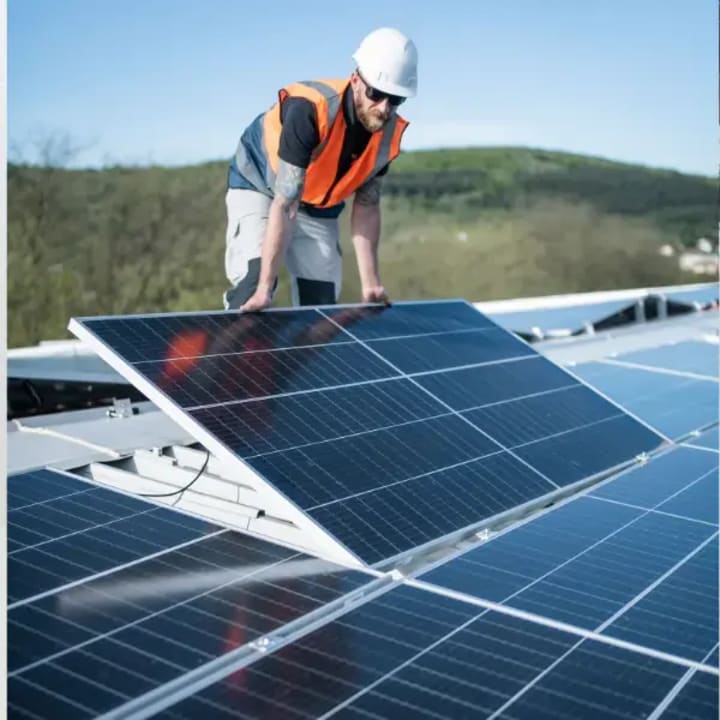
System Capacity: The solar PV system should have a capacity of up to 100 kilowatts (kW). Systems exceeding this capacity may fall under the Large-scale Renewable Energy Target (LRET) and are eligible for Large-scale Generation Certificates (LGCs) instead.
Approved components: All components of the solar PV system, including panels and inverters, must be approved and meet Australian standards.
System Certification: Upon installation, the system should be certified and registered with the Clean Energy Regulator to facilitate the issuance of STCs.
The number of STCs a commercial solar system can generate depends on several factors:
System Size: Larger systems generate more certificates due to their higher energy production capacity.
Location: The geographical location affects the amount of solar energy a system can produce. Areas with higher solar irradiance will yield more STCs.

Installation Date: The year of installation influences the deeming period, which is the number of years the system is expected to generate renewable energy. This period decreases annually until the scheme's scheduled conclusion in 2030.
As of recent estimates, the financial incentive from STCs can reduce the cost of a solar installation by approximately $400 to $600 per kilowatt (kW), though this can vary based on market conditions and specific system details.
Additional Victorian Government Incentives
Beyond the federal SRES, the Victorian Government offers additional support to encourage businesses to adopt solar energy:
Solar for Business Program: This initiative provides rebates to small businesses for installing solar PV systems. Eligible businesses can receive a rebate covering up to 50% of the cost of a rooftop solar system, with a maximum rebate amount specified by the program.
Feed-in Tariffs (FiTs): Businesses that generate excess electricity can export it back to the grid and receive payments through feed-in tariffs. The rates and eligibility criteria are determined by energy retailers and the Victorian Government.
Application Process for STCs
To benefit from the SRES, businesses typically follow these steps:

Engage a CEC-accredited installer: Consult with a certified installer to assess your energy needs and design an appropriate solar PV system.
STC Assignment: Often, installers offer an upfront discount on the system's cost in exchange for the rights to the STCs. They handle the registration and sale of the certificates, simplifying the process for the business owner.
Registration and Compliance: Ensure the system is registered with the Clean Energy Regulator and complies with all local regulations and grid connection requirements.
By leveraging the SRES and additional Victorian incentives, businesses can:
Reduce Upfront Costs: Financial incentives lower the initial investment required for solar installations.
Lower Operating Expenses: Generating on-site renewable energy decreases reliance on grid electricity, leading to significant savings on energy bills.
Enhance Sustainability Credentials: Adopting solar energy demonstrates a commitment to environmental responsibility, which can improve brand image and appeal to eco-conscious consumers.
Potential Revenue Streams: Through feed-in tariffs, businesses can earn additional income by exporting surplus energy back to the grid.
Conclusion
The Small-Scale Renewable Energy Scheme offers substantial financial incentives for Victorian businesses considering solar PV installations. By understanding the eligibility criteria, application process, and additional state-specific programs, businesses can make informed decisions that lead to cost savings and environmental benefits. Consulting with accredited professionals will ensure compliance and maximize the advantages of available rebates and incentives.
About the Creator
Priya Dogra
Priya Dogra is an ISSA certified In Keto coach and dietician who specializes in functional and integrative nutrition. She runs a virtual nutrition practice where she uses her Keto recipes and diet plans as medicine to help her clients.
Keep reading
More stories from Priya Dogra and writers in Lifehack and other communities.
Keto Spinach Frittata Recipe
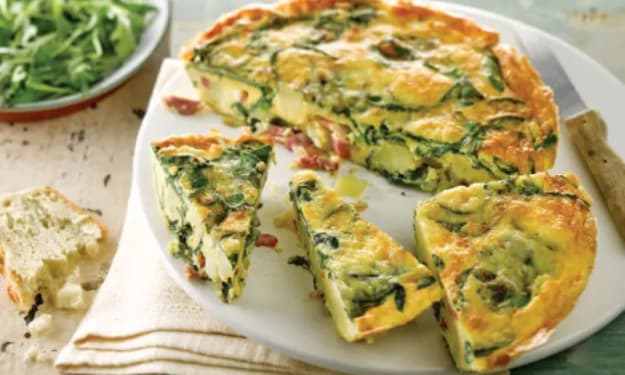
If you're looking for a delicious, nutritious, and easy-to-make breakfast that fits perfectly into your keto diet, a Keto Spinach Frittata is an excellent choice. Packed with protein and healthy fats, this dish is not only low in carbs but also versatile enough to accommodate various ingredients you might have on hand. Let’s dive into how to create this delightful meal.
By Priya Dograabout a year ago in Lifehack
Rustic Country Farmhouse Cottage Living Room Furniture Guide
Rustic Country Farmhouse Cottage Furniture is a popular interior trend that delivers a traditional aesthetic to a collection of furniture that is rich in history, as it provides the appearance that the furniture has been passed down through generations rather than recently purchased and manufactured. One of the most favourable factors of country farmhouse furniture is its large, rugged format, as it makes it highly durable and therefore long-lasting. Solid woods like oak and pine are typically used for construction; however, not only do they provide a strong and resilient structure, but they also celebrate the natural details in the wood, like knots, textured grains and cracks, all adding interest and character to each individual piece of furniture. Rustic Country farmhouse cottage living room furniture is an excellent choice for many living rooms, as it is known for its weathered finish that delivers layers of texture alongside uneven live edges and rough peeled paint finishes. This unique design trend is renowned for displaying a warm and welcoming aesthetic that instantly creates a relaxed and homely feel.
By Picture Perfect Home7 days ago in Lifehack
productivity principles
I’m going to show you the habits that will either make you angry or set you free. The choice is yours. Because honestly, most of you already know how to study a lot or work hard. Hardcore studying is not the reason you’re not where you want to be in life. The real reason is that you don’t understand how to take control of your time and squeeze everything possible out of it.
By Mahboubeh Fallahi7 days ago in Lifehack
Review of 'Man on the Run'
My wife and I saw Man on the Run, a nearly 2-hour documentary on Amazon Prime, about Wings, Paul McCartney's group that flew around the world from shortly after The Beatles broke up in early 1970 to shortly after John Lennon was murdered at the end of 1980, making a Beatles reunion forever impossible.
By Paul Levinson2 days ago in Beat


Comments
There are no comments for this story
Be the first to respond and start the conversation.