
Clutter Control: How To Organize The Mess In One Shot
Willing to finally declutter stuff in your home and organize the mess? Here are some go-to tips that will definitely program you for a successful decluttering experience

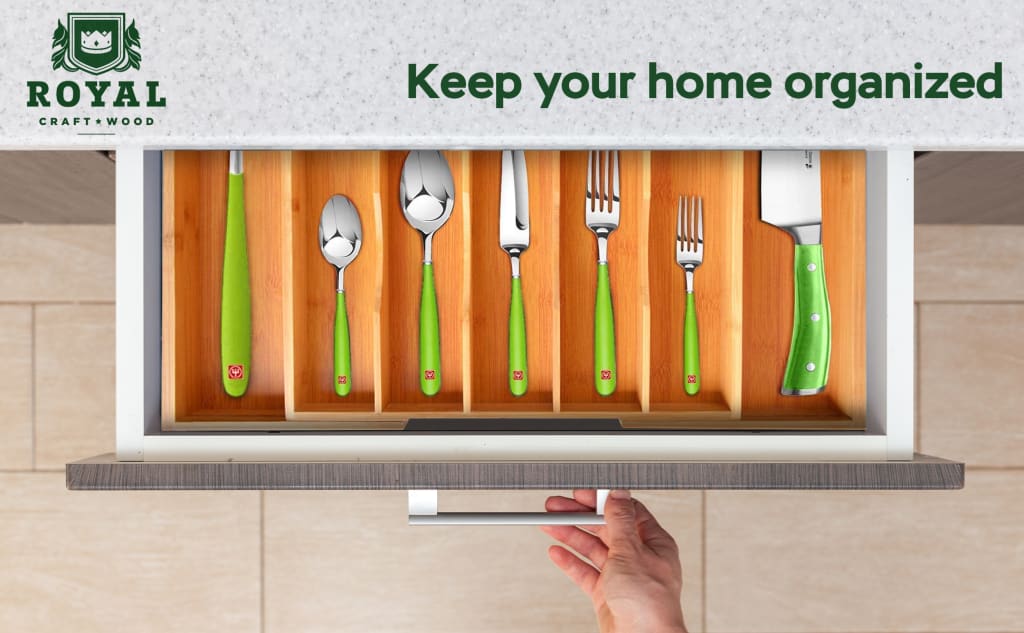
Have you ever paid the bills late just because you couldn't find them? Perhaps you feel stressed, as you cannot figure out how to maintain an environment for yourself and others properly. Well, we all have been there! Managing clutter is not always easy, especially if you have kids. And we’re here to provide you with some tangible tips on how to control clutter in your home effectively. If you need some more profound vision on how to declutter a house in one day, check the Royal Craft Wood blog. They dig deep into the organization scenarios. But for instance, take a look!

Make a plan
You can tackle an overstuffed home if you plan first, then make a commitment, and stick to it. This can be a 4-week plan of decluttering the room after room. To get started, jot down a weekly plan suggesting a minimum of two hours spent on eliminating clutter in a room.
Let the next week be dedicated to straightening up your guest room, for example. Pick the most urgent living space. For some, a home office makes sense most of all as they want to reclaim this hoarder place as soon as possible to do business there.
Know your needs
This point stems from the previous one. Understanding how to manage clutter begins with defining who uses the space and for what. And while organizing the mess, review the items according to these functions. Toss trash and excess!
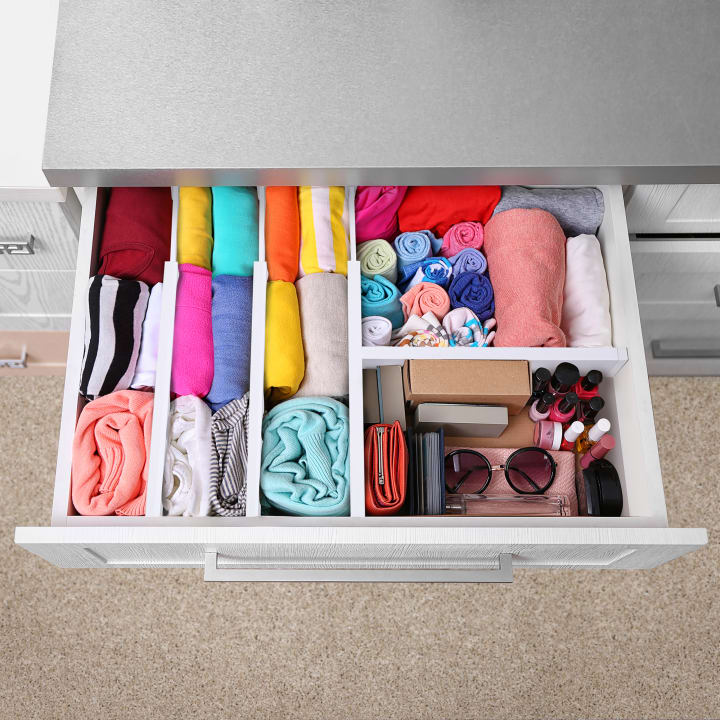
You can also put stuff in the “donate” box. If you keep things, start grouping objects: books here, cords there. Also, where they go depends on how often they are used. You can group stuff into A for everyday use, B for often, C for occasional, D for never. Remove things that don't belong to that room.

Honor memories correctly
Like many of us, you’re probably storing thousands of disorganized photos. For many, it’s a stagnant area. To deal with it, simple junking is not a way out. Instead, ask yourself, “What is the best memory I have about this person or event?”
Once figuring that out, get frames, mats, and boxes to sort the pics. Hang your favorite photos on the walls in the dining or living room. It’s an excellent subject for dinner-table talk about long-ago celebrations, far-flung relatives, grandparents who passed away. Thus, decluttering isn’t about taking something away from you, it’s about spotting things you appreciate the most.
Reclaim the space
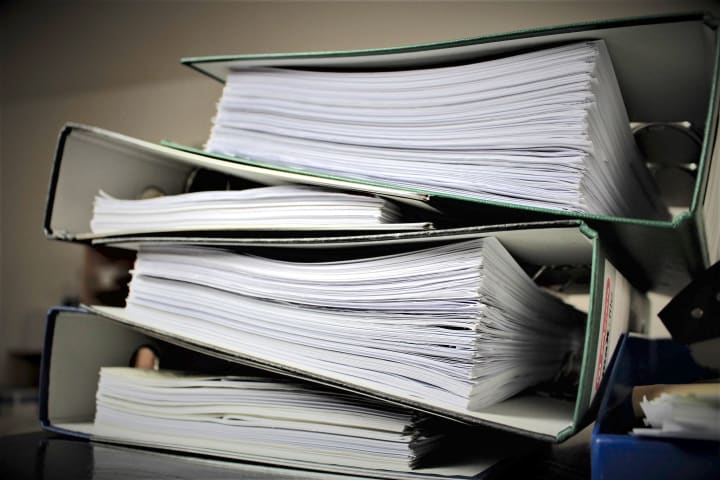
Sometimes, to eliminate clutter in a particular room, you need to purchase an extra piece of furniture to store stuff there. For example, a file cabinet for the home office. It might contain a profound drawer for filing and a way larger surface than the small desk where you put your computer.
If you used to write at the dining table, in bed, or on your knees, you now have a place to claim as your personal one. So, it’s not just about where stuff belongs; it’s about understanding where you belong.
Exploit Time effectively
Here’s a quick clutter-busting hint showing you how you can use a 5-minute TV commercial break to do the room’s makeover. Collect all the magazines, catalogs, leaflets, bits of trash and throw them in the garbage. Put right pillows and refold linen. Arrange your work table. When the next commercial comes, you can even vacuum the room.
If you have two hours, eliminate clutter in your closet or cabinet. Take the stuff out and classify the items by three types: frequently used, occasionally or seasonally, not used in 6 months. Then the last sort comes. Get rid of or give away the third category. As for the previous two, organize the second type somewhere in the back of the storage place, and place the most used items in front so they come in handy once needed.

Use the “6-month box rule”
What are the items you keep for years? An embroidered pillowcase, leftover fabric awaiting your inspiration to turn it into a creative home accessory? For managing clutter effectively, strike a deal with yourself: if you haven’t made that creative thing in six months, let it go. Put it in a “donate” box or toss it.
Another approach: If you cannot decide whether to keep an item or toss it, leave it in a box for 6 months. If you don’t take it out before then, you can get rid of it without a doubt and any regret. The truth is we keep things thinking they’ll come in handy someday. This is an amazing idea for those who hoard stuff like travel toiletries, magazines, and newspaper clippings.
Set the rules
Simple rules can make a difference. For example, teach kids to place the toys back in a chest or bin before bedtime. If you have teens in the house, ask them to put bicycles or sports gear into the assigned rack or place in the garage. Make everyone follow the simple rule: “Whatever you do, put things back in the same place afterward!”
Another well-known rule helps a lot to control clutter in your home. It’s “Keep things visible!” If you can’t see what’s on the table, take action as soon as possible. Also, establish “specific homes” for the things you use daily - a basket for magazines, hooks for keys, and so on.
Arrange the items by places
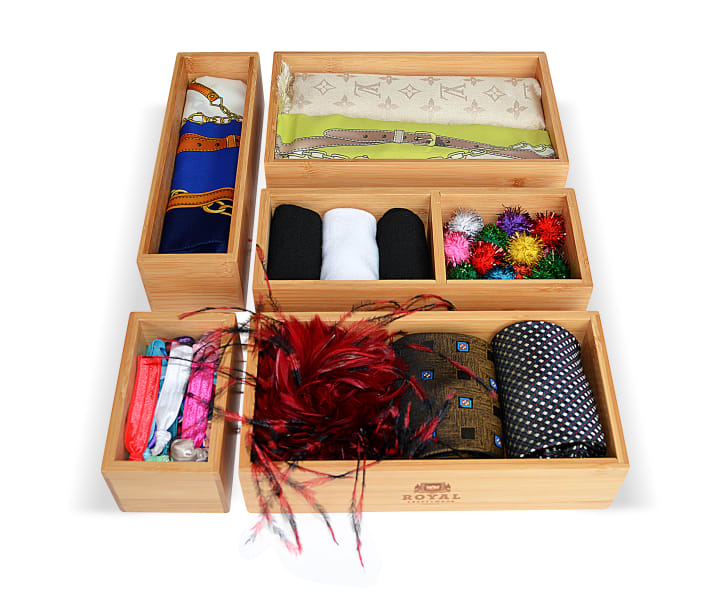
There are multiple ways to optimize living spaces to store things wisely. For example, use broad baskets to keep newspapers and books, remote controls. Store throw blankets or out-of-season clothes inside the boxes you can place under the bed. Pick one bowl to harbor the items from your purse. Put a pretty box near your bedside table to keep your female stuff like a hand lotion, earplugs, accessories, etc. In a nutshell, think of those small things like drawer organizers that will keep your stuff organized and meantime at arm’s reach.
Controlling clutter is super hard?
Most of us do not even get started decluttering stuff because of this “it’s super hard” mindset. We procrastinate, we put it off for a day off, holiday season or summer. But there's good advice for that. If you don’t know something, make a study from it, meaning you need to learn how to manage clutter. There are so many go-to experts with “decluttering programs” out there. Then, simple baby steps will be enough to move things forward.
About the Creator
Keep reading
More stories from Royal Craft Wood and writers in Lifehack and other communities.
9 Simple How-to Tips to Create an Evening of Pure Relaxation
Fatigue and stress from work and even insomnia can vanish as if by magic, with the perfect relaxing evening. So, here are 9 simple how-to tips for the perfect relaxing evening from the Royal Craft Wood team. They will help you feel fresh and energized the next morning.
By Royal Craft Wood5 years ago in Longevity
Time Management Vs Money Management
In today’s fast-paced world, two skills are often highlighted as essential for success: time management and money management. Both are considered pillars of a productive and stable life, yet people frequently debate which one matters more. Is it better to manage your time perfectly or to handle your money wisely? The truth is that both are deeply connected, but they play different roles in shaping personal growth, career success, and long-term happiness.
By shaoor afridi6 days ago in Lifehack




Comments
There are no comments for this story
Be the first to respond and start the conversation.