
CarePod vs Canopy Humidifier: Which One Is Better for Clean, Healthy Indoor Air?
CarePod vs Canopy Humidifier

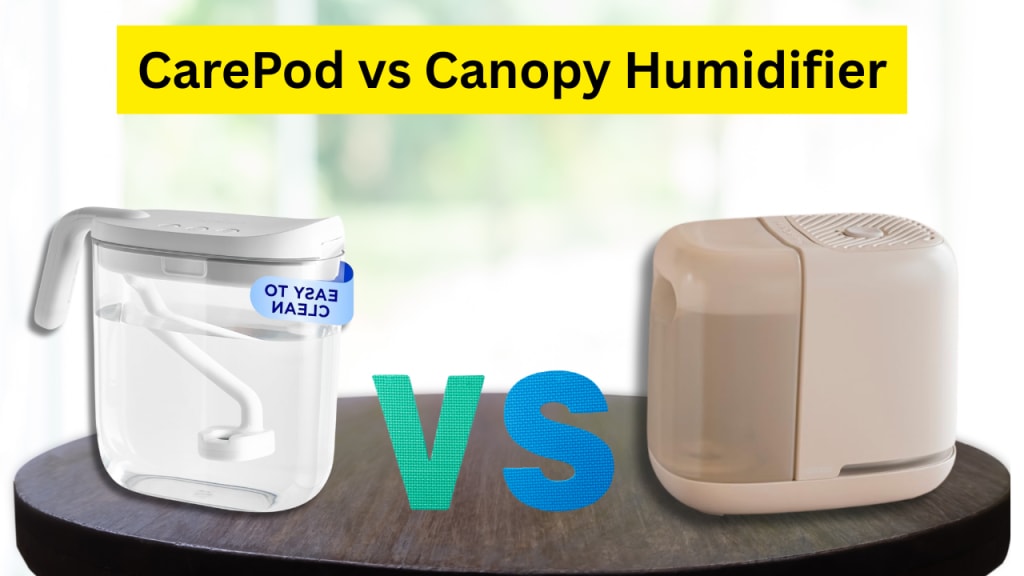
Dry air can make nights rough, and I notice it fast when my skin feels tight, or I wake up stuffy. When people ask about CarePod vs Canopy humidifier, I like breaking it down in plain terms, especially for U.S. homes where heating and AC run a lot.
I appreciate clear pros and cons, so here’s what stands out, what to watch for, and how to pick the one that fits your space. Keep reading to see which makes more sense for you.
Brand Profile
Carepod profile
Carepod has a strong reputation for people who want a simple, hygienic humidifier with minimal parts. I notice many U.S. users like how the stainless steel tank feels cleaner than plastic, especially during cold winters. It’s known for quiet performance and easy cleaning, though I like how it still asks for distilled water to avoid mineral issues.
Canopy profile
Canopy is well known for its design-first approach and focus on mold prevention through evaporative humidification. I appreciate how popular it is in U.S. bedrooms and apartments where space matters. Many users like the dishwasher-safe parts and filter system, but I notice mixed feedback on noise and moisture output on very dry days.
Carepod vs Canopy humidifier: Key Differences in Details
Humidification Technology: Ultrasonic Mist vs Evaporative No-Mist
Carepod uses ultrasonic technology that releases a visible cool mist. I like how the mist feels immediate, especially during dry winter nights when indoor heating pulls moisture from the air. I notice humidity rises fast in bedrooms, which helps with dry skin and congestion, but mist direction and placement matter to avoid damp spots.
Canopy works differently with an evaporative, no-mist system. Instead of visible vapor, it slowly adds moisture through airflow. I appreciate how this reduces concerns about airborne particles and white dust. It feels safer for consistent use, though I notice results take longer, which can matter on very dry days.
Build Quality and Design Approach: Stainless Steel vs Filter-Based Plastic
Carepod stands out for its stainless steel water tank. I like how solid and clean it feels compared to plastic tanks, especially for long-term use. The simple vase-style design blends well in bedrooms or nurseries, though it feels more function-first than decorative in modern spaces.
Canopy leans into design and lifestyle appeal. The plastic body feels lighter, and I notice features like the reading light and aroma option fit well on a bedside table. It looks modern, but the reliance on filters adds complexity that some people may not expect at this price point.
Cleaning and Maintenance Needs: Filter-Free Carepod vs Filter-Dependent Canopy
Carepod keeps cleaning simple with only three washable parts. I notice this saves time during weekly cleaning, which matters in busy households. There are fewer hidden corners, though I like that it still requires regular rinsing to avoid mineral residue if water quality isn’t ideal.
Canopy also makes cleaning easy with dishwasher-safe parts. I appreciate how convenient that feels, but the filter adds an extra step. Replacing it every few weeks becomes part of ownership, which can feel less hands-off even though mold prevention is a clear benefit.
Water Type Requirements: Distilled Water vs Tap Water Use
Carepod works best with distilled or RO water. I notice this helps prevent white dust and keeps the stainless tank cleaner, but buying distilled water regularly can feel inconvenient, especially in larger households or during long winter seasons.
Canopy is designed for tap water, which I like for daily ease. The filter handles minerals and impurities, reducing buildup inside the unit. Still, I notice filter costs add up over time, so convenience trades off with ongoing expenses.
Noise Levels and Nighttime Comfort: Quiet Operation vs Fan White Noise
Carepod runs quietly, and I notice the sound fades into the background at night. This works well for light sleepers or kids’ rooms. There is still a gentle operational sound, but it doesn’t distract once you settle in.
Canopy uses a fan system, so noise is more noticeable. I like how some people find it soothing as white noise, but it can feel louder in very quiet rooms. For sensitive sleepers, this difference can matter more than expected.
Humidity Output and Runtime: Long-Lasting Coverage vs Shorter Cycles
Carepod offers strong output with a larger tank for its size. I notice it can last through the night on lower settings and still raise humidity fast. On higher settings, though, placement becomes important to avoid moisture settling nearby.
Canopy focuses on steady evaporation rather than quick output. I appreciate the longer runtime in some modes, but humidity builds gradually. In very dry climates or during cold snaps, the slower pace may not feel sufficient overnight.
Room Coverage Options: Compact Rooms vs Expanded Size Models
Carepod fits best in small to mid-sized rooms like bedrooms, nurseries, or offices. I like how predictable the coverage feels within its range, though it isn’t meant for large open layouts or whole-floor humidification.
Canopy offers more flexibility with multiple size options. I notice this helps people match the humidifier to room size, including larger bedrooms. The bedside model works well for personal spaces, but performance still depends on airflow and placement.
Ongoing Cost and Ownership Experience: No Filters vs Regular Replacements
Carepod has a higher upfront price, but ownership feels simple. I notice there are no filters to replace, which keeps long-term costs predictable. The main trade-off is the need for distilled water, which adds a small recurring expense.
Canopy costs less upfront and feels accessible at first. I like the convenience features, but filter replacements become part of the budget. Over time, that can narrow the price gap, especially for year-round use in dry indoor environments.
User Review and Feedback
When I look at CarePod vs Canopy humidifier feedback across Amazon reviews and Reddit threads, a clear pattern shows up. I notice many people recommend Carepod for its easy cleaning, quiet performance, and fast humidity boost, especially during dry winter months in U.S. homes.
Canopy gets praise for mold control, no visible mist, and tap water use, which I like for everyday convenience. The most common concerns are Carepod’s need for distilled water and Canopy’s filter replacements, plus mixed opinions on fan noise and moisture strength.
Final Thoughts
When I compare CarePod vs Canopy humidifier, I notice each fits a different need. I like Carepod as a premium option for dry bedrooms and nurseries where quiet, fast humidity really matters, even if distilled water is required. Canopy works better as a budget-friendly choice for small spaces, especially if you prefer tap water and mold control. I appreciate choosing based on comfort, upkeep, and how dry your home feels.
FAQs
Which works better in very dry rooms?
Carepod adds moisture faster, which I notice helps during cold, dry winters.
Is Canopy really mold-resistant?
Canopy’s no-mist design helps limit mold, though filters still need care.
Which one is quieter at night?
Carepod runs quieter. I like that for bedrooms and nurseries.
Do I need special water for either?
Carepod works best with distilled water. Canopy uses tap water.
Which is the better value overall?
Canopy costs less upfront. Carepod feels premium for long-term comfort.
About the Creator
Mohammed mamun
Hi, I'm Mohammed Mamun — a chef, food blogger, and content writer with 15 years of experience in the culinary world. I specialize in honest reviews of home appliances and create simple, flavorful recipes for home cooks and food lovers alike
Keep reading
More stories from Mohammed mamun and writers in Lifehack and other communities.
Best Humidifier for Arizona: Top Picks for Comfort and Health
Dry air in Arizona can make sleep rough and leave skin and sinuses irritated quickly. A good humidifier for Arizona is one that adds steady moisture without noise, leaks, or extra hassle. I notice, after researching specs, real feedback, and climate needs, that desert homes benefit most from quiet units with consistent output and easy upkeep.
By Mohammed mamuna day ago in Lifehack
The Anatomy of a Hack: Modern Password Cracking Techniques and Defensive Strategies in 2026
The Evolving Battle for Digital Identity Passwords remain the primary gatekeepers to our personal, professional, and financial lives. However, the methods cybercriminals employ to bypass these protections have evolved dramatically. As we navigate 2026, hacking techniques have become more sophisticated, leveraging artificial intelligence, quantum computing concepts, and advanced social engineering. This article explores the current state of password hacking and provides actionable strategies to fortify your digital defenses.
By Alexander Hoffmann7 days ago in Lifehack



Comments
There are no comments for this story
Be the first to respond and start the conversation.