
Can You Plug a Surge Protector into Another Surge Protector? (Safety Explained)
Can you plug a surge protector into another surge protector? Discover the risks, safety tips, and expert advice in this easy-to-read guide for tech safety.

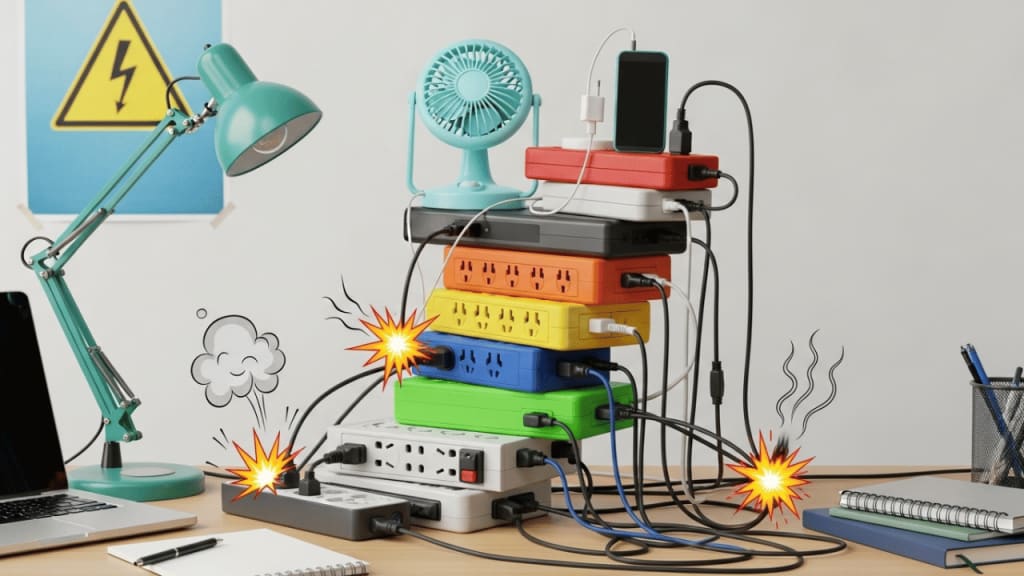
Can You Plug a Surge Protector into Another Surge Protector?
Yes, you can plug a surge protector into another surge protector — but should you? That's the real question. At first, it might seem like a smart move. You want more outlets, and daisy-chaining surge protectors looks like the perfect shortcut.
However, this practice can be very dangerous, leading to fires, overloads, and damage to your devices. In this guide, we’ll explore why this isn’t safe, what can happen, and better options to keep your tech protected, especially in homes, offices, and gaming setups.
Let’s dive into the details, using simple language and clear steps so everyone can understand.
What Is a Surge Protector?
A surge protector is a special type of power strip. Although both give you extra outlets, surge protectors add something extra: protection against electrical surges.
- When a surge happens (like from lightning or sudden power changes), voltage spikes.
- These spikes can fry your electronics.
- Surge protectors “absorb” or block extra voltage, keeping your devices safe.
Popular brands include Belkin, Tripp Lite, and APC, and they’re used everywhere — from homes to data centers.
What Happens When You Plug One Surge Protector Into Another?
Plugging one surge protector into another is called "daisy-chaining." While it seems helpful, this setup can cause problems quickly.
🔥 Fire Hazards
One of the biggest risks is fire. Electrical circuits can only handle so much power. If too many devices are plugged in, wires can overheat. Many fires have been reported by agencies like the National Fire Protection Association (NFPA) due to the misuse of power strips.
⚡ Overloading the Circuit
Think of electricity like water in pipes. If you try to push too much water through, things burst. That’s similar to electricity. Too many devices — especially large ones like refrigerators or gaming PCs — put stress on the circuit.
🔌 Tripping the Breaker
Sometimes, daisy-chaining causes your home’s electrical breaker to trip. While this is better than a fire, it’s still a sign of too much load and something that should not be ignored.
Why Is It Unsafe According to Experts?
Several safety organizations warn against plugging surge protectors into one another:
- Underwriters Laboratories (UL): UL certifies safe electronics. Most UL-listed surge protectors clearly state not to daisy-chain.
- Occupational Safety and Health Administration (OSHA): OSHA prohibits chaining surge protectors in workplaces.
- Electrical Code Regulations: Many housing and safety codes consider this setup a violation.
Even tech forums and electricians worldwide agree: the risks outweigh the convenience.
Better Ways to Manage Your Power Needs
Instead of chaining surge protectors, try these safer alternatives:
1. Use a Higher-Capacity Surge Protector
Brands like APC offer 12-outlet surge protectors with proper spacing. These allow more devices without needing a second strip.
2. Use a Power Distribution Unit (PDU)
For offices or gaming setups, PDUs are designed to handle larger loads safely. They're used in data centers and tech hubs, offering both space and safety.
3. Call an Electrician
If you constantly need more outlets, it's smarter to have additional outlets installed in your wall. It may cost a bit more up front, but it saves you from future risks and hassle.
Common Places Where Daisy-Chaining Happens
It’s good to be aware of where this issue often pops up. That way, you can stop it before it becomes a problem.
- Home offices with printers, monitors, and chargers
- Gaming setups with consoles, PCs, and audio gear
- Classrooms or studios with multiple devices
- Kitchens with microwaves, blenders, and coffee makers
In these areas, devices pull a lot of power, so surge protector safety matters even more.
Can You Plug a Surge Protector into a Power Strip?
This is a slightly different setup, and still not recommended.
Even if only one protector is used, plugging it into a cheap power strip can be risky:
- The strip might not handle the extra load.
- Many strips don't have safety certifications
- Devices can still be unprotected from surges.
Always use a certified surge protector directly into the wall.
Can You Plug a Power Strip into a Surge Protector?
While safer than daisy-chaining surge protectors, you should still be careful.
- Avoid plugging high-power devices (like heaters) into the strip.
- Check the total wattage of devices plugged in.
- Read the manufacturer's label to see what’s allowed.
Most surge protectors can handle small loads from a power strip, but it’s best to keep things simple and direct.
Signs Your Surge Protector Might Be Overloaded
Even if you don’t daisy-chain, your surge protector could still be working too hard. Look for these signs:
- It feels hot to the touch.
- You smell burning plastic.
- Your devices randomly turn off.
- Lights flicker nearby.
If any of these happen, unplug everything immediately and replace the surge protector.
Tips to Stay Safe When Using Surge Protectors
Here are some easy ways to stay safe:
✅ Always plug surge protectors directly into the wall. ✅ Read warning labels and follow manufacturer instructions. ✅ Replace old surge protectors — especially if they’re over 5 years old. ✅ Never cover them with rugs or cloths. ✅ Don’t use them in wet areas, like bathrooms or near sinks. ✅ Make sure your surge protector has UL or ETL certification.
Conclusion
Can you plug a surge protector into another surge protector? Technically, you can — but you absolutely should not. Daisy-chaining might give you more outlets, but it invites overloads, electrical fires, and risky setups. Instead, choose safer options like using a high-capacity surge protector, installing extra outlets, or exploring PDUs.
Surge protectors are designed to protect, not to become overloaded junctions. Let them do their job safely, and your devices will thank you.
Related Surge Protector Reviews
Best Surge Protector for Gaming PC
Best Surge Protector for Refrigerator
Best Single Outlet Surge Protector
Best APC Battery Backup Surge Protector
Cheap Surge Protector Power Strip
Best Outdoor Surge Protector Waterproof
FAQ: Surge Protector Safety
❓ Can I plug a power strip into a surge protector?
Yes, but make sure it’s used carefully and doesn’t exceed the recommended load.
❓ What’s the difference between a surge protector and a power strip?
Power strips add extra outlets; surge protectors include safety features to block voltage spikes.
❓ How do I know if my surge protector still works?
Check the indicator light. If it's off, the unit may no longer be protecting against surges.
❓ Is it safe to use two surge protectors in one room?
Yes — as long as they’re not plugged into each other or drawing too much total power.
About the Creator
Surge Protector Mart
🔌 Surge Protector Power Mart—your trusted source for expert insights on power protection! Discover everything from safety tips to in-depth reviews and comparisons to keep your devices secure and your setup smart.
Keep reading
More stories from Surge Protector Mart and writers in Lifehack and other communities.
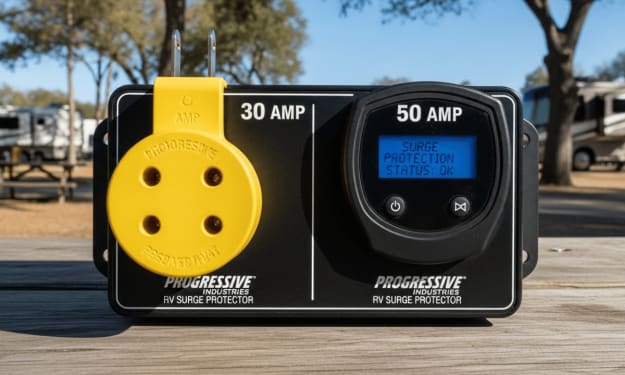
Best RV Surge Protector 30 Amp/50 Amp (Top Picks for Safe RVing)
Best RV Surge Protector 30 Amp/50 Amp The best RV surge protector 30 amp/50 amp is more than just a gadget—it’s your RV’s shield against dangerous power surges. Whether you're parked at a campground or plugged into a new power pedestal, electrical spikes can damage your appliances, fry your electronics, and even start fires. That’s why choosing the right surge protector is essential.
By Surge Protector Mart6 months ago in Lifehack
The Consequence of Greed
Snowfall had turned the lush green trees of the forest completely white. It was the heart of winter, and as soon as the snow began to fall, a deep silence spread through the jungle. The animals who had wisely stored food before the cold arrived were now resting comfortably in their homes, eating and drinking without worry. But those who had made no preparations were shivering in the freezing weather, wandering around in search of food.
By Sudais Zakwan6 days ago in Lifehack
The Hidden Traps in UK VAT That Cost Small Businesses Thousands
Every year, thousands of UK small businesses face unexpected tax bills, penalties, and sleepless nights over VAT mistakes they didn't even know they were making. The numbers tell a sobering story: HMRC issued over £800 million in VAT penalties in 2023 alone, with small businesses bearing a disproportionate share of that burden.
By Saifullah Awan 23 days ago in Lifehack
Autonomy Is The Real Privilege
Good morning, freedom-seekers! Today we’re gonna be looking at autonomy. A strange word, I know; one many would probably look at blankly and run away from on sight. We’re gonna figure out what it actually means, consider how it’s achieved, and decipher just how deeply most of us are tangled up in dependence without realising it.
By That ‘Freedom’ Guy3 days ago in Humans



Comments
There are no comments for this story
Be the first to respond and start the conversation.