
Can You Imagine That? 110 Years of Happy, Healthy, Active Life
Unlocking a Century of Vitality: The Science, Lifestyle, and Societal Shifts for 110 Years of Thriving

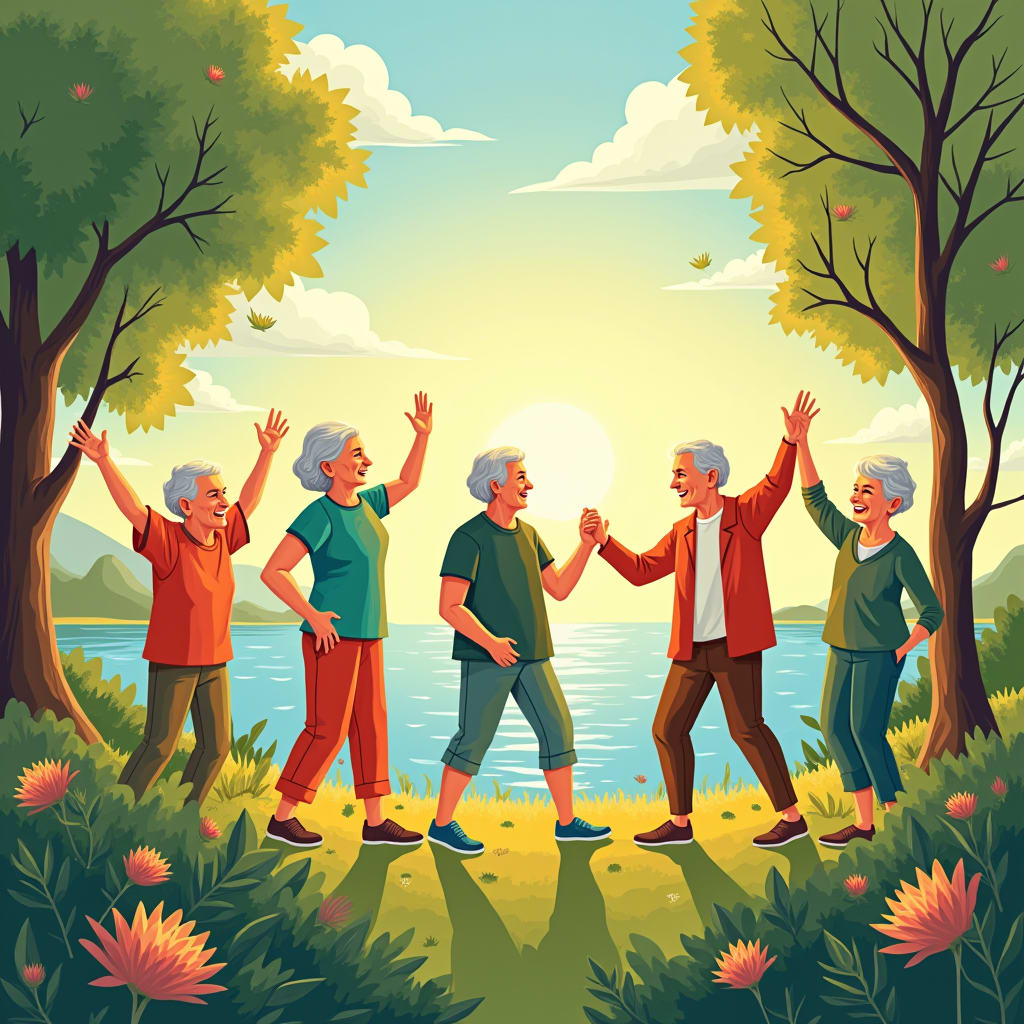
The idea of living to 110 years old—vibrant, healthy, and engaged—sounds like science fiction. Yet, centenarians like Barbara Fleischman, a 100-year-old art collector who still organizes cultural events and works out, challenge our assumptions about aging. While genetics play a role, mounting evidence suggests that lifestyle choices are the cornerstone of longevity. This article explores the science, habits, and societal shifts that could make a 110-year "healthspan" a reality, while also addressing the myths and challenges surrounding extreme longevity.
The Science of Longevity: More Than Just Luck
1. Diet: The Foundation of Cellular Health
A plant-forward diet, such as the Mediterranean or Japanese dietary patterns, is consistently linked to longevity. These diets emphasize vegetables, fruits, whole grains, legumes, and healthy fats like olive oil, while minimizing processed foods, red meat, and added sugars. For example, a 2024 study found that adherence to the Mediterranean diet reduced all-cause mortality by 23%. Such diets protect cells from oxidative damage, reduce inflammation, and lower risks of chronic diseases like diabetes and heart disease.
Key strategies include:
- Swapping red meat for fish: Linked to preventing up to 750,000 deaths by 2050.
- Limiting salt: Salt substitutes may reduce cardiovascular mortality .
- Embracing flexibility: A "nutrient-specific pattern" tailored to personal preferences ensures sustainability.
Discover the Ancient, Oriental Secret to Restoring Perfect Health
2. Exercise: Moving Toward a Longer Life
Physical activity is a non-negotiable pillar of longevity. The 2018 Physical Activity Guidelines recommend 150 minutes of moderate exercise weekly, such as walking or gardening, to strengthen cardiovascular health, improve balance, and maintain muscle mass. Even small increases in activity—like adding a 30-minute walk—can extend life expectancy by years, particularly for sedentary individuals. Studies also highlight exercise’s role in reducing DNA damage in blood vessels and reversing age-related fat accumulation in muscles. For older adults, balance exercises (e.g., standing on one leg) are critical for preventing falls, a leading cause of injury-related death post-65.
3. Social Connections: The Overlooked Lifesaver
Loneliness is as deadly as smoking 15 cigarettes a day. Research shows that socially active individuals are 41% more likely to reach 85, with frequent socializers enjoying even greater survival odds. Strong relationships reduce stress, encourage healthier habits (e.g., shared meals or walks), and provide emotional resilience. Barbara Fleischman attributes her longevity to lifelong friendships and collaborative work, underscoring the power of community.
4. Sleep, Hydration, and Mindset
- Sleep: Poor sleep correlates with chronic conditions like heart disease and weakened immunity. Adults need 7–9 hours nightly for cellular repair.
- Hydration: Well-hydrated individuals develop fewer chronic diseases and live longer.
- Optimism: A positive outlook is linked to longer lifespans, with studies showing happier individuals manage stress better and adopt healthier behaviors.
5. Avoiding Harmful Habits
Smoking and excessive alcohol consumption remain top preventable killers. Quitting smoking at any age adds years to life, while moderating alcohol (≤1 drink/day for women, ≤2 for men) reduces liver and cancer risks.
Real-Life Centenarians: Lessons from Those Who’ve Thrived
Barbara Fleischman’s story illustrates how lifestyle choices intersect with privilege and purpose. Despite moving to assisted living at 100, she stays active by hosting lectures and exercising with a trainer. Her three "secrets" align with research:
- Staying busy and curious: Continuous learning preserves cognitive function.
- Prioritizing fitness: Balance training prevents falls, a major longevity threat.
- Cultivating relationships: Her philanthropic work built a network of support and joy.
Other studies echo these findings. Okinawans, known for their longevity, practice ikigai (a sense of purpose) and maintain close-knit communities. Similarly, Sardinian shepherds attribute their health to daily physical labor and plant-based diets.
Discover the Ancient, Oriental Secret to Restoring Perfect Health
The Challenges: Why 110 Isn’t Guaranteed
1. Genetics vs. Lifestyle
While 25% of lifespan variation is genetic, the rest hinges on lifestyle. However, even optimal habits can’t override biological aging. As Harvard’s Will Mair notes, modern medicine has extended life expectancy but not slowed cellular aging. Chronic diseases like Alzheimer’s or heart failure often cluster in later years, diminishing quality of life.
2. The Myth of Extreme Longevity
Many supercentenarian claims (ages 110+) lack verifiable proof. Jiroemon Kimura’s birth records are disputed, and Jeanne Calment’s smoking-for-a-century story raises skepticism. Fraudulent cases, like Venezuela’s Juan Pérez, highlight the difficulty of validating extreme ages in regions with poor record-keeping.
3. Healthspan vs. Lifespan
Adding years isn’t enough if they’re marred by disability. The goal is healthspan—living disease-free for as long as possible. This requires addressing age-related inflammation, cellular senescence, and metabolic decline through both lifestyle and emerging therapies like senolytics.
The Future: Could 110 Become the New 80?
Advances in biotechnology and public health offer hope. Research into fasting-mimicking diets, NAD+ boosters, and gene editing (e.g., CRISPR) aims to slow aging processes. Meanwhile, cities are adopting “blue zone” principles—promoting walkability, social hubs, and access to fresh food—to foster community-wide longevity.
Yet, societal inequities remain a barrier. Access to nutritious food, safe exercise spaces, and healthcare is uneven, disproportionately affecting marginalized groups. Bridging these gaps is essential for democratizing longevity.
Conclusion: A 110-Year Life Is Possible—With Caveats
Living to 110 in good health is no longer a fantasy, but it demands intentionality. A blend of plant-based nutrition, daily movement, strong social ties, and mental resilience forms the bedrock of longevity. However, individual efforts must be supported by systemic changes to healthcare, urban design, and food systems. While science may one day unlock radical life extension, for now, the secret to a century of vitality lies not in futuristic tech, but in timeless habits—proven, practical, and within reach for most.
As Barbara Fleischman reminds us: “I’ve just been a lucky lady… with great daughters, wonderful friends, and interesting activities”. Perhaps luck favors those who cultivate it—one healthy choice at a time.
Discover the Ancient, Oriental Secret to Restoring Perfect Health
About the Creator
7" Simple Daily Habits that can change your life
7 Simple Daily Habits That Can Change Your Life Life can often feel overwhelming. With endless responsibilities, constant notifications, and the pressure to succeed, it’s easy to lose track of what really matters. But the good news is, making small, consistent changes in your daily routine can have a huge impact on your overall well-being, happiness, and productivity. Here are seven simple daily habits that, if practiced consistently, can truly change your life. 1. Wake Up Early
By Kawtar Aithammouabout 6 hours ago in Lifehack
How Big Game Hunting in Namibia Supports Wildlife Conservation
Namibia is widely recognized as one of Africa’s greatest wildlife conservation success stories. Unlike many countries where wildlife populations have declined, Namibia has seen steady growth in key species such as elephant, black rhino, lion, and plains game. A major reason behind this success is the country’s carefully regulated big game hunting namibia model, which directly supports conservation, habitat protection, and rural livelihoods.
By Aru Game Lodges 5 days ago in Lifehack




Comments
There are no comments for this story
Be the first to respond and start the conversation.