
Can Solar Panels and Batteries Provide Backup Power During a Power Cut in the UK?
Ensuring Power Security: How Solar Panels and Batteries Keep Your Home Running During UK Power Cuts

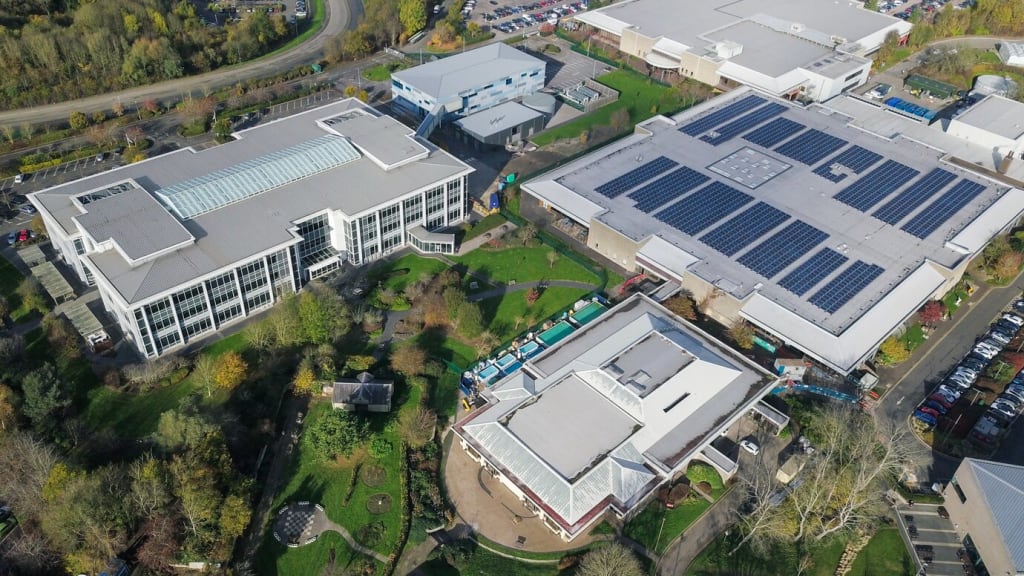
Power cuts can happen unexpectedly, leaving us in the dark and without access to essential appliances. Whether caused by weather, maintenance, or unforeseen issues, power outages can disrupt your daily life. For homeowners in the UK, relying on solar panels and batteries is increasingly becoming a viable solution to ensure continued access to electricity during these times.
But the question remains: Can solar panels and batteries provide backup power during a power cut? Let’s explore how these systems work and whether they can keep your home powered when you need it most.
How Solar Panels Work During a Power Cut
Solar panels generate electricity by converting sunlight into power. However, in the event of a power cut, grid-tied solar systems typically do not work. This is because these systems are designed to shut off automatically when the grid goes down. The reason for this is safety—if electricity from your solar panels were to flow back into the grid during an outage, it could endanger repair workers who are fixing the lines.
The Role of Solar Batteries in a Power Cut
Solar batteries are a crucial component of your solar energy setup, allowing you to store excess energy generated by your solar panels for later use. This stored energy can be used during the evening or on cloudy days when the solar panels aren't producing as much power. However, the capability of your solar battery system to supply power during a power cut depends on the system design.
1. Grid-Tied Solar Battery Systems (Without Backup)
The most common type of solar battery system in the UK is a grid-tied system. In this setup, the battery stores excess energy produced by your solar panels and feeds it back to the grid when your home doesn't need it. However, when there’s a power cut, the system shuts down to prevent power from flowing back to the grid.
With this setup, you won’t have power during a power cut unless you have an additional backup feature.
2. Hybrid Solar Systems (With Backup Power)
Hybrid solar systems are designed to provide backup power during a power cut. Unlike grid-tied systems, these systems are equipped with backup inverters that allow your home to remain powered even when the grid is down. When an outage occurs, the system disconnects from the grid and uses stored energy in your battery to supply power to your home.
This backup capability ensures that your essential devices, such as lights, heating, or a refrigerator, can continue to run during an outage.
3. Off-Grid Solar Systems
For homeowners living in remote areas or those seeking complete energy independence, off-grid solar systems are available. These systems rely entirely on solar energy stored in batteries, and they are not connected to the main grid. With an off-grid system, you can have backup power at all times, but the system must be sized appropriately to meet your energy needs.
How Long Can Solar Batteries Power Your Home During an Outage?
The duration that solar batteries can provide backup power during a power cut depends on a variety of factors:
Battery Capacity: Larger batteries store more energy and can provide power for a longer period.
Energy Consumption: The more energy you consume during the outage, the quicker the battery will drain. Essential appliances like lights and fridges require much less energy than, say, air conditioning or a dishwasher.
Solar Generation: If the sun is shining, your solar panels will continue to produce electricity, which can supplement the battery and extend the backup power.
For example, if you have a 10 kWh battery, and you’re only running a few essential devices (e.g., lights and refrigerator), your battery could last for several hours or even days, depending on your consumption and the amount of solar energy your system generates.
Can You Customize Your Solar Battery for Power Cut Protection?
Yes! You can customize your solar battery system to ensure that it supports your needs during a power cut. Here’s how:
Install a Critical Load Panel: This allows you to choose which circuits in your home are powered by the battery during a power cut. You can select essential appliances, like lights, heating, or medical equipment, to be connected to the backup system.
Choose a Battery Size That Meets Your Needs: The size of your battery determines how much power it can store. If you want to keep your entire home powered, you’ll need a larger battery, but if you only need to keep certain devices running, a smaller battery may suffice.
Monitor Your Energy Use: With today’s advanced smart systems, you can monitor and control your energy use, ensuring that the most critical appliances are powered during an outage and conserving energy wherever possible.
What Are the Benefits of Having a Solar Battery for Power Cut Protection?
Energy Independence: By having a battery system in place, you reduce your dependence on the grid, ensuring that you have power no matter what happens to the main supply.
Cost Savings: Solar batteries allow you to store energy when electricity prices are low (e.g., during the day when your solar panels are producing excess power) and use it when energy prices are high, helping to reduce your electricity bills.
Eco-Friendly: By relying on solar energy, you're making your home more sustainable and reducing your carbon footprint, even during a power cut.
Peace of Mind: Knowing that your home will remain powered during an outage gives you peace of mind, especially during emergencies or severe weather events.
How to Set Up Your Solar Battery for Power Cut Protection
To ensure that your solar battery provides backup power during a power cut, you’ll need to:
Work with a Professional Installer: Make sure to choose an installer who specializes in hybrid or backup systems. They can help you design a system that meets your needs and ensure proper installation.
Choose the Right System: Depending on your energy usage and the duration you want to stay powered, choose a battery system with the appropriate size and capacity.
Ensure Proper Maintenance: Like any other system, solar batteries need maintenance. Regular checks and servicing will ensure your system is always ready to provide power during an outage.
Final Thoughts
Solar panels, in combination with batteries, can offer significant benefits in terms of energy independence and protection during a power cut in the UK. However, it’s important to note that not all solar systems are equipped to provide backup power during an outage. If you want to be sure that you have access to electricity during a power cut, opting for a hybrid solar system with backup capability is your best bet.
Whether you’re interested in powering your home during an outage or reducing your reliance on the grid, installing a solar battery with backup functionality is a smart investment. Speak to a professional solar installer today to explore your options and ensure that you have the backup power you need when the lights go out.
FAQ
Q: Can I use solar power during a power cut?
A: If you have a hybrid solar system with backup power, you can continue using solar power during a power cut. If you have a grid-tied system without backup, your solar panels will shut down during an outage.
Q: How long will my solar battery last during a power cut?
A: The duration depends on the size of your battery and the energy usage of your home. A larger battery can provide backup power for a longer period.
Q: Is a hybrid solar system more expensive?
A: Yes, hybrid systems with backup capabilities tend to be more expensive than standard grid-tied systems. However, the added cost provides security and independence during power cuts.
Q: Can I retrofit my existing solar system with backup power?
A: Yes, it is possible to retrofit a hybrid inverter and backup battery to an existing solar system, but it’s important to consult a professional to determine the best solution.
About the Creator
Max Tern
Max tern, being a technical writer, likes to research and write technology articles and solutions to help others
How to Build a Home Gym You’ll Actually Use (Not One That Collects Dust)
Building a home gym sounds simple: buy some equipment, set it up, and train whenever you want. In reality, many home gyms end up unused after the initial excitement fades. The problem usually isn’t motivation or discipline—it’s design.
By Enrique Navarro5 days ago in Lifehack
The Nutrient Gap No One Talks About When It Comes to Focus and Attention
Key Takeaways Taking the proper nutrients helps maintain optimal body function. The vagus nerve is a vital component in the connection between the brain and the gut. The right supplements, such as Neupril Pure Methylfolate, play a key role in helping clear brain fog.
By Tess DiNapoli3 days ago in Lifehack


Comments
There are no comments for this story
Be the first to respond and start the conversation.