
Can Pilates Build Muscle? 💪🤔
Pilates exercises typically involve controlled movements, precise breathing techniques, and a strong emphasis on proper form.

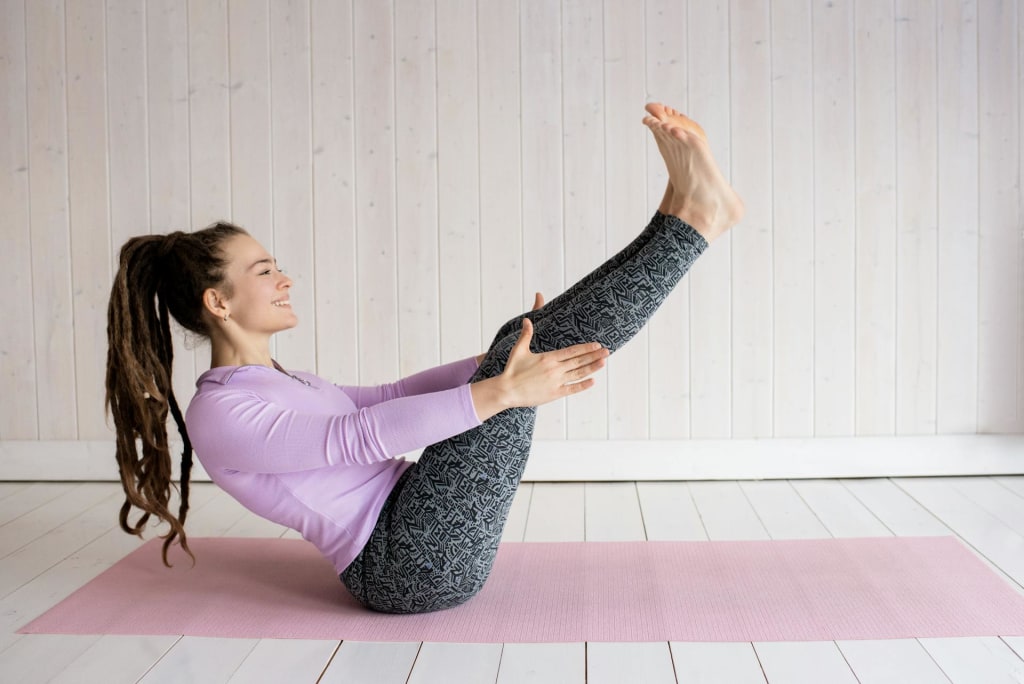
If you're looking to shake up your fitness routine or find a new way to strengthen your body, you might have heard about Pilates. But can this popular exercise method really help you build muscle?
Let's dive into the world of Pilates and explore its muscle-building potential! 🧘♀️
What is Pilates? 🤸♂️
First things first: Pilates is a low-impact exercise system developed by Joseph Pilates in the early 20th century. It focuses on core strength, flexibility, and overall body awareness.
Pilates exercises typically involve controlled movements, precise breathing techniques, and a strong emphasis on proper form.
The Muscle-Building Basics 🏋️♀️
Before we delve into Pilates specifically, let's quickly review how muscle building works. To increase muscle mass, you generally need three key elements:
1. Progressive overload: Gradually increasing the demand on your muscles
2. Adequate protein intake: Providing the building blocks for muscle repair and growth
3. Proper rest and recovery: Allowing your muscles to heal and grow stronger
Now, let's see how Pilates stacks up against these criteria.
Pilates and Muscle Building: The Truth 🔍
While Pilates isn't typically associated with bulking up like weightlifting is, it can indeed contribute to muscle development. Here's how:
1. Core Strength 🦵
Pilates is renowned for its focus on the core muscles. The constant engagement of your abdominals, lower back, and pelvic floor muscles during Pilates exercises can lead to significant strengthening and toning of these areas.
While you may not develop six-pack abs solely through Pilates, you'll likely notice increased definition and strength in your core muscles.
2. Lean Muscle Development 💪
Pilates exercises often involve bodyweight resistance and sometimes incorporate equipment like the Reformer or resistance bands. These exercises can help build lean muscle mass throughout your body, particularly in the arms, legs, and back.
The continuous tension and controlled movements in Pilates can effectively challenge your muscles, promoting strength and endurance.
3. Muscle Activation and Mind-Body Connection 🧠
One of the unique aspects of Pilates is its emphasis on the mind-body connection. By focusing intensely on each movement and engaging specific muscle groups, you can improve muscle activation.
This increased awareness and control can lead to more effective muscle engagement in all your activities, potentially enhancing overall muscle development.
4. Complementary to Other Strength Training 🏋️♂️
While Pilates alone may not give you bodybuilder-level muscle mass, it can be an excellent complement to traditional strength training.
The core strength, flexibility, and body awareness developed through Pilates can improve your performance in other muscle-building activities, leading to better overall results.

Limitations of Pilates for Muscle Building 🚫
It's important to understand that Pilates does have some limitations when it comes to building significant muscle mass:
1. Lack of Heavy Resistance: Most Pilates exercises don't provide the level of resistance necessary for substantial muscle hypertrophy (increase in muscle size).
2. Limited Progressive Overload: While you can increase the difficulty of Pilates exercises, the progression may not be sufficient for continuous muscle growth compared to weightlifting.
3. Focus on Endurance: Pilates often emphasizes endurance over pure strength, which may limit muscle size gains.
Boost Your Muscle Building with Testodren™ 💪
While Pilates is fantastic for building core strength, flexibility, and overall body awareness, you might want to consider additional support to maximize your muscle-building potential. That's where Testodren™ comes in.
Testodren™ is a 100% natural, clinically-proven testosterone booster that can help you enhance your physique, strength, and stamina.
With its U.S. patented formula, Testodren™ has been shown to increase free testosterone levels by up to 72.87% in just 12 weeks! 🌟
Here’s how Testodren™ can complement your Pilates routine:
Increased Energy and Stamina: Feel more energized throughout the day, allowing you to train harder and longer with more strength and stamina.
Enhanced Muscle Growth: Achieve better results from your workouts, build muscle faster, and recover quicker with less soreness.
Improved Focus and Motivation: Boost your mental alertness, focus, and motivation to stay on task and get more done, both in the gym and in your daily life.
Safe and Natural: Made with a patented compound derived from Fenugreek, Testodren™ is free from negative side effects and contains no gluten, soy, eggs, dairy, wheat, sugar, or preservatives.
So, if you’re looking to support your muscle-building journey and enhance your overall performance, give Testodren™ a try. 🏋️♂️✨

Click here to place your order today!
Maximizing Muscle Building with Pilates 🔝
If you're interested in using Pilates to support muscle building, here are some tips:
1. Incorporate Resistance: Use Pilates equipment like the Reformer or add resistance bands to increase the challenge.
2. Combine with Strength Training: Use Pilates as a complement to a traditional strength training program for best results.
3. Focus on Form: Proper form in Pilates ensures you're engaging the right muscles effectively.
4. Increase Intensity: As you progress, try more advanced Pilates exercises to continue challenging your muscles.
5. Maintain Proper Nutrition: Ensure you're consuming enough protein and calories to support muscle growth.
Who Can Benefit from Pilates for Muscle Strengthening? 👥
Pilates can be particularly beneficial for:
1. Beginners: Those new to fitness can build a strong foundation of core strength and body awareness.
2. Older Adults: The low-impact nature of Pilates makes it suitable for maintaining and building muscle mass in older individuals.
3. Athletes: Many athletes use Pilates to improve core strength, flexibility, and overall performance in their sport.
4. Rehabilitation: People recovering from injuries can use Pilates to safely rebuild strength and improve mobility.
Frequently Asked Questions (FAQs)
Is Pilates as good as lifting weights?
Short answer: No, not for building significant muscle mass or strength.
Detailed answer:
Pilates and weight lifting serve different purposes and have distinct strengths:
1. Muscle building: Weight lifting is superior for building significant muscle mass and strength, especially in large muscle groups. It allows for easier progressive overload, which is crucial for muscle growth.
2. Core strength: Pilates often surpasses weight lifting in developing core strength, stability, and overall body awareness.
3. Flexibility: Pilates typically improves flexibility more than traditional weight lifting.
4. Impact: Pilates is low-impact, making it gentler on joints and suitable for a wider range of people.
5. Functional fitness: Pilates emphasizes whole-body movements and can improve overall functional fitness and posture.
6. Mind-body connection: Pilates places a stronger emphasis on the mind-body connection and breath control.
While Pilates is excellent for core strength, flexibility, and body awareness, it generally can't match the muscle-building and strength-increasing potential of weight lifting.
What builds more muscle yoga or Pilates?
Short answer: Generally, Pilates builds slightly more muscle than yoga.
Detailed answer:
Both Pilates and yoga can contribute to muscle toning, but Pilates may have a slight edge in muscle building:
1. Resistance: Pilates often incorporates more resistance, especially when using equipment like the Reformer.
2. Core focus: Both build core strength, but Pilates typically has a more intense core focus.
3. Consistency: Pilates exercises tend to be more consistent across classes, potentially allowing for more progressive overload.
4. Equipment: Pilates with equipment can provide more resistance for muscle building than most yoga practices.
5. Variations: Some yoga styles (like Ashtanga or power yoga) may build more overall muscle than gentler forms of yoga or Pilates.
However, the difference is often minimal, and both practices primarily focus on toning rather than significant muscle growth.
How long does it take to build muscle with Pilates?
Short answer: Noticeable improvements in muscle tone can typically be seen in 6-8 weeks of consistent practice.
Detailed answer:
The time it takes to build muscle with Pilates varies based on several factors:
1. Frequency: Practicing 2-3 times a week will yield faster results than once a week.
2. Intensity: More challenging workouts will build muscle faster.
3. Diet: Proper nutrition, especially adequate protein intake, is crucial for muscle building.
4. Starting fitness level: Beginners may see changes sooner than those already fit.
5. Consistency: Regular practice is key for continuous improvement.
6. Type of Pilates: Equipment-based Pilates may build muscle faster than mat Pilates.
7. Individual factors: Age, genetics, and hormonal balance can all affect muscle-building speed.
While you might start noticing improved muscle tone within 6-8 weeks, significant muscle growth could take several months or more of dedicated practice.
Can Pilates replace gym?
Short answer: It depends on your fitness goals, but for most people, Pilates alone may not fully replace a gym routine.
Detailed answer:
Whether Pilates can replace the gym depends on your specific fitness objectives:
1. Strength training: If your goal is significant muscle growth or heavy strength training, Pilates alone is likely insufficient.
2. Cardiovascular fitness: Pilates provides some cardio benefits but may not replace dedicated cardio workouts for heart health.
3. Flexibility and core strength: Pilates can certainly replace gym work for these aspects.
4. Weight loss: While Pilates can support weight loss, it may not burn as many calories as some high-intensity gym workouts.
5. Functional fitness: Pilates is excellent for improving overall functional fitness.
6. Equipment variety: Gyms offer a wider variety of equipment, which Pilates studios may not match.
For many people, Pilates can provide a well-rounded fitness routine, but it's often best combined with other forms of exercise for comprehensive fitness.
Can Pilates be your only exercise?
Short answer: While Pilates offers many benefits, it's generally recommended to include other forms of exercise for optimal overall health.
Detailed answer:
Pilates can be a primary form of exercise, but consider these points:
1. Cardiovascular health: Pilates may not provide enough cardiovascular exercise for optimal heart health.
2. Variety: Doing only Pilates might lead to plateaus in fitness gains over time.
3. Bone density: Weight-bearing exercises, which some forms of Pilates lack, are important for bone health.
4. Muscle building: If significant muscle growth is a goal, Pilates alone may not be sufficient.
5. Functional fitness: Pilates can provide good overall functional fitness for daily activities.
6. Mental health: While Pilates offers mental health benefits, other forms of exercise like outdoor activities might provide additional psychological boosts.
A well-rounded fitness routine typically includes a mix of strength training, cardiovascular exercise, and flexibility work. Consider complementing Pilates with other activities for optimal overall health.
Will Pilates bulk me up?
Short answer: No, Pilates is unlikely to bulk you up significantly.
Detailed answer:
Pilates is designed to create lean, toned muscles rather than bulk:
1. Resistance levels: Pilates typically uses body weight or light resistance, which is generally not enough to cause substantial muscle hypertrophy.
2. Focus on lean muscle: Pilates aims to create long, lean muscles rather than bulky ones.
3. Endurance vs. strength: Many Pilates exercises focus more on muscular endurance than pure strength, which tends to create toned rather than bulky muscles.
4. Core emphasis: While your core will become stronger and more defined, it's unlikely to become bulky.
5. Low impact: The low-impact nature of Pilates makes it difficult to achieve the kind of muscle stress needed for significant bulking.
6. Caloric burn: Pilates typically doesn't burn as many calories as high-intensity workouts, making it harder to achieve the caloric surplus often needed for bulking.
In general, Pilates will help you develop a strong, toned physique rather than a bulky one. If your goal is to significantly increase muscle size, you'd likely need to incorporate heavy resistance training and adjust your diet accordingly.
The Verdict 🏆
So, can Pilates build muscle? The answer is yes, but with some caveats. While Pilates can certainly strengthen and tone your muscles, particularly in the core, it may not be the most efficient method for building significant muscle mass.
However, its benefits in terms of core strength, flexibility, and body awareness make it an excellent addition to any fitness routine.
Remember, the best exercise program is one that you enjoy and can stick to consistently. If you find Pilates engaging and challenging, it can be a valuable part of your muscle-building journey. Consider combining it with other forms of resistance training for optimal results.
Whether you're looking to tone up, improve your posture, or complement your existing workout routine, Pilates offers a unique and effective approach to fitness.
So why not give it a try?
You might just discover a new favorite way to strengthen your body and mind! 🧘♀️💪
About the Creator
Arif Chowdhury
Curious explorer of knowledge, devouring new topics and sharing my discoveries through writing.
Reader insights
Nice work
Very well written. Keep up the good work!
Top insight
On-point and relevant
Writing reflected the title & theme
Keep reading
More stories from Arif Chowdhury and writers in Lifehack and other communities.
Building Muscle After 40: It's Never Too Late to Get Stronger! 💪
As we age, our bodies undergo various changes, but that doesn't mean we have to give up on our fitness goals. Whether you're a man or woman over 40, building muscle is not only possible but also crucial for maintaining overall health and vitality.
By Arif Chowdhuryabout a year ago in Lifehack



Comments (1)
Thanks for the recommendation