
🔥 Burning Oil and Burning Capital: What Sam Altman’s Cooking Blunder Says About Silicon Valley’s Spending Habits
When the CEO of OpenAI uses the wrong olive oil, is it just a culinary mistake—or a metaphor for tech’s careless relationship with resources?

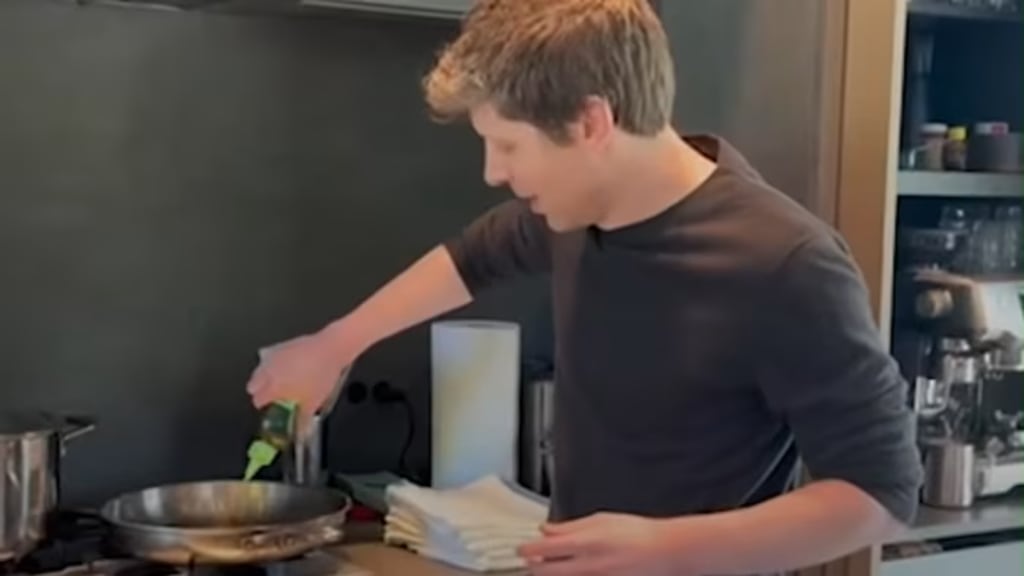
In a recent feature from the Financial Times’ widely read “Lunch with the FT” series, Sam Altman, CEO of OpenAI, invited a reporter into his home for a casual cooking session. What started as a light-hearted look into the personal life of one of Silicon Valley’s most prominent figures quickly turned into an unintentional case study on modern tech culture, thanks to a simple cooking misstep.
While preparing pasta and salad, Altman reached for a bottle of olive oil to sauté garlic. The twist? He grabbed Graza’s “Drizzle” olive oil, a product specifically made for cold applications, rather than the nearby “Sizzle” bottle designed for cooking. For culinary insiders, this is more than a gaffe—it’s a mild offense to gastronomic sensibility. But for the Financial Times, it also served as a metaphor for something much bigger: the way Silicon Valley burns through its resources.
🫒 The Culinary Mistake, Explained
To the uninitiated, this may seem trivial. But to foodies—or even casual Instagram chefs—the difference between Graza’s “Drizzle” and “Sizzle” oils is well-known. “Drizzle” is the high-end, cold-pressed extra virgin olive oil, meant to be added after cooking to preserve flavor and quality. “Sizzle,” on the other hand, is processed for heat and far more economical.
Using “Drizzle” in a hot pan not only wastes a premium ingredient, but also defeats its intended purpose. As the FT put it, it’s the culinary equivalent of cooking fresh basil like spinach—a waste of precious material.
But the humor of the moment quickly turns symbolic: if the leader of one of the most powerful tech firms can't differentiate between oils inches apart, what does that say about resource mindfulness in tech?
💸 A Metaphor for Silicon Valley Spending
The critique didn’t stop in the kitchen. The Financial Times drew a wry connection between Altman’s olive oil blunder and OpenAI’s financial strategy. While OpenAI recently raised an eye-popping $40 billion, reports suggest it lost around $5 billion last year. Even high-priced services like the $200/month ChatGPT Pro plan were, at one point, running at a loss.
The implication is subtle, but sharp: Is the same mindset that leads to cooking with drizzle oil also driving a business model that burns through cash faster than it can earn?
This isn’t just about Altman. It’s a pattern across much of Silicon Valley, where innovation and growth often outpace efficiency and pragmatism. From WeWork to Uber, we’ve seen how prioritizing rapid expansion over sustainable operations can have serious consequences.
🧠 Small Details, Big Impact
Of course, Altman’s kitchen habits don’t directly determine the fate of OpenAI. But in today’s world of heightened public scrutiny, small decisions reflect larger attitudes. The story is a reminder that attention to detail—especially when managing resources—matters.
In business, as in cooking, using the right ingredient for the right task isn’t just best practice—it’s critical to long-term success. Misusing premium oil may not break a company, but it does raise questions about how leaders value and deploy the assets at their disposal.
📍 Final Thoughts
At its core, this moment is a light-hearted but revealing window into Silicon Valley culture. Sam Altman, a brilliant mind leading one of the most disruptive companies in the world, made a basic mistake in the kitchen. But instead of laughing it off, the Financial Times used it to shine a spotlight on how tech often confuses access to resources with mastery of them.
So, next time you reach for the olive oil—or another round of venture capital—maybe double-check the label.
About the Creator
Being Human Is Heavy
No one tells you that being human comes with a weight you cannot put down. Not when you’re born, not when you learn to walk, not even when you learn to love. It arrives quietly, accumulating over years, stacking itself in invisible layers until one day you wake up tired for no clear reason. You blame sleep. You blame work. You blame age. But the truth is simpler and harder: being human is heavy.
By LUNA EDITH2 days ago in Lifehack
How To Select Expert Hospitality Advisors for A Successful Hotel Launch in Dubai
Starting a hotel project in Dubai is quite an exciting step that requires a certain level of planning smart as well as expert guidance. With strong competition, guest expectations being high, and strict regulations, choosing the right hospitality consultant to guide you through such an endeavour can shape your success. From early planning to daily operations, consultants share practical knowledge that helps turn your ideas into a working hotel. This guide shows you how to choose the right hospitality consultants in Dubai and make smart decisions that support a successful and profitable project.
By Claudia Fennelabout 4 hours ago in Lifehack




Comments
There are no comments for this story
Be the first to respond and start the conversation.