
Botox for Migraines and Other Neurological Conditions
Botox for Migraines & Neurological Relief | New U Med Spa Orlando
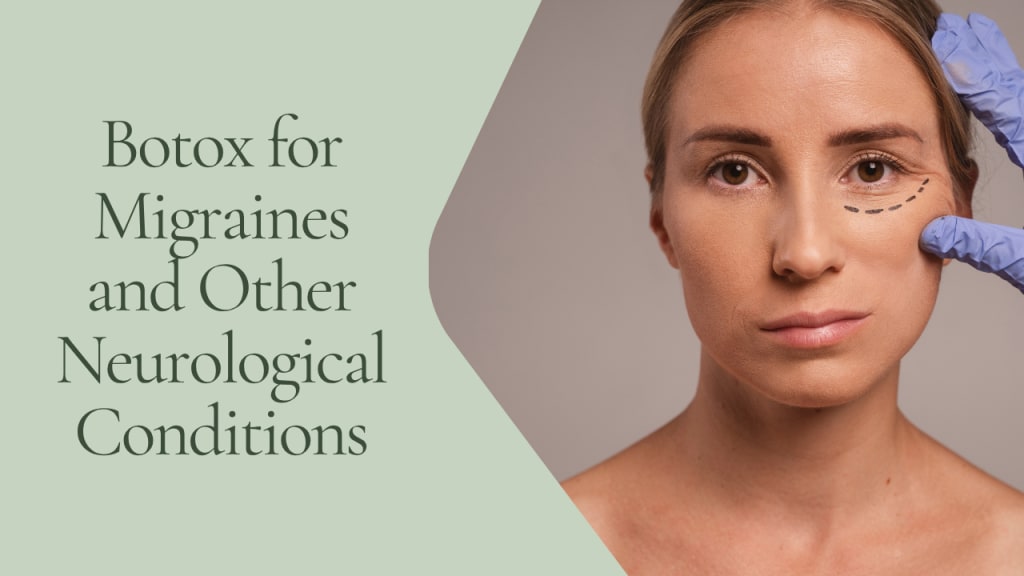
Botox for Migraines and Other Neurological Conditions
When most people think of Botox, they immediately picture its use in cosmetic procedures to reduce wrinkles and fine lines. But Botox is more than just a beauty treatment, it’s also a powerful medical therapy used to treat several neurological conditions, most notably chronic migraines.
In recent years, medical professionals have increasingly turned to Botox as a therapeutic option for various neurological disorders, thanks to its ability to block nerve signals and relax overactive muscles. In this blog, we’ll explore how Botox works for migraines and other neurological conditions, the benefits, risks, and how New U Med Spa Orlando can help you find relief through expert Botox treatments.
What is Botox?
Botox (botulinum toxin type A) is a purified neurotoxin derived from the bacterium Clostridium botulinum. While it’s widely known for its cosmetic uses, Botox has been FDA-approved for several medical conditions, including chronic migraines, muscle spasms, and even certain bladder disorders.
Botox works by blocking the release of acetylcholine, a chemical messenger that causes muscles to contract. When injected in small doses into specific muscles or areas of the body, Botox can reduce muscle activity, nerve signaling, or gland secretion—depending on the target.
Botox for Migraines
How Does Botox Help Migraines?
Botox was approved by the FDA in 2010 for the treatment of chronic migraines—defined as headaches occurring 15 or more days a month, with at least 8 of those days involving migraines. For migraine sufferers, this condition can severely affect work, personal life, and overall well-being.
Botox is believed to help migraines by:
- Blocking pain pathways in the nervous system
- Relaxing tense muscles around the head and neck
- Reducing inflammation in pain-sensitive nerve endings
- Preventing activation of migraine-triggering areas in the brain
What’s the Procedure Like?
The treatment typically involves:
- 31 small injections in 7 key areas of the head and neck
- Sessions every 12 weeks for consistent relief
- Minimal downtime with results noticeable after 1–2 treatments
Most patients report a significant reduction in migraine frequency, severity, and duration after consistent Botox treatments.
Other Neurological Conditions Treated with Botox
Botox has also been approved for or studied in the treatment of several other neurological disorders, including:
1. Cervical Dystonia
A painful condition where neck muscles contract involuntarily, causing abnormal head posture. Botox helps by relaxing overactive muscles and reducing pain.
2. Blepharospasm
This involves uncontrollable blinking or eyelid twitching. Botox injections into the eyelid muscles help reduce these spasms and improve vision and comfort.
3. Hemifacial Spasm
A condition causing involuntary twitching on one side of the face. Botox can provide long-term relief by calming the facial nerves.
4. Spasticity in Stroke or MS Patients
Muscle stiffness and spasms are common in individuals with stroke, cerebral palsy, or multiple sclerosis (MS). Botox injections relax tight muscles and improve mobility.
5. Trigeminal Neuralgia (Off-label use)
Although still being studied, Botox has shown promise in reducing the sharp, electric-like pain caused by this nerve disorder.
Benefits of Using Botox for Neurological Conditions
- Non-surgical and minimally invasive
- Quick outpatient treatment (often under 30 minutes)
- Proven reduction in symptoms for many neurological issues
- Safe when administered by trained professionals
- Can significantly improve quality of life
Risks and Side Effects
As with any medical treatment, Botox does come with some potential side effects, although they’re generally mild and temporary:
- Pain or bruising at the injection site
- Headache or neck pain
- Drooping eyelid or brow (rare)
- Muscle weakness near the injection area
- Flu-like symptoms in rare cases
It’s important to choose an experienced provider to minimize risks and ensure proper injection technique.
Botox Treatment at New U Med Spa Orlando
If you're struggling with chronic migraines or any other neurological condition that may benefit from Botox, New U Med Spa Orlando is here to help. With a reputation for excellence and a team of skilled professionals, New U Med Spa offers safe, personalized Botox treatments in a calming, state-of-the-art setting.
At New U Med Spa, every treatment plan begins with a comprehensive consultation to assess your symptoms, medical history, and treatment goals. The team works closely with each patient to ensure optimal results, whether you’re seeking relief from migraine pain or muscle spasms.
Why Choose New U Med Spa Orlando?
- Neurologically-informed Botox expertise
- Precision injection techniques for therapeutic results
- Licensed professionals with medical and aesthetic experience
- Clean, comfortable, and welcoming environment
- Compassionate care tailored to your unique needs
Final Thoughts
Botox is no longer just for smoothing out wrinkles—it’s a medically recognized treatment that offers real relief for people living with chronic migraines and other neurological conditions. With minimal side effects and proven results, it can be life-changing for many patients.
If you’re ready to explore Botox for migraines or other neurological issues, New U Med Spa Orlando can guide you through the process with care, professionalism, and expertise.
About the Creator
Keep reading
More stories from Wellness Master and writers in Lifehack and other communities.
Exploring Experimental Uses of Botox
Exploring Experimental Uses of Botox: The Future of Therapeutic Aesthetics at New U Med Spa Orlando Botox is no longer just a wrinkle-fighting beauty secret. Over the past two decades, researchers and physicians have uncovered a wide range of experimental uses of Botox that extend well beyond the skin. From treating depression to managing chronic pain, the potential of this neurotoxin is being explored in some truly groundbreaking ways.
By Wellness Master7 months ago in Lifehack
Top 10 Questions to Ask Every Perth NDIS Service Before You Engage Them
Choosing the right National Disability Insurance Scheme (NDIS) provider shapes the quality of care, independence, and outcomes a participant experiences. In Perth, families and participants face a growing number of service options, which makes informed decision-making essential.
By Anshul Vijay3 days ago in Lifehack



Comments
There are no comments for this story
Be the first to respond and start the conversation.