
Boosting Immunity with Wood Apple
Wood Apple: A Natural Remedy for Digestive Health
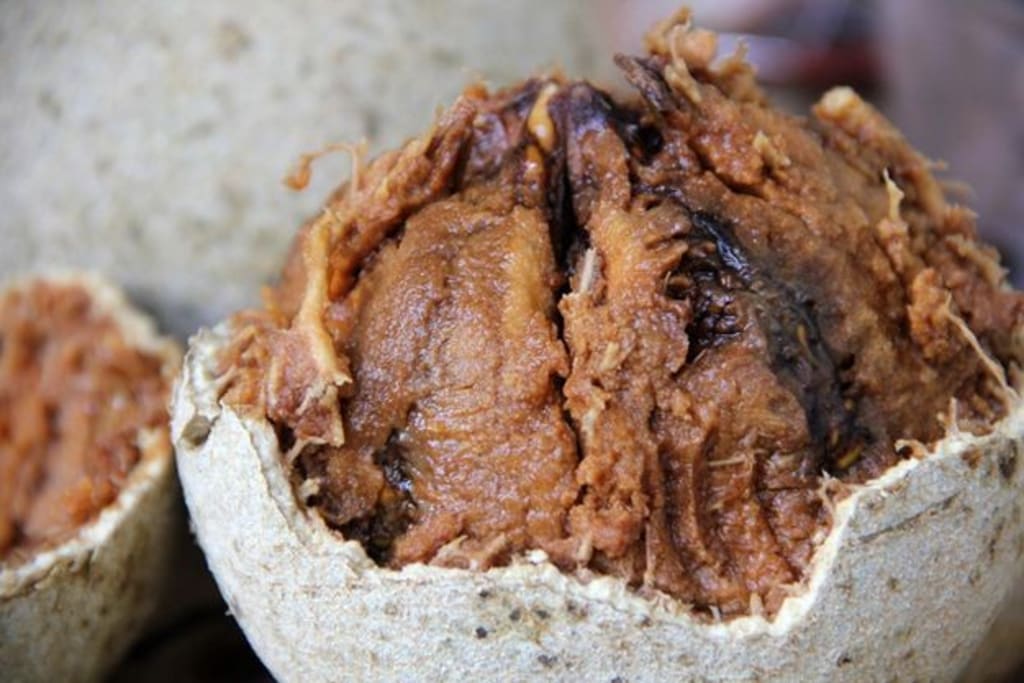
Wood apple, also known as Limonia acidissima, is a tropical fruit native to South and Southeast Asia. It is known by various names across different regions, including bael fruit, elephant apple, and monkey fruit. The fruit, hard and woody in appearance, encloses a soft, aromatic pulp that is cherished for its unique flavor and numerous health benefits. This essay delves into the nutritional, medicinal, and ecological advantages of wood apple, highlighting its significance in traditional medicine and modern dietary practices.
### Nutritional Benefits
Wood apple is a powerhouse of essential nutrients, making it a valuable addition to a balanced diet. It is rich in vitamins and minerals, particularly vitamin C, vitamin A, calcium, phosphorus, and iron. Vitamin C acts as a potent antioxidant, aiding in the protection against oxidative stress and boosting the immune system. Vitamin A is crucial for maintaining good vision and skin health. The presence of calcium and phosphorus supports bone health, while iron is vital for the formation of red blood cells and preventing anemia.
Additionally, wood apple is a good source of dietary fiber, which is essential for maintaining healthy digestion. The fiber content helps in regulating bowel movements, preventing constipation, and promoting a healthy gut microbiome. This makes the fruit beneficial for those suffering from digestive issues.
### Medicinal Properties
The medicinal properties of wood apple are well-documented in traditional medicine systems such as Ayurveda and Siddha. The fruit pulp is known for its laxative properties, which can help alleviate constipation and other digestive disorders. It also possesses astringent properties, making it useful in treating diarrhea and dysentery. The tannins present in wood apple act as anti-inflammatory agents, providing relief from various inflammatory conditions.
Wood apple is also recognized for its antimicrobial properties. Compounds found in the fruit exhibit antibacterial and antifungal activities, making it effective in treating infections. The antioxidant properties of wood apple help in neutralizing free radicals, thereby reducing the risk of chronic diseases such as cancer and heart disease. Furthermore, its anti-diabetic properties assist in regulating blood sugar levels, making it a beneficial fruit for individuals with diabetes.
### Ecological Significance
Beyond its nutritional and medicinal benefits, wood apple plays a significant role in the ecosystem. The tree is drought-resistant and can thrive in arid conditions, making it an important species for reforestation and soil conservation in dry regions. Its deep root system helps in preventing soil erosion and maintaining soil health. Additionally, wood apple trees provide a habitat for various wildlife species, contributing to biodiversity.
The fruit also has economic importance in many rural areas, where it is harvested and sold as a source of income. The wood apple tree’s hard wood is utilized for making tools and other wooden items, further adding to its economic value.
### Conclusion
Wood apple is a multifaceted fruit with a rich array of benefits that extend from nutrition and medicine to ecology. Its high content of essential nutrients and dietary fiber makes it an excellent addition to the diet, promoting overall health and well-being. The medicinal properties of wood apple, particularly its antimicrobial and anti-inflammatory effects, underscore its significance in traditional and modern medicine. Furthermore, the ecological benefits of wood apple trees highlight their importance in environmental conservation and sustainable agriculture. Embracing wood apple in dietary and ecological practices can contribute to a healthier population and a more sustainable environment.
### Cultural and Culinary Uses
In addition to its nutritional, medicinal, and ecological benefits, wood apple holds significant cultural and culinary value in various regions where it is native. In countries like India, Sri Lanka, and Thailand, wood apple is often used in traditional dishes and beverages. Its unique sweet and tangy flavor makes it a popular ingredient in chutneys, jams, and desserts.
One of the most well-known preparations is the wood apple sherbet, a refreshing drink made by blending the fruit pulp with water, sugar, and spices. This beverage is not only delicious but also hydrating and rich in nutrients, making it a popular choice during the hot summer months. In some cultures, the fruit is also fermented to produce alcoholic beverages, showcasing its versatility in culinary applications.
The cultural significance of wood apple is also evident in traditional rituals and ceremonies. In certain parts of India, the fruit is used in religious offerings and festivals, symbolizing prosperity and good health. The wood apple tree is often revered for its resilience and longevity, reflecting its importance in local traditions and folklore.
### Sustainable Development and Future Prospects
The potential of wood apple extends beyond its current uses, offering opportunities for sustainable development and innovation. Research and development in the fields of agriculture, nutrition, and medicine could unlock new applications and benefits of this remarkable fruit.
For instance, enhancing the cultivation practices of wood apple trees could improve yield and quality, benefiting farmers and local economies. The development of new food products and supplements derived from wood apple could cater to health-conscious consumers and those seeking natural remedies. Additionally, further exploration of its medicinal properties could lead to the discovery of new treatments for various ailments, reinforcing its role in modern healthcare.
Efforts to promote the cultivation and consumption of wood apple can also contribute to biodiversity conservation and sustainable agriculture. Encouraging the planting of wood apple trees in agroforestry systems can enhance soil fertility, reduce erosion, and support wildlife, aligning with global goals for environmental sustainability.
About the Creator
Keep reading
More stories from Bello Akinwale and writers in Lifehack and other communities.
Best diet for a diabetes patient
Navigating the world of diabetes-friendly diets can sometimes feel like tiptoeing through a culinary minefield, but fear not! With the right approach—and maybe a sprinkle of humor—we can tackle this with grace and a side of laughter.
By Bello Akinwale2 years ago in Lifehack
Feelings Never Die
It is Valentine's Day again, and it bought back memories that were over fifty years old. It bought me back to 1971, and I woke up and I knew my baby was due today. I was big and pregnant, and I felt like I was about to burst wide open. Imagine my surprise when the doctor told my I had a due date of February 14. I couldn't believe it, and since my baby was due today, I felt I could indulge myself a bit. I had gained a lot of weight, and chocolate was on the no-no list, but I had came to the end of this pregnancy, and I hoped it would be okay, after all I would deliver this baby today. So I walked across the street to the grocery story, and bought myself, a peppermint patty, covered in chocolate, my favorite. Me and my Valentine's baby would enjoy it together.
By Susan Paytona day ago in Fiction



Comments (1)
Seems healthy.