
Boost Your Gut Health with Fiber: How to Add More to Your Diet
Boost Your Gut Health with Fiber


Dietary fiber is important for gut health and the prevention of infections. It is found in plant-based foods and is important for digestion, the support of beneficial gut bacteria, and overall immunity. Many people do not consume the recommended daily intake of fiber, which leads to digestive issues and an increased risk of gut infections. Let's discuss the benefits of fiber and practical ways to incorporate it into your meals.
Importance of Fiber
It is one carbohydrate that cannot be used by the human body but is excreted almost undigested in part and promotes a host of functions as the fiber:
- Healthy Bowels: Preventing Constipation
- Feeding your Gut Bacteria: The carbohydrates feed your positive gut bacteria while being very active in maintaining all functions that enhance immunity and absorptive efficiency.
- It reduces inflammation: lowers the incidence of infections in the gut, and chronic diseases.
Average Intake of Fiber per Day
The average amount of fiber depends on age and gender. Generally, it has been set at 25 to 38 grams per day for adults. The majority of the population takes only half the needed amount. To meet fiber needs, it's all about the small, step-by-step diet changes.
Easy Ways to Get Increased Fiber Consumption into Your Diet
1. High-Fiber Breakfast

Boost fiber levels early morning by preparing the base either on whole-grain cereals or muesli oatmeal by mixing in any favorite fruits along with bananas and apples, the favorite berries along with chia puddings or adding the spinach leaves or flaxseeds on to the yogurt base.
2. Choose Whole Grains
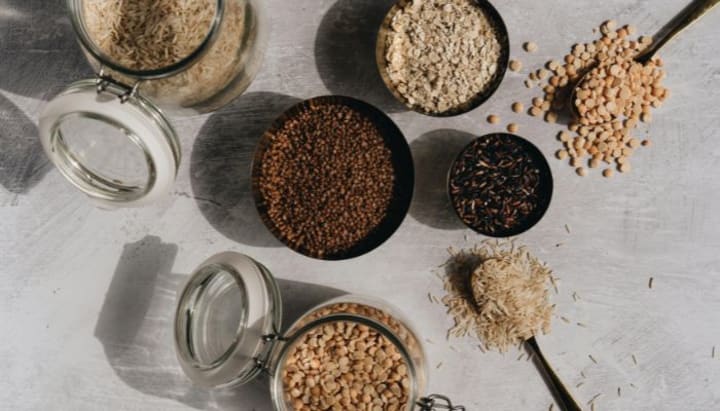
Whole grains are a powerhouse of dietary fiber. Replace the refined grains in the form of white rice, pasta, and bread with brown rice, quinoa, whole-wheat pasta, and multigrain bread. They will not only fill you better, but also longer.
3. Load up on fruits and vegetables

Fruits and vegetables contain both soluble and insoluble fiber. Try to get a variety of colors on your plate. Enjoy raw carrots, cucumbers, or celery and add greens like spinach and kale to your food. Chewing on fruits with their skin on, like apples and pears, will up your fiber intake even more.
4. Add Legumes to Your Diet
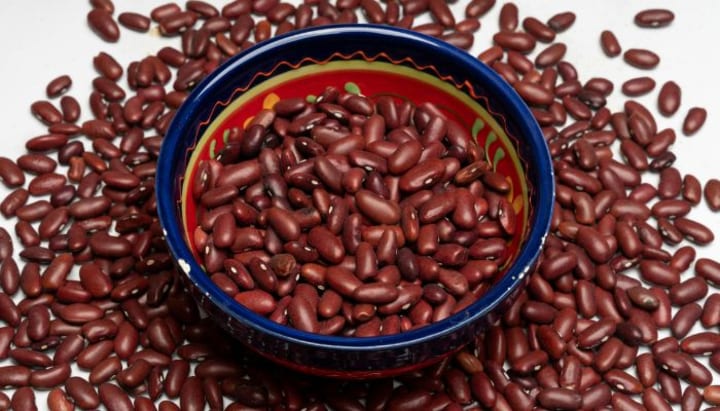
Nuts and seeds are high in fiber and very convenient to add to soups, salads, or curries. A bowl of lentil soup or a chickpea stir-fry could go a long way in fulfilling your daily fiber requirement.
5. Snack on Nuts and Seeds

Avoid processed foods like snacks. Instead, aim for raw almonds, walnuts, sunflower seeds, or chia seeds. These are rich in fiber, healthy fat, and other essential nutrients. Sprinkle some flaxseed or chia seed on top of your yogurt or smoothie for easy fiber supplementation.
6. Hydrate Yourself

When increasing your fiber intake, drinking plenty of water is very important. Fiber absorbs water, helps in digestion, and prevents constipation. A minimum of 8 glasses of water should be consumed every day.
Conclusion
One of the easiest ways to improve gut health and avoid infection would be to stick to a high-fiber diet. It is effortless to increase fiber consumption as long as refined grains are replaced with legumes and instead one snacks with nuts and seeds; accompanying hydration and general balanced diet will be keeping good digestive system condition and general healthy state.
About the Creator
Golu Kumar
Golu Kumar is a skilled content writer specializing in creating engaging, informative, and high-quality written materials. With a keen eye for detail and a passion for storytelling.
Keep reading
More stories from Golu Kumar and writers in Lifehack and other communities.
Understanding the Human Metapneumovirus (HMPV): Symptoms, Cases, and Precautions
This virus, one among the human metapneumoviruses, is beginning to make appearances around the globe with cases rising. First recognized in 2001, HMPV closely resembles another viral infection causing respiratory illness-the respiratory syncytial virus. While it may not be a very common name among the general population, HMPV has caused concern, mostly towards young children, older adults, and weakened immunized adults.
By Golu Kumarabout a year ago in Lifehack




Comments
There are no comments for this story
Be the first to respond and start the conversation.