
Boost Your Cattle's Health and Productivity with Napier Silage
A Simple Guide

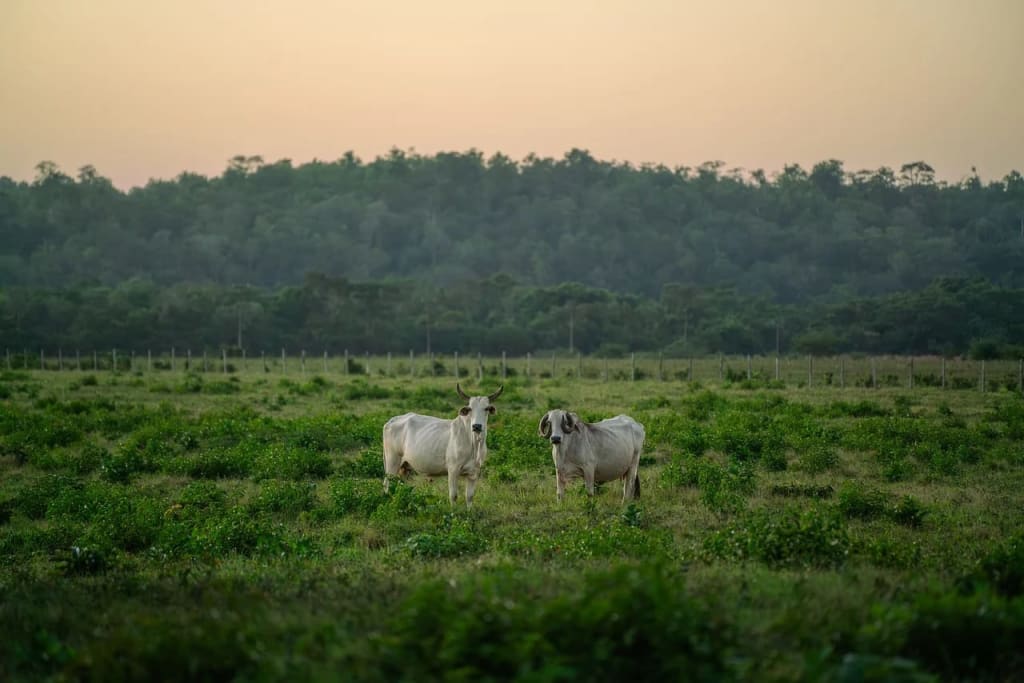
Making Napier grass silage at home using effective microorganisms (EM) and brown sugar is easier than you might think. Whether you’re a seasoned farmer or just starting, this step-by-step guide will walk you through the process using a 25-liter plastic drum.
Here's what you'll need to get started:
- Napier grass - Freshly cut and chopped into 1-2 inch pieces.
- Effective Microorganisms (EM) - You can buy EM solutions or make your own.
- Brown sugar - This feeds the EM.
- Water (Preferably untreated, Natural water) - For mixing the EM and brown sugar.
- 25-liter plastic drum - Make sure it has a tight-fitting lid.
Let's Get Started
1. Prepare Your EM Solution
• Mix 1 liter of water with 50ml of EM solution.
• Add 100 grams of brown sugar and stir until dissolved.
• Let it sit for 1-2 hours to activate.
2. Prep the Napier Grass
• Chop the grass into small pieces (1-2 inch).
• Spread it out in a shaded area to wilt for a few hours until the moisture content drops to 60-70%.
3. Layering the Drum
• Start by adding a 10-15 cm layer of chopped grass at the bottom of the drum.
• Sprinkle the EM solution over the grass. Use about 500 ml for every 10 kg of grass.
• Press the layer down firmly to remove air pockets.
• Keep layering until the drum is full.
4. Seal It Up
• Press the top layer down firmly.
• Seal the drum tightly to create an anaerobic environment, which is crucial for fermentation.
5. Fermentation Time
• Store the drum in a cool, dry place, away from sunlight.
• Let it ferment for at least 21 days.
6. Check Your Silage
• After 21 days, open the drum and check your silage.
• It should smell slightly sweet and tangy, with a light green to yellow color and no mold.
• If it looks and smells good, it’s ready to feed to your livestock
Pro Tips
• Grass Quality - Always start with fresh, mold-free Napier grass.
• Press It Down - Compressing the grass well helps create the right environment for fermentation.
• Use It Quickly - Once opened, use the silage within a few days or transfer it to another airtight container.
Why Napier Silage is Great for Your Cattle ?
1. Nutrient-Rich and Energy-Packed - Silage keeps most of Napier grass's nutritional value intact, giving your cattle high energy and fiber for better digestion.
2. Easy on Their Stomach - The fermentation process makes the silage easier for cattle to digest, leading to better nutrient absorption.
3. Consistent Quality - Silage provides reliable, high-quality feed year-round, regardless of the season.
4. Boosts Milk Production - Dairy cows fed with silage often produce more milk of better quality.
5. Promotes Healthy Weight Gain - Beef cattle thrive on the energy-rich silage, gaining healthy weight more efficiently.
6. Cost-Effective - Silage can save you money on feed, especially during dry seasons.
7. Stores Well - Properly made silage can last for months, ensuring you have a steady feed supply.
How Much Silage Should You Feed?
1. Dairy Cattle
• Lactating cows - 25-30 kg per day, with additional concentrates if needed.
• Dry cows - 15-20 kg per day.
2. Beef Cattle
• Feed 20-25 kg of silage per day, adjusting based on age, weight, and growth stage.
3. Calves
• Start with 5-10 kg per day for weaned calves and increase as they
Feeding Tips
• Balance Their Diet - Silage should be part of a balanced diet with enough minerals, vitamins, and other nutrients.
• Monitor Health - Watch for any signs of digestive issues or changes in health as you introduce silage.
• Don’t Overfeed - Stick to recommended amounts to avoid excessive weight gain or digestive problems.
By making and feeding Napier silage, you’re giving your cattle a high-quality, nutritious diet that keeps them healthy and productive all year long...
About the Creator
Sivakumar Micheal
Go Green Save the Earth
Let's make a different together
I'm a person concerned about the preservation and protection of the natural environment and works to promote sustainable practices and policies.
Keep reading
More stories from Sivakumar Micheal and writers in Lifehack and other communities.
Embrace the Trees
In our fast-paced world, it's easy to get caught up in the hustle and bustle, feeling drained and disconnected. But what if I told you that a simple act, as old as time, could help you recharge and reconnect with the energy around you? It might sound a little unusual, but hugging a tree could be just the thing you need!
By Sivakumar Micheal2 years ago in Lifehack
How to Find Penny Items at Dollar General
Imagine walking into Dollar General and walking out with a cart filled with items that cost you a total of less than a dollar. The lucky few who snag penny items certainly have experienced the adrenaline and happiness it creates. If you want to feel like a Queen (or king) for a day, read below to learn how you can become a DG penny-aire.
By Criminal Matters7 days ago in Lifehack
Top 10 Side Effects of Chia Seeds You Should Know
Chia seeds have gained huge popularity in recent years as a superfood. From smoothies and puddings to salads and oatmeal, these tiny seeds are often praised for their high fiber, omega-3 fatty acids, and protein content. Many people include them in their daily diet to support weight loss, digestion, and overall health.
By Veronica Bennett2 days ago in Lifehack




Comments (3)
So so amazing .i love your content and subscribed. Kindly reciprocate by subscribing to me also . thank you and keep it up
Excellent guide
Well wrote keep it up.