
"Boost Your Brain: Everyday Habits to Keep Your Mind Sharp and Strong"
A Practical Guide to Enhancing Mental Clarity, Focus, and Emotional Well-being
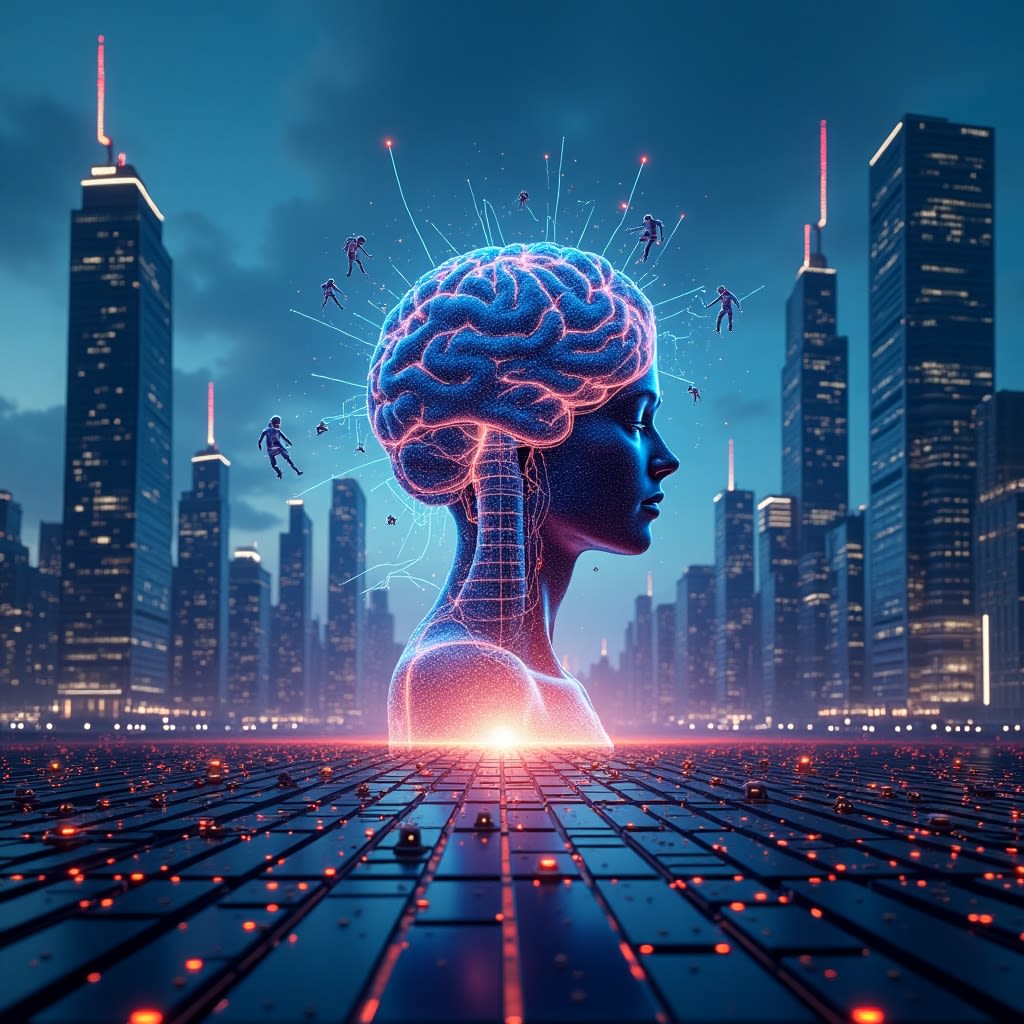
In a world that is constantly evolving and increasingly demanding, maintaining mental sharpness has become as vital as sustaining physical health. The mind is the command center of our entire being—it controls our thoughts, actions, emotions, and decisions. When we talk about a “mind booster,” we are referring to techniques and practices that help enhance cognitive function, mental clarity, focus, memory, and emotional well-being. Fortunately, there are many ways to keep our minds active, alert, and healthy. From lifestyle changes to cognitive exercises, here’s how to keep our mind booster functioning at its best.
--
1. Regular Physical Exercise
Physical activity doesn’t just benefit the body—it profoundly affects the brain as well. When we exercise, our heart rate increases, which promotes blood flow to the brain and stimulates the release of neuroprotective proteins and growth factors that enhance brain function. Studies have shown that regular exercise can improve memory, reduce anxiety and depression, and even delay the onset of age-related cognitive decline.
Activities like brisk walking, swimming, cycling, or yoga can do wonders for mental clarity. Even short bursts of physical activity—20 to 30 minutes a day—can boost your mental energy and concentration levels.
---
2. Adequate Sleep
Sleep is crucial for mental restoration. During deep sleep, the brain consolidates memories, processes information, and clears out toxins that accumulate throughout the day. A lack of sleep can lead to cognitive impairments such as memory loss, poor decision-making, and reduced attention span.
Adults should aim for 7 to 9 hours of quality sleep per night. Establishing a consistent sleep schedule, limiting screen time before bed, and creating a relaxing bedtime routine can greatly improve sleep quality—and by extension, mental performance.
---
3. Nutritious Diet
The phrase “you are what you eat” applies just as much to your brain as it does to your body. A balanced, nutrient-rich diet supports optimal brain function. Foods rich in omega-3 fatty acids (like salmon and walnuts), antioxidants (such as berries and dark chocolate), and vitamins (like B-vitamins, vitamin D, and vitamin E) are known to enhance cognitive abilities and protect against brain aging.
Also, staying hydrated plays a major role in maintaining mental clarity. Even mild dehydration can cause fatigue, poor concentration, and mood swings.
---
4. Mental Stimulation and Lifelong Learning
Just like muscles need to be worked out to stay strong, the brain needs mental stimulation to remain sharp. Engaging in challenging and novel activities helps build new neural pathways and strengthen existing ones. Activities such as reading, learning a new language, solving puzzles, playing musical instruments, or engaging in strategic games like chess or Sudoku can significantly improve cognitive flexibility and memory.
Lifelong learning—whether formal or informal—keeps the brain in a continuous state of growth. Online courses, educational podcasts, and informative videos are great resources to feed your intellectual curiosity.
---
5. Mindfulness and Meditation
Mindfulness and meditation are powerful tools for mental clarity and emotional regulation. Practicing mindfulness helps bring attention to the present moment, reducing mental clutter, stress, and anxiety. Meditation, even for just 10–15 minutes daily, has been shown to increase grey matter in areas of the brain responsible for memory, learning, and emotional control.
Breathing exercises, guided meditation apps, or simply sitting quietly and focusing on your breath can create a sense of inner calm, improving focus and reducing cognitive fatigue.
---
6. Social Interaction and Emotional Support
Human beings are social creatures, and strong social connections are essential for mental well-being. Engaging in meaningful conversations, sharing experiences, and building relationships stimulate the brain and help ward off feelings of loneliness and depression.
Regular interaction with friends and family, participation in community groups, or even volunteering can improve mood, provide a sense of belonging, and boost cognitive function.
---
7. Limiting Stress and Managing Emotions
Chronic stress is one of the biggest threats to mental health. It triggers the release of cortisol, a hormone that, in high levels, can damage brain cells and impair memory. Learning how to manage stress effectively is a vital mental booster.
Techniques such as journaling, deep breathing, yoga, and positive affirmations can reduce stress levels. Seeking therapy or counseling when needed also plays a critical role in emotional regulation and mental clarity.
---
8. Digital Detox and Time Management
In today’s digital age, we are constantly bombarded with information. While technology has many benefits, excessive screen time can lead to mental fatigue, distraction, and sleep problems. Taking regular breaks from screens, limiting social media usage, and creating tech-free zones can help recharge your mental batteries.
Effective time management also reduces mental clutter. Using planners, setting realistic goals, and prioritizing tasks can prevent overwhelm and create mental space for more meaningful activities.
---
9. Positive Thinking and Gratitude
Our thoughts shape our reality. Maintaining a positive outlook can enhance mental resilience and foster a proactive approach to challenges. Practicing gratitude daily—by writing down three things you’re thankful for—can improve emotional well-being and shift focus away from negativity.
Positive thinking doesn't mean ignoring problems; rather, it means approaching challenges with a constructive mindset and believing in your ability to overcome them.
---
Conclusion
Our mind is an incredible asset, and just like any other part of the body, it needs consistent care and nourishment. Keeping our mind booster active involves a holistic approach—combining physical health, mental stimulation, emotional balance, and lifestyle habits. By integrating these practices into our daily lives, we can enhance our cognitive functions, improve our mental health, and live more vibrant, focused, and fulfilling lives. In a world full of distractions and stressors, prioritizing mental wellness is not just an option—it’s a necessity.
About the Creator
Keep reading
More stories from Bilal Ahmad and writers in Lifehack and other communities.
The Future of AI (artificial intelligence)
2. AI in Healthcare: Revolutionizing Personal Well-Being Healthcare is another field where AI’s impact is being felt every day. Through tools like virtual assistants, health tracking apps, and predictive analytics, AI is already playing a role in improving personal health management.
By Bilal Ahmad7 months ago in Futurism




Comments
There are no comments for this story
Be the first to respond and start the conversation.