
Beyond Blue Light: Hidden Digital Hazards Nobody Talks About
Dive into the unexpected ways our screens affect health and productivity.

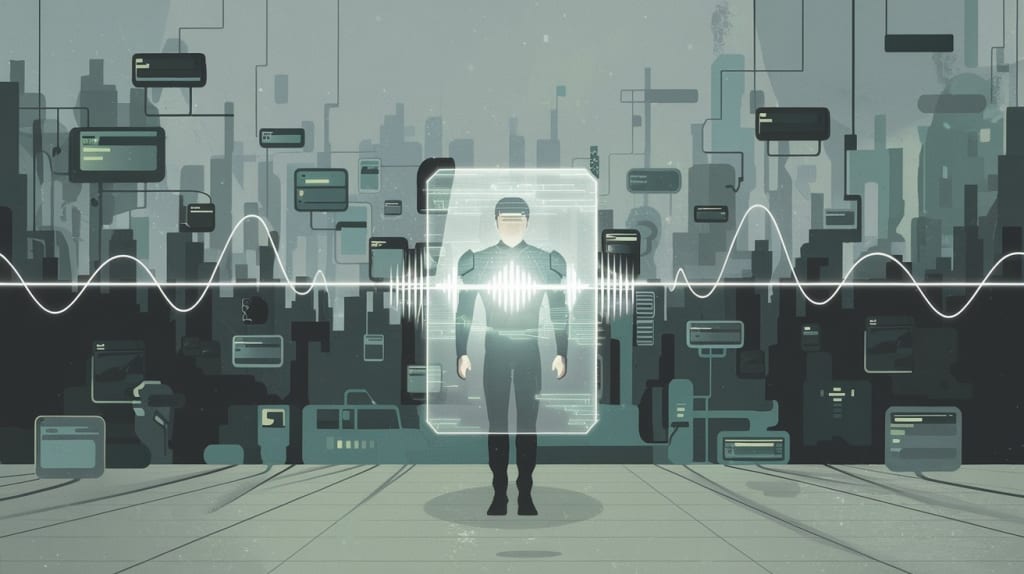
In today’s fast-paced, tech-driven world, screens dominate our lives. From smartphones to laptops, tablets to televisions, we’re constantly exposed to digital devices. Conversations about the harmful effects of blue light on sleep cycles, eye strain, and mental health are commonplace. But what if blue light isn’t the only danger lurking in our screens?
There’s a shadowy side of digital technology that often goes unnoticed. These hidden hazards, though less discussed, can be just as damaging as blue light. Let’s uncover these risks and explore practical solutions to protect ourselves in the digital age.
1. Digital Noise and Cognitive Overload
The ceaseless barrage of notifications, emails, and pop-ups doesn’t just steal your attention—it overwhelms your brain. This phenomenon, known as digital noise, leads to cognitive overload, which can impair memory, reduce productivity, and cause mental exhaustion.
Why It Matters:
The human brain isn’t designed to process endless streams of information. Constant multitasking triggered by digital noise fragments your focus, leading to decision fatigue and burnout.
How to Protect Yourself:
- Set Notification Boundaries: Turn off non-essential alerts.
- Practice Digital Minimalism: Use apps that promote focus, like forest-style timers or task managers.
- Schedule Tech-Free Hours: Regular breaks from screens help your brain reset.
2. Electromagnetic Field (EMF) Exposure
Electromagnetic fields emitted by digital devices might not seem like a big deal, but prolonged exposure has sparked debates in the scientific community. While evidence is inconclusive, some studies suggest that excessive EMF exposure could disrupt sleep patterns, impact fertility, and even increase the risk of certain illnesses.
Why It Matters:
Your phone, laptop, and Wi-Fi router are constantly emitting low-level radiation. Though each device alone might pose minimal risk, cumulative exposure could add up over time.
How to Protect Yourself:
- Distance Is Key: Keep devices like phones and laptops away from your body when not in use.
- Use Airplane Mode: Especially at night, to minimize radiation exposure.
- Invest in EMF Shields: Products like laptop pads or phone cases can reduce exposure.
3. Screen Flicker: The Invisible Agitator
Have you ever felt inexplicable eye strain after using a screen, even for a short while? The culprit might be screen flicker—an often invisible fluctuation in brightness caused by certain display technologies.
Why It Matters:
Prolonged exposure to flickering screens can lead to headaches, eye strain, and even long-term vision problems. For those with sensitive eyes, the effects can be debilitating.
How to Protect Yourself:
- Check Your Screen Settings: Opt for displays with flicker-free technology.
- Adjust Brightness: Lower the intensity to comfortable levels.
- Use Blue Light Filters: While designed to block harmful blue light, they can also help with flicker reduction.
4. Addiction by Design: Digital Dopamine Loops
Social media platforms, games, and apps are engineered to keep you hooked. Using features like infinite scrolling, notifications, and rewards, these technologies create a cycle of dopamine hits that can lead to screen addiction.
Why It Matters:
Addiction to digital devices doesn’t just affect your mental health; it can disrupt relationships, decrease productivity, and lead to physical problems like text neck and wrist strain.
How to Protect Yourself:
- Limit Usage: Use screen time trackers to monitor and control your digital habits.
- Unfollow and Mute: Clean up your feed to reduce unnecessary stimuli.
- Engage in Offline Activities: Balance screen time with hobbies like reading, sports, or crafts.
5. Digital Privacy Erosion
In an era where every click, swipe, and like is recorded, digital privacy has become an elusive concept. Beyond the risk of identity theft, the constant surveillance can lead to stress and anxiety.
Why It Matters:
Knowing you’re being watched, even passively, affects behavior. This phenomenon, called the "chilling effect," can limit creativity and authenticity online.
How to Protect Yourself:
- Use Privacy-Focused Tools: Opt for secure browsers and messaging apps like Signal.
- Manage Permissions: Review and restrict app access to unnecessary data.
- Educate Yourself: Stay informed about data breaches and cybersecurity best practices.
6. Digital Fatigue and Posture Problems
The more time you spend on screens, the greater the strain on your body. Poor posture, often referred to as "tech neck," can lead to long-term musculoskeletal issues.
Why It Matters:
Sitting for long hours with poor ergonomics doesn’t just cause back and neck pain; it also increases the risk of conditions like carpal tunnel syndrome and eye strain.
How to Protect Yourself:
- Ergonomic Setup: Use a proper chair, adjust your screen height, and use external keyboards.
- Take Regular Breaks: Follow the 20-20-20 rule—every 20 minutes, look at something 20 feet away for 20 seconds.
- Stretch: Incorporate simple stretches to reduce tension.
7. The Loneliness Paradox
While digital devices connect us globally, they often isolate us locally. Excessive screen time can lead to loneliness, depression, and a decline in real-world social skills.
Why It Matters:
Strong social bonds are crucial for mental health. However, replacing in-person interactions with virtual ones can erode meaningful relationships over time.
How to Protect Yourself:
- Prioritize Face-to-Face Interactions: Schedule regular meetups with friends and family.
- Balance Online and Offline Life: Engage in community activities that don’t involve screens.
- Set Social Media Boundaries: Avoid excessive scrolling that fosters comparison and negativity.
Conclusion
The digital world offers unparalleled convenience and entertainment, but it comes with hidden dangers beyond the well-known blue light. From cognitive overload to EMF exposure, screen flicker to digital addiction, the unseen risks are varied and significant.
By understanding these hazards and adopting simple preventive measures, we can harness the benefits of technology while safeguarding our health and well-being. Awareness is the first step toward a balanced, healthy digital lifestyle.
About the Creator
Naveed Ahmad
With a passion for words and an eye for detail, I am Naveed Ahmad, a professional writer specializing in creating engaging, high-quality content that informs, inspires, and connects with audiences.
Keep reading
More stories from Naveed Ahmad and writers in Lifehack and other communities.
Smartphones Are Powerful Enough
For more than a decade, smartphones have followed a predictable trajectory: higher power, sharper images, and speedier internet. On paper, today’s technologies are substantially superior to those from even five years ago. Yet surveys, user forums, and daily encounters suggest a different image. Satisfaction hasn’t grown at the same pace as capacity.
By abualyaanartabout 17 hours ago in Lifehack
The Devil's Cut
“Comrade, finally you’re awake.” The voice was smooth, sensual. A flickering incandescent bar was all that lit the white, sterile room. All Vladimir remembered was everything going black. He tried to move his arms and found them strapped to the gurney.
By Matthew J. Fromm7 days ago in Fiction



Comments
There are no comments for this story
Be the first to respond and start the conversation.