
Barefoot Walking: The Science Behind Its Health Benefits
How Walking Barefoot Can Significantly Improve Your Health and Well-being

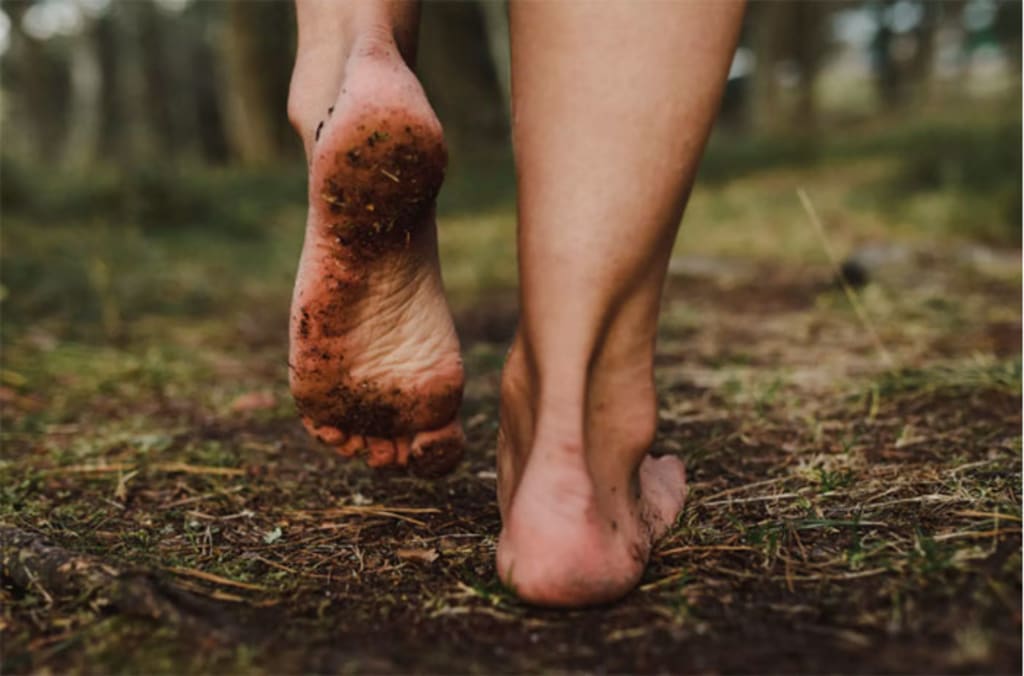
Walking barefoot, a practice that has been around for centuries, is now gaining renewed attention due to scientific studies that highlight its remarkable health benefits. Not only is it a natural and enjoyable activity, but it is also considered an alternative healing therapy that many people are turning to for its therapeutic effects. One of the most intriguing aspects of barefoot walking is the ability to connect more deeply with the Earth, which is thought to bring an array of health benefits by allowing the body to absorb its natural energy.
Understanding the Connection Between the Body and the Earth
To fully grasp why barefoot walking is so beneficial, it’s essential to first understand the concept of bioelectricity in the human body. The human body operates as a bioelectric system, meaning that our heart, brain, immune system, nervous system, and muscles all depend on electrical signals to function optimally. At the same time, the environment around us is filled with electromagnetic fields (EMF) emitted by various electronic devices, power lines, and other sources.
When we are exposed to these EMFs, they can increase the production of "free radicals" in our bodies. Free radicals are highly reactive molecules that are produced naturally during metabolic processes, but they can also be absorbed from the environment. These molecules carry a positive charge and can cause oxidative damage to our cells, which leads to inflammation, aging, and various health problems.
Here’s where the Earth comes into play. The Earth itself is considered an infinite source of free electrons, which carry a negative charge. When you walk barefoot and make direct contact with the Earth’s surface, these electrons are absorbed into your body, helping to neutralize the effects of the positively charged free radicals. This natural energy transfer helps reduce inflammation and promotes better overall health by restoring the body’s electrical balance.
The Many Health Benefits of Barefoot Walking
Neutralizing Free Radicals: Walking barefoot can help reduce oxidative stress by neutralizing free radicals in the body. This leads to a decrease in the breakdown (oxidation) of cells, which can speed up recovery from illness or injury and reduce the overall risk of chronic conditions. When your body is less burdened by oxidative stress, your immune system can function more effectively, and your tissues can repair themselves more efficiently.
Reducing Chronic Inflammation: One of the most significant benefits of barefoot walking is its ability to reduce chronic inflammation, which is linked to a wide range of diseases such as heart disease, diabetes, arthritis, and even cancer. Chronic inflammation is often triggered by free radicals and environmental factors, but walking barefoot can counteract this process by neutralizing the harmful effects of these free radicals. By reducing inflammation, you can prevent the development or worsening of many chronic conditions.
Improving Sleep and Circulation: Barefoot walking has been shown to improve sleep quality by regulating the body’s circadian rhythms and reducing stress. The Earth’s energy helps balance the autonomic nervous system, which controls functions like heart rate, digestion, and sleep. As a result, people who walk barefoot regularly tend to experience better sleep, more balanced energy levels, and improved circulation. Additionally, walking barefoot can enhance balance and coordination, especially when performed on uneven surfaces such as grass or sand.
Boosting Mental and Physical Health: Walking barefoot on natural surfaces like grass, sand, or soil can have a calming and grounding effect on the mind. It has been linked to a reduction in anxiety, stress, and depression, as well as an increase in mental clarity and focus. Furthermore, walking barefoot can stimulate various acupressure points located on the soles of the feet, which are thought to correspond to different organs and systems in the body. By stimulating these points, barefoot walking can enhance the function of these organs and promote overall wellness.
Promoting Foot Health and Strength: One of the most obvious benefits of walking barefoot is that it helps strengthen the muscles and ligaments in the feet and legs. Wearing shoes, especially those with excessive cushioning or arch support, can weaken the foot muscles over time. When you walk barefoot, your feet naturally adapt to different surfaces, which helps to engage the muscles, tendons, and ligaments more fully. This leads to improved foot strength, better posture, and reduced risk of foot-related problems such as flat feet, plantar fasciitis, or bunions.
Safety Considerations and Risks of Barefoot Exercise
While the health benefits of barefoot walking and exercise are numerous, it is important to acknowledge that there are some risks involved, especially if you are not accustomed to walking without shoes. Here are a few potential hazards to be aware of:
Foot Injuries: The most common risk associated with barefoot walking is injury to the feet, such as cuts, scrapes, or puncture wounds. Stepping on sharp objects like glass, rocks, or metal can cause significant pain and infection if not treated promptly. To avoid such risks, it is essential to choose safe walking environments, such as grassy fields, sandy beaches, or wooden floors, rather than walking barefoot on rough, urban streets.
Risk of Infection: Walking barefoot in areas that are not clean can expose you to harmful bacteria, fungi, and parasites. It is important to make sure that the surfaces you walk on are free of contaminants that could lead to infections, especially if you have open cuts or wounds on your feet.
Balance Issues: If you are used to wearing shoes, your feet may not be as strong or as accustomed to walking barefoot. This can lead to balance issues and a higher risk of sprains or falls, especially when transitioning from indoor shoes to outdoor barefoot exercise. It is advisable to start slowly and gradually increase the amount of time spent walking barefoot to allow your body to adjust.
Getting Started with Barefoot Exercise
If you are interested in incorporating barefoot exercise into your routine but are concerned about the risks, it is a good idea to start with minimal shoes. These types of shoes provide minimal support while still offering some protection for the feet. Over time, you can transition to walking barefoot for short periods and on safe surfaces.
In addition to walking barefoot, you can also try barefoot running, yoga, or other forms of exercise that allow you to connect more closely with the ground. It’s important to start with simple movements and gradually increase the intensity as your feet become stronger and more accustomed to the new practice.
Reflexology and the Healing Power of Barefoot Walking
Another fascinating aspect of barefoot walking is its connection to reflexology, an ancient practice that involves applying pressure to specific points on the feet that correspond to different organs in the body. According to reflexology, the soles of the feet contain over 7,000 nerve endings, many of which are linked to the body's major organs. Walking barefoot stimulates these points and can help improve the function of the organs they correspond to.
For example:
The left foot corresponds to the left side of the body, including the heart, spleen, and digestive organs.
The right foot corresponds to the right side of the body, including the liver, gallbladder, and appendix.
By stimulating these reflexology points, barefoot walking can help improve the health of the organs and systems associated with each area of the foot.
Long-Term Benefits of Walking Barefoot
The long-term benefits of regular barefoot walking are extensive. Research suggests that just 5 minutes of barefoot walking each day can begin to improve blood circulation, lower blood pressure, balance blood sugar levels, and reduce blood clotting. Over time, walking barefoot can also lead to better bone health, improved thyroid function, reduced stress levels, and an enhanced sense of mental clarity.
For older adults, especially those over 60, barefoot walking can provide additional benefits, including improved joint health, better balance, and a stronger connection to nature, which can contribute to greater overall well-being.
Conclusion
Walking barefoot is a simple yet powerful practice that can significantly enhance both your physical and mental health. By connecting with the Earth and absorbing its natural energy, you can reduce inflammation, improve circulation, boost your immune system, and strengthen your feet. However, it is important to be mindful of potential risks and take appropriate precautions when exercising barefoot. With the right approach, barefoot walking can be a transformative practice that enhances your health and well-being, both in the short and long term. So, take off your shoes, step outside, and experience the many benefits of walking barefoot today!
About the Creator
Eleanor Grace
"Dream big.Start small.Act now."
Keep reading
More stories from Eleanor Grace and writers in Lifehack and other communities.
🛌 Sleep Your Way to a Longer Life
If you're looking to live a longer, healthier life, it might be time to take your sleep more seriously. A new study reveals that adopting five healthy sleep habits could extend life expectancy by nearly 5 years for men and 2.4 years for women, according to CNN.
By Eleanor Grace10 months ago in Lifehack
The Check-In Revolution: Moving From Constant Tracking to Scheduled Family Updates
There’s a low-grade hum of anxiety that comes with modern parenting. You can, at any moment, open an app and see exactly where your child is. So you do. Again. And again. What starts as a tool for peace of mind can quietly become a source of obsession for you and a point of resentment for them.
By Olivia Martinez7 days ago in Lifehack




Comments
There are no comments for this story
Be the first to respond and start the conversation.