
Balancing the Salty Scale: The Impact of Sodium Intake on Health & Well-Being
Practical Tips for Reducing Salt Intake

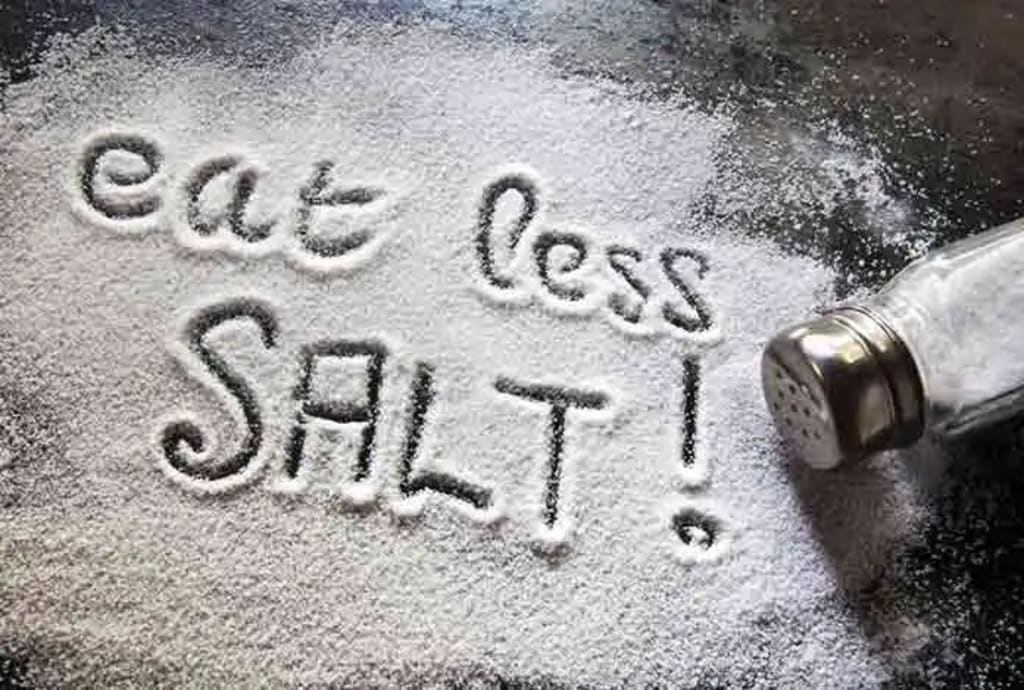
Salt, or sodium chloride, is a ubiquitous ingredient in our diets. While it adds flavor to our meals, excessive salt consumption can have detrimental effects on our health. The consequences of high salt intake have become increasingly apparent as salt consumption in the US has risen by 50 percent over the last four decades. The average American now consumes 3,400 milligrams of salt per day, nearly double the recommended amount. High salt intake is strongly associated with various health issues, including high blood pressure, kidney disease, stroke, and heart disease. These conditions can significantly impact our quality of life and increase the risk of premature death. As a result, health experts and researchers have been exploring the effects of decreasing salt intake and the benefits of adopting a low-sodium diet.
A low-sodium diet, ranging from around 1500 to 2300 milligrams per day, can lead to several positive changes in the body. Within just one week of reducing salt intake, blood pressure may start to lower, reducing the risks of chronic high blood pressure. Additionally, high salt intake has been linked to increased stress hormone levels in the body. By reducing salt consumption, individuals may experience decreased stress levels and improved overall well-being.
Another short-term benefit of a low-sodium diet is reduced bloating. Studies have shown that high salt intake can cause bloating, and by cutting back on salt, individuals can experience relief from this discomfort.
However, the most significant advantages of a low-sodium diet are long-term health benefits. A study conducted in rural China revealed that individuals with a history of stroke or hypertension who adopted low-salt diets experienced fewer strokes, major cardiovascular events, and lower mortality rates within five years. To achieve these benefits, a simple substitution of 30% of sodium chloride with potassium chloride can be made, reducing sodium intake while maintaining taste and providing additional benefits by improving blood pressure regulation.
On the other hand, completely cutting out salt from the diet can be dangerous. While it may seem like an extreme measure to tackle excessive salt consumption, it can lead to a condition known as hyponatremia. This condition occurs when the body excretes excess water to restore normal salt concentration. The result is severe dehydration, nausea, vomiting, and muscle twitching. Prolonged sodium deficiency can even cause brain swelling, confusion, seizures, and coma. It's essential to maintain the right balance of sodium in the body, as correcting blood sodium levels too quickly can lead to osmotic demyelination, a serious neurological condition.
Finding the right balance is key. For most people, aiming for a daily sodium intake of around 2300 milligrams is considered ideal. However, individual sensitivities to salt may vary, so listening to your body's cues is essential. Cravings or aversions to salt can provide valuable insights into your specific needs, and consulting a healthcare professional can help determine the appropriate sodium intake for your unique circumstances.
In addition to sodium, electrolytes like potassium, magnesium, and calcium also play crucial roles in the body. During exercise, especially in hot and sweaty conditions, you may lose essential electrolytes through sweat. It's vital to stay hydrated and replenish electrolytes through sports drinks or electrolyte-rich foods like bananas and oranges. However, for most individuals engaging in regular exercise, the average diet should provide sufficient electrolytes.
In conclusion, reducing salt intake can have significant positive impacts on our health, including improved blood pressure, reduced stress, and relief from bloating. However, eliminating salt completely should only be done under medical supervision, as it can lead to severe health issues. Striving for a balanced sodium intake is essential for maintaining good health. By making informed choices about our salt intake and adopting a low-sodium diet when appropriate, we can take significant steps toward safeguarding our long-term health and well-being. Always remember to consult with a healthcare professional to determine the best approach for your individual needs.
About the Creator
Rohit Singh
Software developer, part-time content creator, and tech enthusiast.
Unleashing creativity and embracing tech. Join me on this thrilling journey! 🚀
Keep reading
More stories from Rohit Singh and writers in Lifehack and other communities.
The Fascinating Science Behind Hair Growth - Explained in Simple Terms
Introduction Welcome to our blog, where we embark on a journey through the intriguing world of hair growth! Have you ever wondered why some hairs on your body change from soft peach fuzz to thick, dark strands? In this article, we will demystify the science behind this hair transformation and explore the unique roles played by different types of hair in our bodies.
By Rohit Singh3 years ago in Lifehack
Healing the Brain and Body Together
The mind–body connection plays a major role in how people think, feel, and heal. For many years, therapy focused mostly on thoughts and emotions. Today, science shows that the brain and body function as a single system. This means that feelings, stress, and trauma can affect the body just as much as the mind. When therapists understand how the brain works, they can help clients heal in deeper and more lasting ways.
By Debra Bailey PHDabout 2 hours ago in Lifehack
Building Influence in a Remote Team
In traditional office environments, influence often developed naturally through proximity. People who spoke confidently in meetings, participated in hallway discussions, or regularly interacted with leadership often gained recognition and influence simply because they were visible.
By Bahati Mulishi5 days ago in Lifehack



Comments
There are no comments for this story
Be the first to respond and start the conversation.