
Aspects of Mental Health
The Role of Effective Communication in Building Positive Relationships

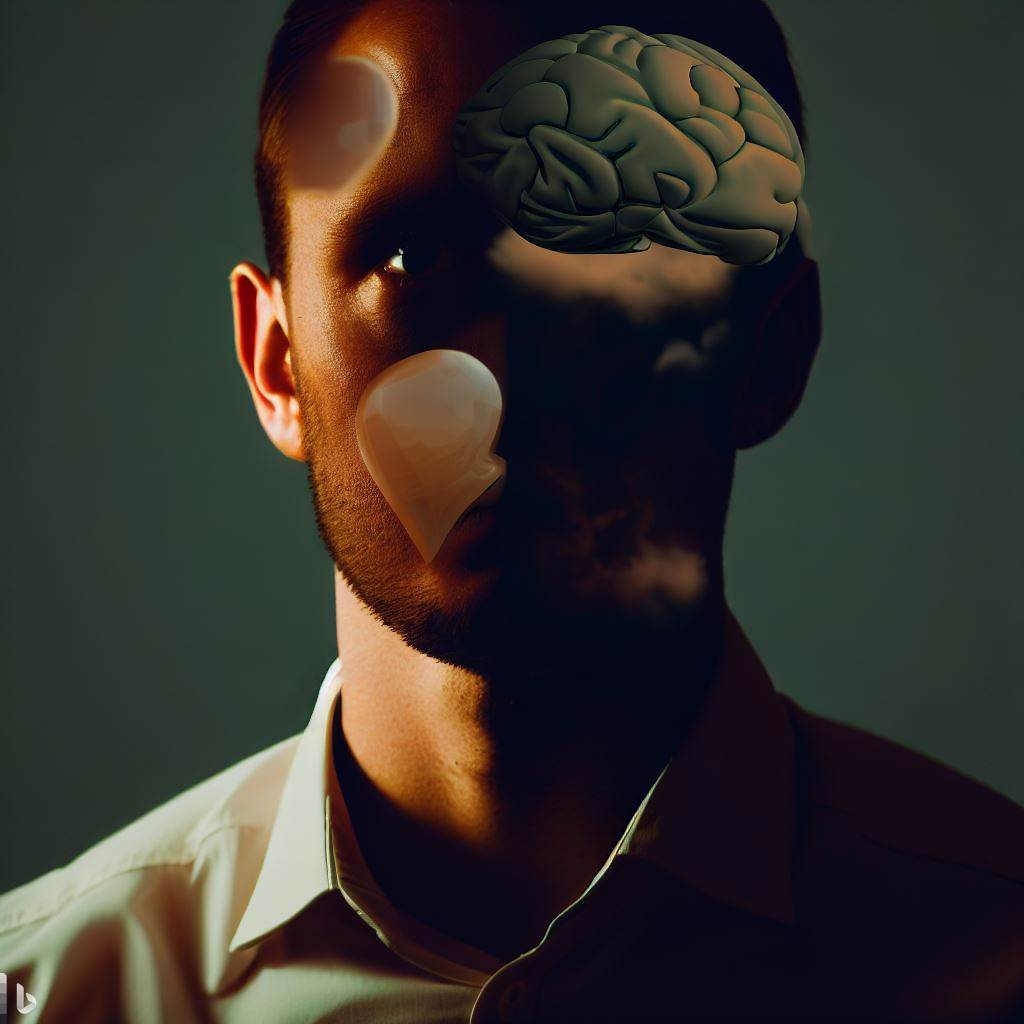
Mental health refers to the state of a person's emotional, psychological, and social well-being. It is an essential aspect of life that determines how we feel, think, and act in our daily lives. Mental health can be influenced by a variety of factors, including genetics, environment, and life experiences. In this article, we will discuss the different aspects of mental health and the ways to maintain good mental health.
Introduction: What is Mental Health?
Mental health is the state of a person's psychological and emotional well-being. It is crucial for our overall health and well-being. Mental health can be influenced by a variety of factors, such as genetics, environment, and life experiences. The different aspects of mental health include emotional, psychological, and social well-being.
Emotional Aspects of Mental Health
Self-esteem and Confidence
Self-esteem and confidence play a crucial role in our mental health. Self-esteem refers to our beliefs about ourselves, whereas confidence is our ability to handle challenges and overcome obstacles. Low self-esteem and confidence can lead to anxiety and depression, whereas high self-esteem and confidence can lead to resilience and better mental health.
Emotions and Feelings
Emotions and feelings are essential aspects of our mental health. They influence how we respond to situations and how we interact with others. Negative emotions like fear, anger, and sadness can lead to mental health issues like depression and anxiety. Positive emotions like joy, gratitude, and love, on the other hand, can improve our mental health and well-being.
Coping Mechanisms
Coping mechanisms are the strategies we use to deal with stress and challenging situations. Healthy coping mechanisms, like exercising and meditating, can improve our mental health and well-being. Unhealthy coping mechanisms, like substance abuse and binge-eating, can lead to mental health issues and addiction.

Psychological Aspects of Mental Health
Cognitive Functioning
Cognitive functioning refers to our ability to think, reason, and remember. Good cognitive functioning is essential for our mental health and well-being. Poor cognitive functioning can lead to mental health issues like dementia and Alzheimer's disease.
Perception and Reality
Perception and reality are important aspects of our mental health. Our perception of reality can influence our thoughts, emotions, and behavior. Distorted perceptions of reality, like delusions and hallucinations, can lead to mental health issues like schizophrenia.
Personality Traits
Personality traits refer to the patterns of thoughts, feelings, and behaviors that define our individuality. Some personality traits, like openness and conscientiousness, can promote mental health and well-being. Other personality traits, like neuroticism and hostility, can lead to mental health issues like depression and anxiety.

Social Aspects of Mental Health
Social Support
Social support refers to the resources we have in our social network to cope with stress and challenging situations. Good social support can improve our mental health and well-being. Poor social support can lead to mental health issues like depression and loneliness.
Relationships and Interpersonal Communication
Relationships and interpersonal communication are essential aspects of our mental health. Positive relationships and effective communication can improve our mental health and well-being. Here are some ways in which relationships and communication impact our mental health:
Positive Relationships
Having positive relationships can provide us with a sense of belonging and support. Positive relationships can improve our self-esteem and reduce stress levels, leading to better mental health and well-being. Building positive relationships involves effective communication, trust, and mutual respect.
Negative Relationships
Negative relationships can have a significant impact on our mental health and well-being. Toxic relationships can lead to stress, anxiety, and depression. It is essential to recognize and address negative relationships to protect our mental health and well-being.
Effective Communication
Effective communication is crucial to building and maintaining positive relationships. It involves active listening, expressing oneself clearly and respectfully, and being open to feedback. Effective communication can improve our relationships and mental health.
Conflict Resolution
Conflict is a natural part of any relationship, but how we resolve conflicts can impact our mental health. Effective conflict resolution involves communication, compromise, and problem-solving skills. It can improve our relationships and reduce stress levels.
Community Involvement
Community involvement refers to our participation in social groups and activities in our local community. Being involved in our community can improve our mental health and well-being by providing a sense of belonging and purpose. Lack of community involvement can lead to social isolation and mental health issues like depression.

Maintaining Good Mental Health
Maintaining good mental health is essential for our overall well-being. Here are some ways to maintain good mental health:
Self-care
Self-care refers to the activities we do to take care of our mental, emotional, and physical well-being. Engaging in self-care activities like exercise, meditation, and hobbies can improve our mental health and well-being.
Seeking Professional Help
If you are experiencing mental health issues, it is essential to seek professional help. Mental health professionals, like therapists and psychiatrists, can provide treatment and support to improve your mental health and well-being.
Reducing Stress
Stress can negatively impact our mental health and well-being. It is essential to manage stress effectively by practicing relaxation techniques, setting boundaries, and avoiding unhealthy coping mechanisms like substance abuse.
Conclusion
Mental health is an essential aspect of our overall well-being. It includes emotional, psychological, and social well-being. Maintaining good mental health involves engaging in self-care activities, seeking professional help, and managing stress effectively. By taking care of our mental health, we can improve our overall well-being and lead fulfilling lives.
FAQs
What is mental health?
Mental health refers to the state of a person's emotional, psychological, and social well-being.
What are the different aspects of mental health?
The different aspects of mental health include emotional, psychological, and social well-being.
How can I maintain good mental health?
You can maintain good mental health by engaging in self-care activities, seeking professional help, and managing stress effectively.
Can a lack of community involvement lead to mental health issues?
Yes, a lack of community involvement can lead to social isolation and mental health issues like depression.
What are some healthy coping mechanisms?
Some healthy coping mechanisms include exercising, meditating, and practicing relaxation techniques.
About the Creator
VitalityVibe
Welcome to VitalityVibe, your ultimate resource for unlocking your health potential and embracing a vibrant life. Our platform is designed to inspire and guide you on your journey to holistic well-being.
Keep reading
More stories from VitalityVibe and writers in Lifehack and other communities.
Do Infertile Women Have Periods: The Truth About Menstruation
As a woman, your period is a normal part of life. It's a monthly reminder that your reproductive system is functioning correctly, and it can be a source of relief or stress, depending on your personal situation. But what happens when you're unable to conceive? Do infertile women have periods? In this article, we'll explore the topic of infertility and menstruation in detail, answering some of the most common questions related to the subject.
By VitalityVibe3 years ago in Lifehack
How Big Game Hunting in Namibia Supports Wildlife Conservation
Namibia is widely recognized as one of Africa’s greatest wildlife conservation success stories. Unlike many countries where wildlife populations have declined, Namibia has seen steady growth in key species such as elephant, black rhino, lion, and plains game. A major reason behind this success is the country’s carefully regulated big game hunting namibia model, which directly supports conservation, habitat protection, and rural livelihoods.
By Aru Game Lodges 5 days ago in Lifehack
A Priceless Lesson of Life
There was once a man who had four sons. He deeply wished that his sons would learn one of the most important lessons of life: never be quick to judge others. He believed that true understanding comes only with patience and time. To teach them this lesson in a meaningful way, he decided to send them on a journey.
By Sudais Zakwan3 days ago in Lifehack




Comments