
Aroma vs Zojirushi Rice Cooker: Budget Pick or Premium Upgrade?
Aroma vs Zojirushi Rice Cooker

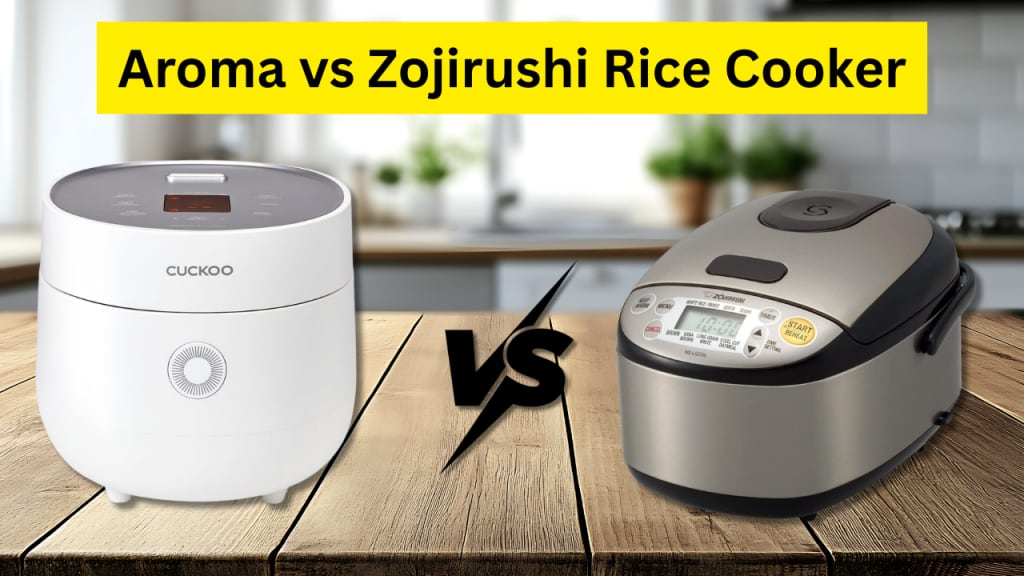
Choosing between Aroma vs Zojirushi Rice Cooker can feel harder than it should be, especially when you just want perfect rice without the guesswork. I’ve compared the features, price, and cooking results to see what really matters for everyday meals in a busy U.S. kitchen.
Here’s what stands out, what I notice most, and which one may fit your routine best, so you can pick with confidence.
Brand Profile
When people compare Aroma vs Zojirushi Rice Cooker, it usually comes down to long-term quality versus budget value. Here’s how I see each brand in the real world.
Aroma
Aroma is known for simple, affordable rice cookers that get the job done. I like how easy the controls are, especially for busy weeknight meals. The brand focuses on value and multi-cooker features, which appeal to small households, college students, and budget shoppers. While it may not match high-end precision, it offers solid everyday performance at a low price.
Zojirushi
Zojirushi has a strong reputation for precision and durability. I notice many home cooks and even chefs trust it for consistent, fluffy rice every time. The brand is known for advanced heating technology and long lifespans, often lasting over a decade. In many U.S. kitchens, it’s seen as a premium investment for families who cook rice several times a week.
Is the AROMA ARC-393NG Rice Cooker a Good Choice?
Yes, it’s a good choice if the goal is simple, fast rice on a tight budget. I appreciate how the AROMA ARC-393NG Rice Cooker keeps things easy with one-touch cooking and auto keep warm for quick weeknight sides.
I also like the small 3-cup uncooked size for apartments, dorms, and smaller U.S. kitchens, and it also handles oatmeal and soup without extra fuss. Just expect basic results, not “perfect every grain” precision.
What I Like
- One-touch cook and keep warm
- Good size for small meals
- Nonstick pot cleans fast
- Cooks rice in about 20 minutes
- Works for oatmeal and soup
What I Don’t Like
- Warm mode can dry or brown rice
- Mixed long-term durability
Recommendation
Best for quick rice, oatmeal, and simple meals on a low budget. If cooking rice daily and wanting top texture across many rice types, a Zojirushi may suit better, but this one covers the basics well for most small households.
Is the Zojirushi Micom Compact Size Rice Cooker a Good Choice?
Yes, it’s a strong choice for small households that want reliable, high-quality rice every time, especially when comparing Aroma vs Zojirushi Rice Cooker options. I like how the Zojirushi Micom 3-Cup Compact Size Rice Cooker handles white, brown, and even steel-cut oats with steady results.
I notice the texture stays fluffy and never scorched, even on keep warm. The compact design fits well in smaller U.S. kitchens, and the retractable cord makes storage simple. The higher price reflects better build quality and smart cooking settings.
What I Like
- Consistent, even cooking
- Multiple rice and oatmeal settings
- Retractable power cord
- Compact and easy to store
- Reliable keep warm mode
What I Don’t Like
- High upfront cost
- Internal clock battery needs service later
Recommendation
Great for couples or small families who cook rice often and want dependable texture across many rice types. The price is higher, but the long-term performance and smart features make it worth considering over basic models.
Aroma vs Zojirushi Rice Cooker: Key Differences in Details
Cooking Technology: One-Touch Switch vs Advanced Micom Fuzzy Logic
With the Aroma ARC-393NG, cooking feels very straightforward. Add rice, add water, press the switch, and it flips to warm when it thinks the job is done. I like the simplicity for quick dinners, but the tradeoff is less control when rice types act differently.
The Zojirushi NS-LGC05 Micom feels more “set it and forget it” in a smarter way. It uses micom fuzzy logic to adjust heat and time as it cooks, which helps when switching between white rice, brown rice, or oats. The downside is paying more for features some people may not need.
Rice Texture and Precision: Basic Heating vs Smart Temperature Control
Aroma ARC-393NG can make soft, satisfying rice fast, especially for everyday white rice. I notice it can crust a bit on the bottom if it sits on warm too long, and starchy rice can boil up if the grains are not rinsed well.
Zojirushi NS-LGC05 is built for texture lovers. Rice tends to come out more even, with fewer dry edges and less guesswork on water lines. It can take longer than a basic pot on the stove, but the payoff is steady results that feel more polished.
Menu Options and Presets: Simple Cooking vs Multi-Function Settings
Aroma ARC-393NG keeps things basic, and that’s the point. It’s fine for rice, quick oatmeal, and simple soups, which works well for small meals or casual prep. I like how there are no confusing buttons, but it won’t guide you through specialty grains.
Zojirushi NS-LGC05 gives more preset choices, like steel-cut oatmeal, sushi rice, long-grain white, and GABA brown. That helps when meal planning or rotating grains. The menus take a little learning at first, but they make the cooker feel more versatile.
Capacity and Kitchen Fit: Compact Budget Model vs Compact Premium Design
Aroma ARC-393NG is small and practical, but it makes more cooked rice since 3 cups uncooked turns into about 6 cups cooked. That’s handy for meal prep bowls, leftovers, or a small family dinner without needing a large appliance on the counter.
Zojirushi NS-LGC05 stays compact too, but it’s a true 3-cup uncooked cooker made for smaller batches. It’s great for couples or solo cooking, and I notice it’s easier to store neatly thanks to the built-in handle and cleaner overall shape.
Heating System and Power: Standard Bottom Heat vs Triple Heater System
Aroma ARC-393NG runs at lower power and uses a simple heating plate design. It heats from the bottom, so stirring and water ratios matter more for even texture. For basic rice, it’s fine, but thicker foods like chili can need a little attention to avoid sticking.
Zojirushi NS-LGC05 uses higher power and a triple heater system that surrounds the pot with more balanced heat. That even heating helps reduce hot spots and improves consistency across different grain types. It feels more reliable when aiming for repeatable results.
Lid Design and Build Quality: Glass Lid vs Detachable Stainless Inner Lid
Aroma ARC-393NG uses a tempered glass lid, which makes it easy to peek inside without lifting. That’s helpful when cooking oatmeal or soup and trying to avoid overflow. The lid is easy to wash, and the inner pot is often simple to clean and store.
Zojirushi NS-LGC05 uses a detachable inner lid, which feels more premium and better sealed during cooking. Steam control is tighter, and cleanup is still manageable, though it’s usually hand wash. The build feels sturdier, but it’s less “quick rinse and done.”
Special Features and Convenience: Keep Warm Only vs Delay Timer and Melody Alert
Aroma ARC-393NG is mostly about cooking and switching to keep warm. That’s perfect when dinner is simple, but warm mode can be tricky if rice sits too long, since the bottom can brown. I notice unplugging after cooking helps avoid drying out.
Zojirushi NS-LGC05 adds convenience extras like a delay timer, clock display, and a melody alert when cooking starts and ends. That fits busy weekday routines, like setting rice before work and coming home to it ready. The internal clock battery is a small long-term drawback.
Price and Long-Term Value: Budget Entry-Level vs Premium Investment
Aroma ARC-393NG is priced like a starter cooker, which makes it easy to buy without overthinking. It’s a smart pick for students, first apartments, or anyone who just wants rice without spending much. The tradeoff is fewer advanced settings and less long-term confidence.
Zojirushi NS-LGC05 costs much more upfront, so it makes sense when rice is a weekly staple and texture matters. It feels built for long-term use, and the cooking precision can replace trial-and-error. In the Aroma vs Zojirushi Rice Cooker choice, this is the “pay more, stress less” option.
User review and feedback
Across Amazon reviews, Aroma ARC-393NG gets love for quick, easy rice and a low price, but I notice repeat complaints about boil-overs if rice isn’t rinsed well and a crusty bottom if it stays on warm too long. On Amazon, the Zojirushi NS-LGC05 gets praised for steady texture, helpful presets, and strong keep-warm performance, though the main concerns are the higher cost and the internal clock battery.
In Reddit threads and roundup-style Reddit summaries, Zojirushi is the model most people recommend for long-term reliability and “buy once” quality, while Aroma is framed as the best budget starter. In the Aroma vs Zojirushi Rice Cooker debate, I like how the feedback is consistent: Aroma saves money now, Zojirushi saves effort and frustration later.
Final thoughts
In the Aroma vs Zojirushi Rice Cooker choice, it really comes down to budget and how often rice is on the menu. I recommend the Aroma for low-cost, simple meals and small kitchens where quick white rice is enough.
I appreciate the Zojirushi for steady texture, brown rice, and meal prep that needs precision. For tight budgets, Aroma makes sense. For long-term value and premium results, Zojirushi is the smarter buy.
FAQs
Which is better in Aroma vs Zojirushi Rice Cooker?
It depends on the goal. Aroma is better for tight budgets and simple white rice. Zojirushi is better for precise texture, brown rice, and steel-cut oats. I notice Zojirushi stands out when rice is cooked several times a week.
Does Zojirushi really cook better rice?
Yes, especially for different grain types. Its micom technology adjusts heat and time. The texture is more even and less likely to burn on warm.
Is Aroma good for beginners?
Yes. It has one-touch control and simple water lines. I like how easy it feels for quick weeknight meals.
Which lasts longer?
Zojirushi models often last many years with proper care. Aroma works well but is more of a budget option.
Are both models 120V for U.S. outlets?
Yes. Both are designed for standard U.S. 120V kitchens, so no voltage converter is needed.
About the Creator
Mohammed mamun
Hi, I'm Mohammed Mamun — a chef, food blogger, and content writer with 15 years of experience in the culinary world. I specialize in honest reviews of home appliances and create simple, flavorful recipes for home cooks and food lovers alike
Keep reading
More stories from Mohammed mamun and writers in Lifehack and other communities.
Aroma vs Oster Rice Cooker: Which One Is Better for Small Kitchens?
Choosing between an Aroma vs Oster Rice Cooker can feel harder than it should be. I’ve compared both because I wanted rice that turns out right without extra steps. Here’s what I’ve learned about how they cook, how they last, and which one may fit your kitchen best. If you’re stuck between the two, this will help you decide fast.
By Mohammed mamuna day ago in Lifehack
Brickell vs. The Valley: Why Tech Founders Are Choosing Florida in 2026
I remember the first time I walked through Brickell City Centre in early 2026. For a moment, I had to remind myself I wasn't in downtown San Francisco or Manhattan. The air was different—thick with salt and a peculiar, high-octane energy that you only feel in a place that knows it’s on the rise.
By Mary L. Rodriquez7 days ago in Lifehack
Carrying Sound Through Tulsa
A piano carries more than sound. It carries time. Even when silent, it holds the imprint of hands that once rested on its keys, of rooms that shaped its voice, and of moments that unfolded quietly around it. In Tulsa, a city where music has long been woven into daily life, moving a piano feels less like relocating an object and more like guiding a piece of lived experience into a new chapter.
By House Doctor2 days ago in Lifehack



Comments
There are no comments for this story
Be the first to respond and start the conversation.