
Are You Listening to Your Body? Signs You Should Never Ignore
Your body speaks—are you paying attention? Learn the key warning signs that could signal serious health issues and why listening to them can save your life.

Your body is like a finely tuned machine, constantly sending signals to let you know when something is off. But in the chaos of everyday life, it’s easy to dismiss or overlook these signals as minor inconveniences. However, some signs could be your body’s way of alerting you to potential health problems that require attention. Ignoring these signs could lead to severe consequences. Are you truly listening to your body? Here are some warning signs you should never ignore—and why they matter.
### 1. **Unexplained Fatigue**

Feeling tired after a long day is normal, but persistent fatigue that doesn’t improve with rest might indicate something deeper. Chronic fatigue could be a symptom of conditions like anemia, thyroid dysfunction, sleep apnea, or even heart problems. If you find yourself constantly exhausted despite adequate sleep, it’s time to consult a healthcare provider.
### 2. **Sudden or Severe Headaches**

Occasional headaches are common, but if you experience sudden, intense, or “thunderclap” headaches, it could signal a more serious issue like a brain aneurysm or stroke. Pay attention to the frequency and severity of your headaches, and don’t hesitate to seek medical attention if they worsen or are accompanied by symptoms like vision changes, confusion, or numbness.
### 3. **Chest Pain or Discomfort**

Chest pain isn’t always a heart attack, but it should never be ignored. It could be a sign of angina (reduced blood flow to the heart), gastrointestinal issues like acid reflux, or even a pulmonary embolism (a blood clot in the lungs). Any chest discomfort, especially if it spreads to the arms, neck, or jaw, warrants immediate medical attention.
### 4. **Changes in Digestion**
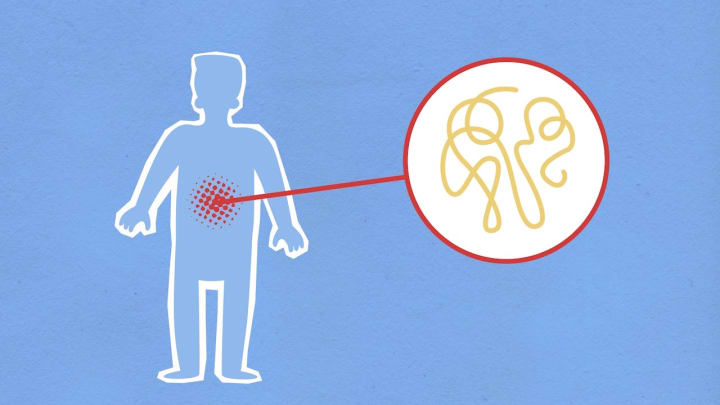
Your digestive system is a strong indicator of your overall health. Persistent bloating, constipation, diarrhea, or abdominal pain could point to underlying conditions like irritable bowel syndrome (IBS), food intolerances, or more serious problems like ulcers or colon cancer. Listen to your gut—literally.
### 5. **Unintentional Weight Changes**

Losing or gaining weight without changes to your diet or exercise routine is worth investigating. Sudden weight loss could indicate issues like diabetes, hyperthyroidism, or even cancer, while unexplained weight gain could suggest hormonal imbalances, kidney problems, or heart failure.
### 6. **Persistent Cough or Hoarseness**

A cough that lingers for weeks or a hoarse voice that won’t go away might seem harmless but could indicate conditions like asthma, acid reflux, or even lung cancer. If you’re coughing up blood or experiencing shortness of breath, seek medical attention immediately.
### 7. **Skin Changes**

Your skin is a window to your internal health. Unexplained rashes, persistent itching, or changes in moles could be signs of allergies, autoimmune disorders, or skin cancer. Keep an eye on any new or unusual skin changes and consult a dermatologist if needed.
### 8. **Unusual Bleeding or Bruising*

If you notice frequent bruising, prolonged bleeding from small cuts, or bleeding in unusual places like your gums or nose, it could be a sign of a clotting disorder, vitamin deficiency, or even leukemia. Don’t ignore unusual bleeding—it’s your body’s way of telling you something is off.
### 9. **Shortness of Breath**
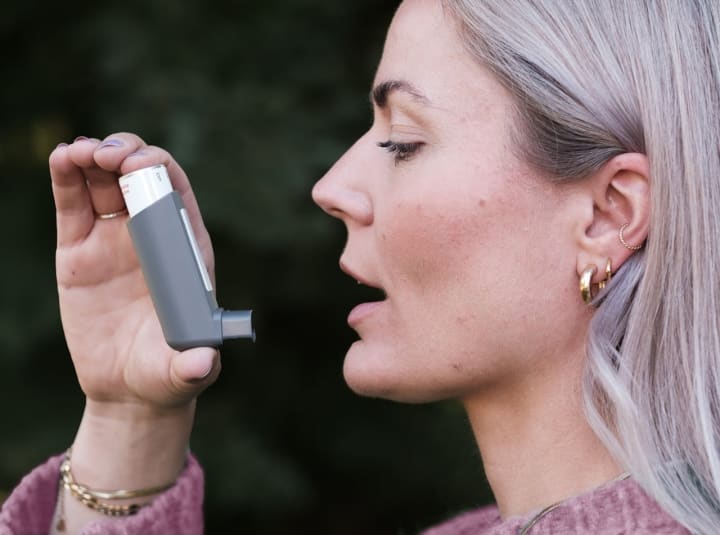
Feeling breathless after climbing stairs is normal, but persistent shortness of breath, especially during rest, is not. It could indicate heart or lung conditions, including asthma, COPD, or even a silent heart attack. Don’t dismiss this symptom—it’s better to be cautious.
### 10. **Mental Health Symptoms**

Finally, don’t overlook your mental health. Persistent feelings of sadness, anxiety, or hopelessness are just as significant as physical symptoms. Your brain and body are connected, and addressing mental health concerns is essential for overall well-being.
### Listen and Act

Your body knows what it needs—it’s up to you to listen. While not every symptom is a cause for alarm, it’s better to err on the side of caution and seek professional advice when in doubt. Early detection can make all the difference in managing and treating potential health issues.
**Your Turn: What Signals Have You Noticed?**
Have you ever experienced any of these warning signs? What did your body try to tell you? Share your experiences in the comments below—your story might help someone else recognize and address their symptoms. Let’s start a conversation about listening to our bodies and prioritizing our health!
---
Would you like me to help polish or format this further?
About the Creator
Millicent Chisom
Hi there! I'm Millicent Chisom, a medical student with a deep love for all things health, wellness, and of course—desserts! When I’m not immersed in medical textbooks or studying for exams,
Keep reading
More stories from Millicent Chisom and writers in Lifehack and other communities.
The Truth About Weight Loss Trends You See on TikTok
*Are viral hacks actually helping—or harming your health?* TikTok has become a go-to platform for discovering the latest trends, and weight loss is no exception. From detox teas to intense workout challenges, it’s easy to get swept up in the excitement of quick fixes and promises of instant results. But are these viral hacks really the solution to your weight loss journey, or are they more harmful than helpful? Let’s uncover the truth behind some of TikTok’s most popular weight loss trends and find out what actually works.
By Millicent Chisomabout a year ago in Lifehack
Phoenix, Arizona: The City That Learned to Grow With the Desert
When people first arrive in Phoenix, Arizona, the landscape can feel almost surreal. The vast Sonoran Desert stretches outward with towering saguaro cacti, rugged mountains, and wide skies that shift colors dramatically at sunset. At first glance, it seems like an unlikely place for a major metropolitan area.
By House Doctor7 days ago in Lifehack
The mistake that keeps high performers stuck
There is a common assumption many professionals carry throughout their careers. It sounds logical at first. If I work hard, produce great results, and consistently deliver strong performance… eventually I will be recognized and promoted.
By Bahati Mulishi3 days ago in Lifehack



Comments
There are no comments for this story
Be the first to respond and start the conversation.