
Are Bamboo Cutting Boards Safe? A Complete Guide
Pros, cons, and care tips to know: Are Bamboo Cutting Boards Safe?

Bamboo cutting boards have become a popular choice in kitchens worldwide. Known for their eco-friendliness and sleek look, many wonder: are bamboo cutting boards safe for everyday food preparation?
While bamboo is sustainable and stylish, safety, durability, and hygiene are important considerations. In this blog, we’ll explore everything about bamboo cutting boards and compare them with modern alternatives like titanium and stainless steel.
What is a Bamboo Cutting Board?

A bamboo cutting board is created by compressing thin strips or fibers of bamboo under pressure. Unlike traditional wood, bamboo is technically a grass, which grows rapidly and regenerates without replanting, making it highly sustainable.
Because bamboo is naturally dense, these cutting boards resist water absorption better than softer woods. This helps reduce bacteria buildup and raises the common question: Are Bamboo Cutting Boards Safe for regular food preparation in busy kitchens?
Lightweight yet strong, bamboo cutting boards provide a sturdy surface for chopping vegetables, fruits, and meats. Their balance of durability, renewable sourcing, and modern design has made them one of the most popular options for kitchens today.
Key Features of a Bamboo Cutting Board
Bamboo cutting boards are stylish, eco-friendly, and widely used in modern kitchens. But many home cooks wonder: are bamboo cutting boards safe for everyday food preparation?
Eco-Friendly
Bamboo grows remarkably fast, often reaching maturity in just three to five years. Unlike hardwood trees that take decades to regenerate, bamboo regenerates naturally after harvesting, making it a renewable, eco-friendly option for sustainable kitchens.
Durable Surface
Bamboo cutting boards are harder than most traditional wooden boards. This toughness helps them resist knife marks, scratches, and dents, giving you a long-lasting surface that can withstand daily chopping and slicing tasks.
Lightweight
Despite being strong and dense, bamboo is surprisingly lightweight. This makes the boards easy to lift, carry, and store, especially useful for home cooks who prepare meals frequently and need convenience in the kitchen.
Affordable
Bamboo cutting boards are typically more budget-friendly compared to premium wooden options. Their affordability allows households to enjoy a durable, eco-conscious product without overspending, making bamboo a practical choice for cost-conscious home cooks.
Aesthetic Appeal
With their smooth finish and natural tones, bamboo cutting boards bring a sleek, modern style to any kitchen. Their design blends function with elegance, adding visual appeal while maintaining excellent food preparation performance.
When asking Are Bamboo Cutting Boards Safe, it’s essential to look at their durability, maintenance, and hygiene compared with other options.
Are Bamboo Cutting Boards Safe?

So, Are Bamboo Cutting Boards Safe for everyday cooking? The answer is yes, provided they’re properly cared for. Bamboo’s dense fibers naturally resist water absorption, reducing the chance of bacterial growth when compared with softer wooden cutting boards.
Some bamboo boards use glues with harmful chemicals like formaldehyde, raising safety concerns. High-quality bamboo cutting boards are food-safe, tested, and free from dangerous adhesives, making them safer for everyday kitchen use.
To ensure safety, it’s best to buy bamboo cutting boards from reputable brands. Proper cleaning, immediate drying, and occasional oiling also help maintain hygiene. With the right board and care, bamboo remains a safe, eco-friendly kitchen option.
Is a Bamboo Cutting Board Dishwasher Safe?
Although bamboo is durable, it is not dishwasher safe. High heat, steam, and detergents can cause bamboo cutting boards to warp, crack, or split after repeated washing cycles.
Some adhesives used in bamboo construction also weaken under dishwasher conditions. This breakdown reduces durability and may shorten the board’s lifespan significantly.
For those wondering, Are Bamboo Cutting Boards Safe in dishwashers? The answer is no. Always hand wash with warm, soapy water, rinse thoroughly, and dry immediately.
Avoid soaking or leaving the board in standing water. Proper care keeps bamboo cutting boards safe, long-lasting, and hygienic for daily use.
Pros & Cons of Bamboo Cutting Boards
When asking Are Bamboo Cutting Boards Safe, it’s important to weigh the pros and cons of bamboo cutting boards, since their benefits and drawbacks can affect both safety and long-term kitchen performance.
Pros of Bamboo Cutting Boards
- Renewable and eco-friendly material.
- Affordable compared to premium cutting boards.
- Resists knife marks better than softer woods.
- Naturally resists bacteria and odors.
- Lightweight and easy to handle.
Cons of Bamboo Cutting Boards
- Not dishwasher safe.
- A harder surface can dull knives faster.
- May contain adhesives if not from a trusted brand.
- It can warp if exposed to too much moisture.
- Requires regular oiling to maintain condition.
Overall, answering the question Are Bamboo Cutting Boards Safe comes down to balancing their eco-friendly advantages with the extra care required, helping home cooks decide whether bamboo suits their kitchen or if modern alternatives are better.
How to Care for a Bamboo Cutting Board
Caring for a bamboo board ensures both safety and longevity. If you’re wondering Are Bamboo Cutting Boards Safe, proper care is the key. Follow these steps to keep your board clean, durable, and reliable:
- Hand Wash Only: Use warm, soapy water and rinse thoroughly.
- Dry Upright: Always dry immediately to prevent warping.
- Oil Regularly: Apply food-grade mineral oil once a month to keep the surface hydrated.
- Avoid Excess Moisture: Never soak the board or leave it wet.
- Disinfect Naturally: Occasionally, use lemon juice or vinegar to kill lingering bacteria.
With proper care, bamboo cutting boards remain safe and reliable for years.
Bamboo vs. Other Cutting Board Materials – Which is Best?
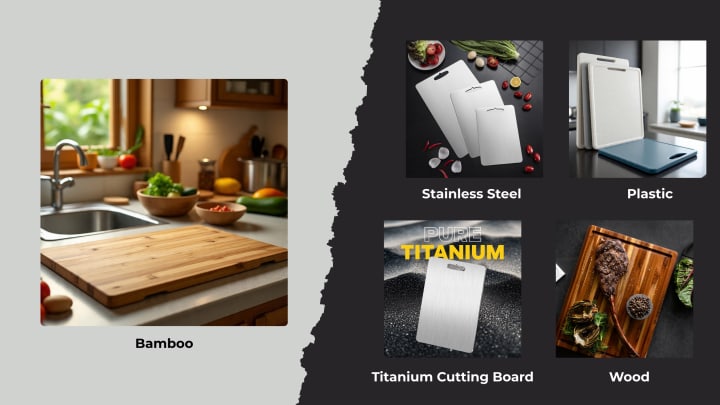
When comparing different surfaces, many cooks ask, Are Bamboo Cutting Boards Safe compared to other materials? Each option—titanium, stainless steel, wood, and plastic—offers unique benefits, but bamboo remains a strong contender for eco-conscious kitchens.
Titanium Cutting Boards
Titanium is incredibly strong, lightweight, and hygienic. It does not warp, crack, or absorb moisture. Unlike bamboo, titanium is dishwasher safe, requires no oiling, and lasts for decades without losing quality.
Stainless Steel Cutting Boards
Stainless steel offers durability and a sleek design. It resists bacteria, stains, and odors while being easy to clean. Although harder on knives, stainless steel is dishwasher safe and low maintenance compared to bamboo.
Wooden Cutting Boards
Traditional wooden boards are softer on knives and visually appealing. However, they require frequent oiling, can absorb water, and are prone to warping or cracking if not cared for properly.
Plastic Cutting Boards
Plastic boards are affordable and dishwasher safe. However, they easily develop grooves where bacteria can hide. Over time, they need frequent replacement and may release microplastics into food.
Compared to these, bamboo stands out as eco-friendly and budget-friendly. But for those asking Are Bamboo Cutting Boards Safe, titanium and stainless steel boards offer superior hygiene, durability, and long-term performance.
Modern Choosing with Titanium and Stainless Steel Cutting Boards
Today’s home cooks want durability, hygiene, and a non toxic cutting board that’s safe for their family. Many wonder, Are Bamboo Cutting Boards Safe, but titanium and stainless steel provide superior performance, hygiene, and long-term value.
Compared to bamboo or plastic, these advanced options offer better hygiene, effortless cleaning, and long-lasting value, making them the smarter choice for modern kitchens.
ChopChop USA Titanium Cutting Board
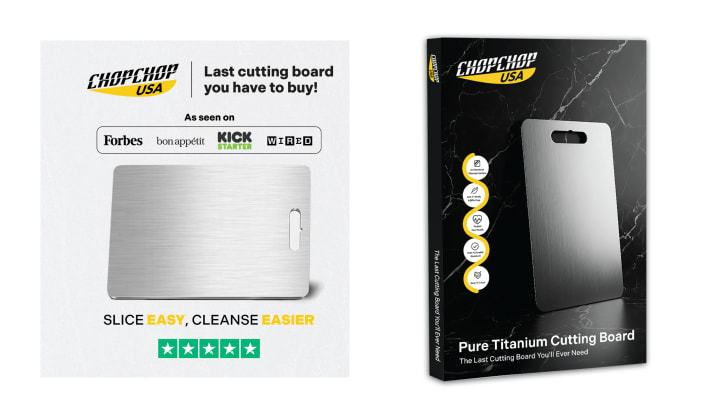
The ChopChop USA Titanium Cutting Board is engineered for cooks who demand performance, hygiene, and durability. Here’s why it’s a must-have:
- Ultra-Durable: Unlike bamboo or plastic, titanium doesn’t warp, crack, or deteriorate.
- Naturally Antibacterial: Its non-porous surface resists bacterial growth.
- Effortless Cleaning: Simply rinse or place in the dishwasher.
- Knife-Friendly: Softer than steel, preserving knife sharpness.
- Non-Toxic: 100% food-safe, no microplastics or chemicals.
- Cost-Effective: No need for constant replacements.
- Stylish & Functional: Professional-grade performance with modern design.
This board outperforms bamboo by combining hygiene, durability, and convenience into one premium tool.
ChopChop USA Stainless Steel Cutting Board

The ChopChop USA Stainless Steel Cutting Board is another excellent option:
- Durable: Resistant to warping or cracking.
- Antibacterial: Hygienic and safe for food prep.
- Easy to Clean: Rinse, wipe, or dishwasher safe.
- Knife-Friendly: Designed to minimize blade wear.
- No Microplastics: Non-toxic and chemical-free.
- Budget-Friendly: Long-term value without frequent replacements.
- Premium Choice: Balances performance, hygiene, and modern style.
For cooks who prioritize safety and durability, stainless steel provides an advanced alternative to bamboo cutting boards.
Conclusion
So, are bamboo cutting boards safe for everyday kitchen use? Yes, when cared for properly. They’re eco-friendly, durable, and affordable, but not dishwasher safe and may require maintenance like oiling.
For those seeking low-maintenance, ultra-hygienic, and long-lasting solutions, titanium and stainless steel boards are the smarter investment. Choosing modern alternatives ensures safety, durability, and style without the upkeep bamboo requires.
FAQs
Are bamboo cutting boards safe for raw meat?
Yes, bamboo cutting boards are safe for raw meat if cleaned thoroughly after use. Use warm, soapy water and disinfect with vinegar or lemon juice to kill bacteria.
How long do bamboo cutting boards last?
With proper care, bamboo cutting boards last three to five years. Regular oiling, immediate drying, and avoiding dishwashers help extend their lifespan while maintaining safety.
Do bamboo cutting boards dull knives?
Yes, bamboo’s hardness can dull knives faster than softer wood boards. Regular sharpening and using quality knives help reduce wear from bamboo cutting surfaces.
Can I put my bamboo cutting board in the dishwasher?
No, bamboo cutting boards should not go in the dishwasher. Heat and moisture can warp, split, and weaken the adhesives, reducing durability and making them unsafe.
What is the safest cutting board material?
The safest cutting board materials are titanium and stainless steel because they are non-porous, antibacterial, dishwasher safe, and long-lasting. Bamboo and wood are safe with proper care, but require more maintenance.
About the Creator
Keep reading
More stories from Olivia Kim and writers in Lifehack and other communities.
Titanium Cutting Board Review – Should You Get One?
If you’re looking for a cutting board that blends hygiene, durability, and modern design, this Titanium Cutting Board Review covers everything you need. Many cooks now consider titanium the best material for cutting board performance, and the ChopChop USA Titanium board is a game-changer.
By Olivia Kim6 months ago in Lifehack




Comments
There are no comments for this story
Be the first to respond and start the conversation.