
Anatomy Focus: Understanding Pressure Points Indian Head Massage.
Discover how anatomy and pressure points work together in Indian head massage. Learn how an accredited Indian head massage course can help you safe, effective, and holistic techniques for client well being.

Indian Head Massage is one of the most effective holistic therapies for reducing tension, improving circulation, and promoting emotional balance. Rooted in the ancient healing traditions of Ayurveda, this practice focuses on key pressure points across the head, neck, shoulders, and upper back — areas where modern lifestyles often accumulate stress.
To perform this therapy effectively, practitioners need a solid understanding of anatomy and pressure points. This knowledge ensures each movement is both therapeutic and safe for the client. In this article, we’ll explore the anatomy involved in Indian Head Massage, the science behind pressure points, and why this understanding is essential for anyone taking an accredited Indian head massage course.
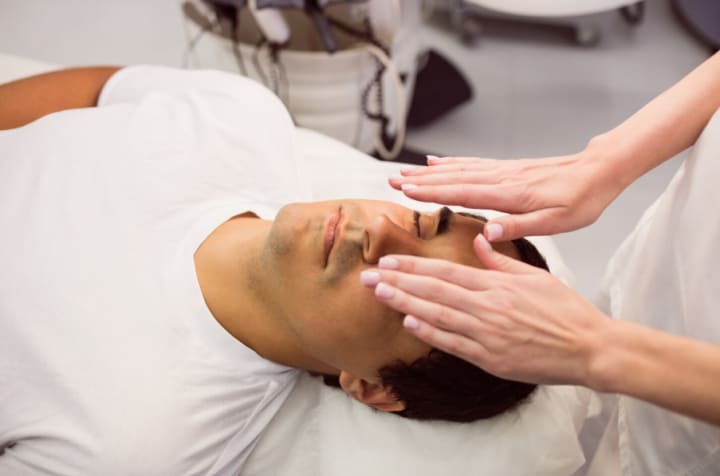
Every professional massage therapist knows that effective treatment begins with understanding the body’s structure and function. The muscles, nerves, blood vessels, and energy channels (known as nadis in Ayurvedic medicine) interact in complex ways. When you apply pressure to certain points, you can stimulate relaxation, release muscular tension, and even improve mental clarity.
In Indian Head Massage, knowledge of anatomy allows you to:
- Target muscles responsible for stiffness and pain
- Avoid delicate areas such as arteries and nerves
- Apply safe and effective pressure for each client
- Create a treatment that balances both the body and mind
Anatomical knowledge doesn’t just improve results — it enhances your confidence and professionalism as a therapist.
Key Anatomical Areas in Indian Head Massage
1. The Scalp
The scalp is composed of five layers, collectively referred to by the acronym SCALP: Skin, Connective tissue, Aponeurosis, Loose areolar tissue, and Pericranium. Beneath these layers lie numerous blood vessels and nerves, including branches of the trigeminal and occipital nerves.
Massaging the scalp helps:
- Increase blood flow to hair follicles, supporting hair growth
- Stimulate nerve endings that promote relaxation
- Relieve tension headaches and eye strain
By working rhythmically across the scalp’s pressure points, a practitioner can bring profound calm to both the body and mind.
2. The Neck and Shoulders
The neck and shoulder regions are often the most affected by stress, posture issues, and repetitive strain. Muscles such as the trapezius, sternocleidomastoid, and levator scapulae commonly hold tension due to prolonged periods of sitting or staring at screens.
Massage in these areas:
- Improves mobility and posture
- Reduces headaches caused by muscular tension
- Encourages lymphatic drainage and detoxification
Understanding the direction of muscle fibres and safe areas for pressure application is essential for achieving therapeutic results.
3. The Face and Jaw
The facial muscles, including the masseter and temporalis, play a significant role in emotional expression and tension retention. Many people unknowingly clench their jaws, especially during periods of stress or concentration.
- Gentle circular movements along the temples, cheeks, and jawline help:
- Release emotional and physical stress
- Improve skin tone and circulation
- Encourage lymphatic drainage, reducing puffiness
Knowing the facial anatomy ensures the massage remains gentle yet effective, avoiding any discomfort for the client.
Understanding Pressure Points (Marma Points)
In the Ayurvedic tradition, the body contains 107 marma points, which are vital energy centers where the body, mind, and spirit intersect. When stimulated, these points can restore energy balance and support healing.
In Indian Head Massage, around 30 marma points are concentrated in the head, face, neck, and shoulders. These points correspond to the body’s energy channels (nadis) and play a crucial role in physical and emotional wellbeing.
Key Marma Points Used in Indian Head Massage
Adhipati Marma (Crown of the Head): Located at the top of the head, this point is linked to mental clarity and spiritual balance. Stimulating it promotes relaxation and focus.
Shankha Marma (Temples): Located on the sides of the forehead, this point helps alleviate headaches and eye strain.
Apanga Marma (Outer Corner of the Eyes): Reduces stress and tension around the eyes, beneficial for those working long hours on screens.
Vidhura Marma (Behind the Ears): Aids in reducing tinnitus and relieving neck stiffness.
Manyamula Marma (Base of the Neck): Improves circulation to the brain and upper body, and releases tightness caused by poor posture.
Learning to identify and activate these points correctly is a fundamental part of professional Indian Head Massage training.
The Science Behind Pressure Point Stimulation
While marma points come from ancient Ayurvedic knowledge, modern science supports many of their effects. Stimulating these points affects the autonomic nervous system, shifting the body from a state of stress (sympathetic dominance) to one of relaxation (parasympathetic activation).
This shift leads to:
- Lowered heart rate and blood pressure
- Improved oxygenation and circulation
- Release of endorphins, the body’s natural “feel-good” hormones
- Reduced levels of cortisol, the stress hormone
Additionally, stimulating pressure points enhances blood flow and lymphatic drainage, which helps remove toxins and promotes clearer skin and a healthier scalp.

How Practitioners Learn to Work with Pressure Points
Understanding pressure points requires both theoretical study and hands-on practice. During an accredited Indian head massage course, students learn to identify anatomical landmarks, pressure techniques, and contraindications for each client.
Such courses typically cover:
- Human anatomy and physiology relevant to head massage
- The location and function of key marma points
- Practical techniques for safe and effective pressure application
- Client consultation and aftercare advice
- Professional standards and hygiene practices
Accredited training ensures therapists gain the competence and confidence needed to deliver effective, client-focused treatments. It also meets industry standards for insurance and professional recognition in the UK.
Safety and Contraindications
Although Indian Head Massage is generally safe, it’s vital to recognise situations where treatment should be avoided or adapted. Contraindications include:
- Recent head or neck injuries
- Skin infections or open wounds
- High fever or contagious illnesses
- Severe migraines during the session
- Certain cardiovascular conditions
During a consultation, always ask about the client’s medical history and current health status. Adjust pressure levels and avoid specific points if there is any doubt about safety.
Integrating Anatomy and Intuition
While anatomy provides the scientific foundation of the therapy, intuition allows a practitioner to tailor each treatment to the client’s individual needs. Every person carries tension differently; being attentive to subtle cues such as muscle tightness, breathing patterns, and facial expression helps refine your approach.
A skilled therapist combines anatomical precision with compassionate awareness, creating a deeply relaxing and healing experience.
Why Knowledge of Pressure Points Elevates Your Practice
Clients today are more aware of holistic wellbeing and expect their therapists to demonstrate both technical skill and understanding. Knowing the body’s anatomy and pressure points elevates your professional credibility. It allows you to explain the purpose of each technique and deliver results that clients can feel immediately.
Incorporating accurate anatomical knowledge into your practice enhances safety, boosts confidence, and improves therapeutic outcomes — all essential elements of a successful massage career.
Conclusion
Understanding the anatomy and pressure points involved in Indian Head Massage transforms a traditional technique into a professional therapeutic art. By studying how the muscles, nerves, and marma points work together, therapists can apply targeted, effective pressure that promotes relaxation, relieves pain, and restores the flow of energy.
For those seeking to master this skill, enrolling in an accredited Indian head massage course offers both the theoretical knowledge and hands-on experience needed to practise confidently. It’s not just about learning technique — it’s about deepening your understanding of the body and enhancing your ability to support holistic wellbeing in every client.
About the Creator
Zojirushi BB HAC10 vs BB SSC10: Which One Should You Buy?
Choosing between the Zojirushi bb hac10 vs bb ssc10 can feel confusing when both promise great homemade bread in a compact size. I like how each model focuses on small 1-pound loaves, which fit typical U.S. households and reduce waste.
By Mohammed mamun3 days ago in Lifehack
Moving With Intention: A Human Reflection on Smart Move Culture in Greenville
There is something deeply transformative about moving. It is not simply the act of transporting belongings from one place to another. It is a process filled with decisions, emotions, expectations, and quiet moments of reflection. Every move represents change, and every change invites uncertainty as well as possibility.
By House Doctor7 days ago in Lifehack
Tatt~Master
— Assembly Line Tatt Machine ~ Impressions to Impress — As I begin to understand more about the Tattoo Phenomenon. I've written silly, yet verbatim, dating site anecdotes in 'Frazzled.' So let me ask you: Would you be More attracted to someone slathered with tattoos, or Less?
By Jay Kantora day ago in Humor


Comments
There are no comments for this story
Be the first to respond and start the conversation.