
Alcohol Testing Methods: From Breathalyzers to EtG Tests
Understanding Alcohol Testing Methods

Introduction
Alcohol testing is a critical tool used across various industries, from law enforcement and healthcare to workplace safety. With multiple testing methods available, understanding the science, purpose, and applications behind these tests can help individuals and organizations make informed decisions.
Let’s dive into the world of alcohol testing and explore its significance in modern-day practices.
What Is Alcohol Testing?
Alcohol testing is the process of detecting the presence of alcohol in a person’s body. It’s commonly used in workplaces, legal settings, and healthcare environments to ensure safety, compliance, and accountability. Whether it’s testing a driver’s sobriety or monitoring a patient’s recovery journey, alcohol testing plays a crucial role in maintaining safety and order.
The Science Behind Alcohol Testing
When you consume alcohol, it’s absorbed into your bloodstream through the stomach and small intestine. The level of alcohol in your blood is measured as Blood Alcohol Concentration (BAC). Different testing methods target the presence of alcohol or its metabolites in various body fluids or tissues, offering insight into recent consumption.
Common Alcohol Testing Methods
Breathalyzers
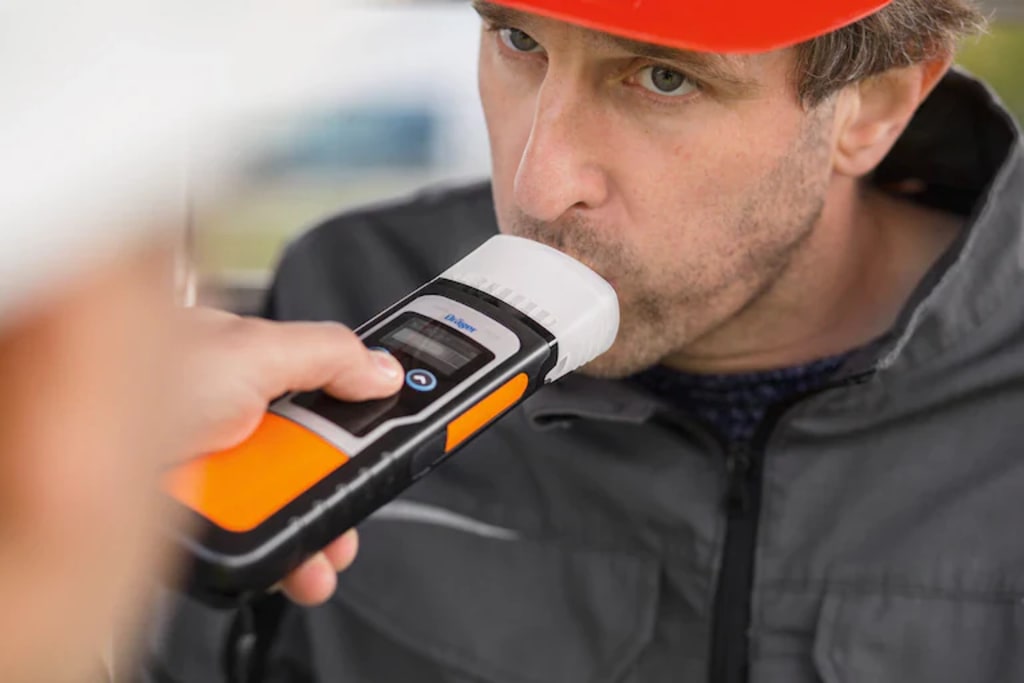
Breathalyzers are the go-to tool for roadside sobriety tests. By analyzing the alcohol content in exhaled breath, these devices provide a quick BAC reading. While convenient and non-invasive, they may not always be as accurate as blood tests.
Benefits:
- Immediate results.
- Portable and easy to use.
Limitations:
- Can be influenced by certain substances or environmental factors.
Blood Alcohol Testing
Blood tests are considered the gold standard for measuring BAC. They provide precise results and are often used in legal cases or medical settings.
When It’s Used:
- DUI investigations.
- Post-accident analyses.
Advantages:
- Highly accurate and reliable.
Urine Alcohol Testing
Urine tests detect alcohol indirectly by measuring metabolites like ethyl glucuronide (EtG). This method is commonly used in workplace testing and recovery programs.
Detection Window:
- Typically up to 48 hours after consumption.
Drawbacks:
- Limited accuracy compared to blood tests.
Hair Alcohol Testing
Hair tests are unique because they can detect alcohol consumption over a long period—up to 90 days. However, they do not provide insights into recent use.
Key Features:
- Best for monitoring long-term patterns.
Saliva Alcohol Testing
Saliva tests are fast and non-invasive, making them ideal for roadside or workplace screenings. While convenient, they are most effective for detecting alcohol consumed within the past 24 hours.
EtG (Ethyl Glucuronide) Testing
What Is EtG?
EtG is a byproduct of alcohol metabolism. Unlike traditional tests that detect alcohol directly, EtG tests identify this metabolite, offering a longer detection window.
How EtG Tests Work
EtG can be found in urine and hair samples. Its sensitivity makes it a preferred choice for monitoring abstinence in recovery programs or legal contexts.
Detection Window:
- Up to 80 hours in urine.
Applications of EtG Tests
EtG tests are widely used in:
- Court-mandated testing.
- Workplace alcohol policies.
- Sobriety monitoring in recovery programs.
Comparing Alcohol Testing Methods
Each method comes with its pros and cons. For instance, breathalyzers are fast but less accurate than blood tests, while EtG tests offer a longer detection window but require careful interpretation.
Legal and Workplace Implications of Alcohol Testing
DOT and Workplace Policies
Industries regulated by the Department of Transportation (DOT), such as trucking and aviation, require regular alcohol testing to ensure compliance with safety standards.
Legal Considerations
State laws vary regarding the legality and scope of alcohol testing. Employers and individuals must stay informed to avoid potential disputes.
The Role of Alcohol Testing in Addiction Recovery
Alcohol testing is a vital tool in supporting individuals on their sobriety journey. By ensuring accountability and monitoring compliance, it helps foster long-term recovery.
Advances in Alcohol Testing Technology
Innovations like smartphone-connected breathalyzers and wearable alcohol sensors are paving the way for more accessible and non-invasive testing.
Challenges and Controversies in Alcohol Testing
Alcohol testing is not without its challenges. Privacy concerns, false positives, and interpretation errors remain significant hurdles in its implementation.
Practical Tips for Accurate Alcohol Testing
To ensure reliable results, follow best practices like using certified testing equipment, collecting samples properly, and avoiding contaminants during testing.
Conclusion
Alcohol testing methods have evolved significantly, offering a range of options for different needs. From the quick results of breathalyzers to the long-term insights provided by EtG tests, each method has its place in maintaining safety, compliance, and accountability.
FAQs
1. What is the most accurate method for alcohol testing?
Blood tests are considered the most accurate method for determining BAC.
2. How long can alcohol be detected in your system?
Detection windows vary: breath (up to 24 hours), urine (up to 80 hours), and hair (up to 90 days).
3. Are home alcohol test kits reliable?
Home kits provide general results but lack the precision of professional tests.
4. Can medications cause false positives in alcohol tests?
Yes, some medications and substances can affect test results. Always disclose medications to the tester.
5. Why are EtG tests widely used in recovery programs?
EtG tests offer a longer detection window, making them ideal for monitoring abstinence.
About the Creator
US Health Testing
US Health Testing is a leading lab-based online drug testing service provider for employers and individuals across the USA. FDA approved & SAMHSA certified labs nationwide available. Schedule your tests online www.ushealthtesting.com
Keep reading
More stories from US Health Testing and writers in Lifehack and other communities.
The Role of Drug Testing in Pain Management and the Opioid Crisis
Introduction The opioid crisis has shaken communities across the world, creating a public health emergency that requires urgent solutions. Pain management clinics, where many patients receive opioid prescriptions, find themselves at the forefront of this battle. One of the critical tools in managing this crisis is drug testing, which serves as a safeguard to prevent misuse and ensure that patients use prescribed opioids responsibly.
By US Health Testingabout a year ago in Lifehack
5 Simple Lifehacks to Keep Your Teeth Healthy Every Day
Healthy teeth aren’t just about occasional dental visits—they’re shaped by the little choices you make every day. Simple habits, when done consistently, can prevent cavities, gum issues, sensitivity, and other oral concerns while keeping your smile bright and comfortable. These lifehacks are easy to integrate into your routine and don’t require drastic lifestyle changes.
By Smile Sydneyabout 2 hours ago in Lifehack
Flower Bloom 369
FLOWER Bloom 2/25/26 Wednesday By Mariann Carroll Karen had been with Tony for 7 years. Tony started acting strangely after her surgery. He would mow the lawn in the rain and be on his cellphone. He started pushing Karen away. Tony came clean about seeing someone. Karen moved out two months later. Karen moved in with a friend. She felt betrayed.
By Mariann Carroll6 days ago in Fiction


Comments
There are no comments for this story
Be the first to respond and start the conversation.