
Advantages and Disadvantages of Vitamin Water: A Comprehensive Guide
Is Vitamin Water a Healthy Hydration Choice? Exploring the Benefits and Drawbacks
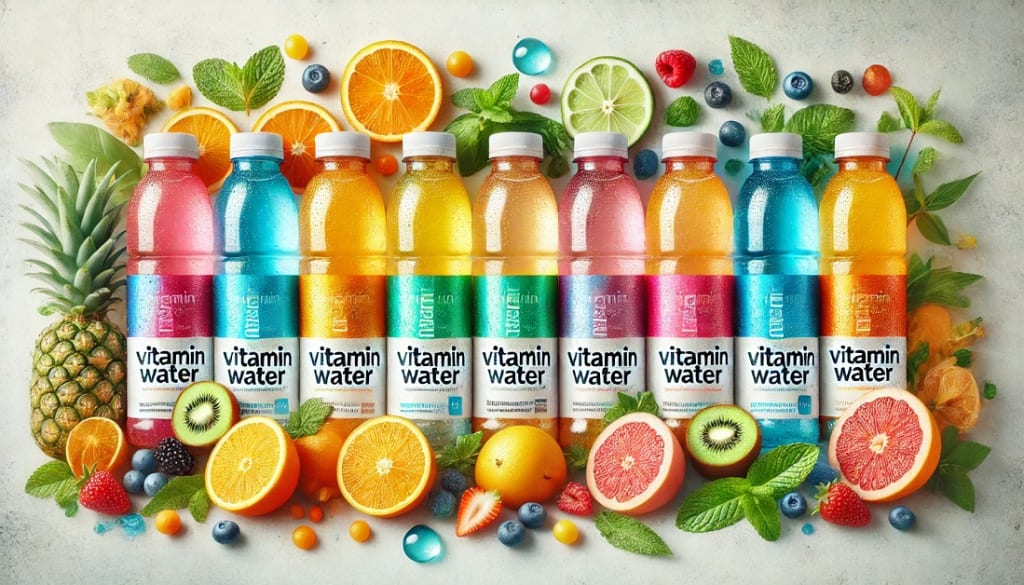
Advantages and Disadvantages of Vitamin Water
Vitamin Water is a popular beverage that combines water with added vitamins, minerals, and other nutrients. Marketed as a healthier alternative to sodas and sugary drinks, it has gained widespread appeal among health-conscious consumers looking to stay hydrated while also benefiting from nutritional supplements. However, like any product, it has both advantages and disadvantages. Let’s explore these in detail.
Advantages of Vitamin Water
1. Hydration with Added Nutrients
The primary advantage of Vitamin Water is that it helps you stay hydrated, just like regular water, while also providing additional nutrients. Most Vitamin Water products contain essential vitamins like vitamin C, B-vitamins, and electrolytes, which can support various body functions. For example:
- Vitamin C is known for its immune-boosting properties.
- B-vitamins (such as B6 and B12) play a role in energy metabolism and overall cell function.
- Electrolytes like potassium and magnesium can help balance fluids in the body, making Vitamin Water particularly beneficial after exercise.
Thus, Vitamin Water serves as both a hydrating and nutrient-boosting drink, which could be especially helpful for people with busy lifestyles who struggle to meet their daily vitamin needs from food alone.
2. Low in Calories Compared to Sugary Soft Drinks
One of the biggest appeals of Vitamin Water is that it often contains fewer calories than regular sugary soft drinks. Many soft drinks contain high amounts of added sugar (around 150-200 calories per serving), which can contribute to weight gain and other health issues if consumed regularly.
Most Vitamin Water products are marketed as low-calorie alternatives, containing anywhere from 30-50 calories per serving. This is a relatively small amount compared to traditional sodas, making it an attractive option for people who are trying to cut down on their calorie intake while still enjoying a flavored drink.
3. Variety of Flavors and Nutritional Options
Vitamin Water is available in a wide variety of flavors, catering to different taste preferences. For those who don’t like the taste of plain water, flavored Vitamin Water can be a more enjoyable and refreshing option. Additionally, some brands offer formulas tailored to specific health needs, such as:
- Energy Boost (with added caffeine or other energy-boosting ingredients)
- Immunity Support (with higher levels of vitamin C or zinc)
- Relaxation (with calming ingredients like magnesium)
This variety allows consumers to choose the product that best suits their personal health and lifestyle preferences.
4. Convenient and Portable
Vitamin Water is typically sold in single-serve bottles that are easy to carry around. This makes it a convenient option for people who are always on the go, such as busy professionals, students, and athletes. With the added benefit of nutrients, it can serve as a quick and easy way to hydrate and supplement your diet.
Disadvantages of Vitamin Water
1. Added Sugar Content
One of the biggest criticisms of Vitamin Water is its sugar content. Although Vitamin Water is marketed as a healthy alternative to soda, some varieties contain significant amounts of added sugar. While it is less sugary than traditional sodas, some versions can still contain up to 30 grams of sugar per bottle. Consuming too much sugar can have various negative effects on health, including:
- Weight gain
- Increased risk of developing type 2 diabetes
- Potential to cause tooth decay
- Blood sugar spikes and crashes
While some Vitamin Water products have reduced-sugar or sugar-free versions, it's important to read labels carefully to avoid excessive sugar intake, particularly if you are trying to limit your sugar consumption.
2. Excessive Vitamins and Overconsumption Risk
Although Vitamin Water is marketed as a supplement to a healthy diet, it’s possible to consume too many vitamins by drinking multiple bottles throughout the day. This is especially true for water-soluble vitamins like vitamin C and B-vitamins, which can be harmful when consumed in excess. Some potential risks of vitamin overconsumption include:
- Vitamin toxicity: While rare, excessive intake of certain vitamins, particularly in supplement form, can cause nausea, kidney stones, and other health issues.
- Imbalance in nutrition: Relying on Vitamin Water for added nutrients might result in an imbalanced diet, where you might not be getting a sufficient range of vitamins and minerals from whole foods.
For most people, it's best to get vitamins and minerals from a diverse and balanced diet rather than relying on supplements, even in the form of fortified beverages.
3. Artificial Additives and Colorings
Many Vitamin Water products contain artificial sweeteners, flavorings, and colorings to enhance taste and appearance. Ingredients such as sucralose, aspartame, and artificial food dyes are commonly used in these drinks. While these additives are generally considered safe by regulatory bodies, there is ongoing debate about their long-term effects on health. Some people prefer to avoid artificial ingredients due to concerns over potential links to health issues like headaches, digestive problems, and allergic reactions.
Additionally, while these ingredients may not pose an immediate risk, there are also concerns about the environmental impact of artificial additives and the long-term consequences of consuming highly processed foods and drinks.
4. Cost Compared to Regular Water
Vitamin Water tends to be more expensive than regular bottled water. While a bottle of plain water can often be purchased for as little as $1, a bottle of Vitamin Water may cost $2-$3, depending on the brand and location. This price premium may add up quickly if you consume Vitamin Water regularly.
For those on a budget, the cost of buying fortified water might not seem justifiable when the added vitamins can also be obtained through a well-balanced diet or from more affordable vitamin supplements.
Conclusion
Vitamin Water offers both benefits and drawbacks. On the positive side, it provides hydration along with essential nutrients like vitamins and electrolytes, making it a more attractive choice than sugary sodas. It's low in calories and comes in a variety of flavors, offering convenience and taste to those who need a quick and easy way to stay hydrated.
However, there are potential downsides. Vitamin Water often contains added sugars, and overconsumption can lead to vitamin toxicity or imbalances in your diet. Additionally, artificial additives and the relatively high cost of Vitamin Water may not align with everyone’s preferences or lifestyle.
Ultimately, Vitamin Water can be a useful tool for supplementation in moderation, but it should not replace whole foods or be relied upon as your primary source of hydration. Like all dietary choices, balance is key to reaping the benefits while avoiding the potential drawbacks.
About the Creator
Keep reading
More stories from jawwad j.j and writers in Lifehack and other communities.
Cereal Milk Strain: A Sweet Treat for Cannabis Enthusiasts
The world of cannabis is evolving rapidly, with new and exotic strains appearing on the scene to the delight of enthusiasts everywhere. Among the popular and unique strains, the Cereal Milk strain stands out for its sweet aroma, balanced effects, and memorable name. Known for its resemblance to the flavor of milk left in the bowl after a sugary cereal, Cereal Milk has earned a reputation for its smooth taste and versatile experience, making it a beloved choice among recreational and medicinal users alike.
By jawwad j.jabout a year ago in Lifehack
When Does Relaxin Hormone Start in Pregnancy?
During pregnancy, several reproductive hormone levels peak. One of such hormones is Relaxin – produced by the placenta and ovaries. Its function is to relax and loosen the joints, muscles, and ligaments allowing your body to stretch more flexibly during conception. It prepares you for childbirth by loosening the pelvic ligaments and muscles, making labor easier.
By Alice Perry5 days ago in Lifehack
Top 10 Best Peptide Vendors in USA (Ranked & Reviewed)
Are you searching for the best peptide vendors in 2026 for research purposes or even for personal wellness goals like fat loss or hormone support? With the rise in popularity of peptides such as Semaglutide, Tirzepatide, BPC-157, and TB-500, the market has exploded—unfortunately, so have the number of shady or unverified suppliers. Finding a legit, trustworthy peptide vendor with high purity, third-party COAs, and affordable pricing can feel overwhelming.
By Hazel Jackson7 days ago in Lifehack




Comments (1)
Good