
Acne Treatment: Common Causes and Effective Solutions
Effective Solutions for Acne: Topical Treatments, Medications, and Lifestyle Changes

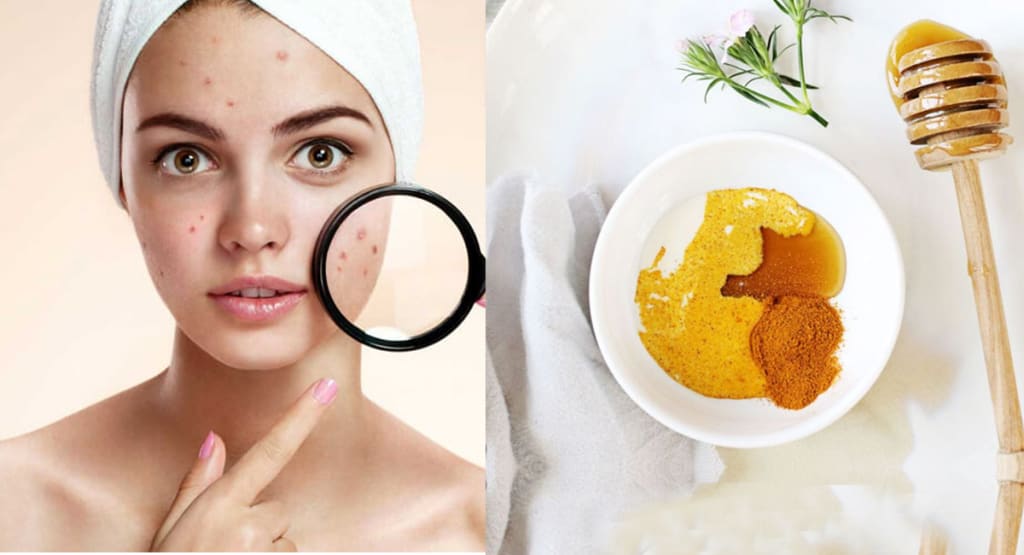
Acne is a common skin condition that affects people of all ages and genders. It occurs when hair follicles become clogged with oil and dead skin cells, resulting in whiteheads, blackheads, and pimples. Acne can be frustrating and difficult to manage, but there are several effective solutions available. In this article, we'll explore the common causes of acne and the most effective treatments for this condition.
Acne is a common skin condition that occurs when hair follicles become clogged with oil and dead skin cells. While anyone can develop acne, there are several factors that can increase the likelihood of developing this condition. One of the main causes of acne is hormonal changes. During puberty, the body produces an increased amount of androgen hormones, which can lead to an increase in oil production. This excess oil can clog pores, leading to the formation of whiteheads, blackheads, and pimples. Hormonal changes during pregnancy and menstruation can also cause an increase in oil production, leading to the development of acne.
Genetics also play a role in the development of acne. If your parents or siblings have a history of acne, you may be more likely to develop it as well. This is because genetics can influence the size and activity of the sebaceous glands, which produce oil in the skin. Poor skincare habits can also contribute to the development of acne. Failure to cleanse the skin properly, excessive use of makeup or skincare products, and not removing makeup before bed can all lead to clogged pores and the development of acne.
Diet is another factor that can contribute to the development of acne. Consuming a diet high in sugar and processed foods can cause inflammation in the body, which can contribute to acne. On the other hand, consuming a diet rich in fruits, vegetables, and whole grains can help to promote healthy skin.
Stress can also contribute to the development of acne. When we are stressed, the body produces an increased amount of cortisol, a hormone that can lead to an increase in oil production and inflammation in the skin.
In terms of solutions, there are several effective ways to manage and prevent acne. These include using topical treatments like benzoyl peroxide and salicylic acid, prescription medications like antibiotics and topical retinoids, and lifestyle changes like eating a healthy diet, practicing good skincare habits, and reducing stress.
Common Causes of Acne:
- Hormonal changes: Hormonal changes during puberty, menstruation, and pregnancy can cause an increase in oil production and lead to the development of acne.
- Genetics: Acne can be hereditary, meaning that if your parents had acne, you may be more likely to develop it.
- Poor skincare habits: Failure to properly cleanse the skin, excessive use of makeup or skincare products, and not removing makeup before bed can all contribute to the development of acne.
- Diet: Consuming a diet high in sugar and processed foods can cause inflammation in the body and contribute to acne.
- Stress: Stress can lead to an increase in oil production, resulting in acne.
- Poor hygiene: Not washing your face regularly or wearing dirty clothing or hats can contribute to acne.
- Medications: Some medications, such as corticosteroids, can cause acne as a side effect.
- Environmental factors Exposure to pollutants and humid environments can increase the likelihood of developing acne.
Effective Solutions for Acne:
- Topical treatments: Over-the-counter topical treatments containing benzoyl peroxide, salicylic acid, or retinoids can help to unclog pores and reduce inflammation.
- Prescription medications: Prescription medications like antibiotics, birth control pills, and topical retinoids can be effective in treating moderate to severe acne.
- Chemical peels: Chemical peels can help to exfoliate the skin and unclog pores, reducing the appearance of acne.
- Light therapy: Blue light therapy can help to kill acne-causing bacteria, while red light therapy can help to reduce inflammation.
- Lifestyle changes: Eating a healthy diet, practicing good skincare habits, and reducing stress can all help to prevent and manage acne.
- Home remedies: Natural remedies like tea tree oil, aloe vera, and apple cider vinegar can help to reduce inflammation and prevent acne.
- Moisturize: Using a non-comedogenic moisturizer can help to keep skin hydrated and prevent excessive oil production.
- Use a gentle cleanser: Harsh cleansers can strip the skin of its natural oils, leading to overproduction of oil and worsening of acne. Opt for a gentle cleanser instead.
- Don't pick at your skin: Picking at acne can worsen inflammation and increase the likelihood of scarring.
- Use ice: Applying ice to inflamed acne can help to reduce swelling and redness.
- Get enough sleep: Lack of sleep can lead to stress and hormonal imbalances, both of which can contribute to acne.
- Avoid wearing tight clothing: Tight clothing can trap sweat and oil against the skin, leading to acne.
- Try oral supplements: Certain supplements, such as zinc and omega-3 fatty acids, may help to reduce inflammation and improve skin health.
It's important to remember that everyone's skin is different, and what works for one person may not work for another. If you are struggling with acne, it's a good idea to consult with a dermatologist to determine the best treatment plan for your individual needs.
About the Creator
Keep reading
More stories from Sanket Sharad Suryawanshi and writers in Lifehack and other communities.
20 Best Foods for Healthy and Glowing Skin: Nourish Your Skin from the Inside Out
Maintaining healthy and glowing skin is not only about applying the right skincare products, but it also has a lot to do with what you eat. Our skin is the largest organ in the body and it requires a balanced and nutrient-rich diet to stay healthy and radiant. In this article, we will discuss the 10 best foods for healthy and glowing skin.
By Sanket Sharad Suryawanshi3 years ago in Lifehack
How to Keep a Garage Warm in the Winter and Protect Valuable Tools
Cold garages create real damage. Tools break down faster, and finishes don't last. Winter doesn't have to put your garage out of action, but it definitely will if you let heat slip away and ignore moisture.
By Ryan Simonson4 days ago in Lifehack
Yoga Brisbane and the Rise of Consistent Practice in a High-Pressure City
Brisbane has changed significantly over the past decade. Once seen as a slower-paced alternative to Australia’s larger capitals, the city now carries many of the same pressures found elsewhere: demanding workloads, blurred boundaries between professional and personal time, constant connectivity, and a strong expectation to keep moving forward. In this environment, wellbeing has shifted from an abstract ideal to a practical concern. For many residents, Yoga Brisbane has become less about novelty or fitness trends and more about building consistency in a city that rarely slows down.
By Rochelle Martineza day ago in Lifehack
Ludacris and Nelly draw backlash over bookings at MAGA-coded music festival
Ludacris and Nelly headlining a mostly right-wing event is good for them. It’s also great for the genre of hip hop. The two rap veterans have showcased their talents on other stages. Why can’t they perform for mostly MAGA folks and grab that bag?
By Skyler Saunders6 days ago in Beat




Comments
There are no comments for this story
Be the first to respond and start the conversation.