
Acne Scars: What’s the Best Treatment?
Expert Tips on Managing and Treating Acne Scars


Acne scars can be a frustrating reminder of past breakouts, and many people seek effective ways to reduce or eliminate them. If you're struggling with these marks and wondering how to get rid of acne scars, this guide will help you understand the best treatment options available. We’ll discuss various methods to tackle acne scars and offer advice on choosing the right treatment for your skin.
Understanding Acne Scars
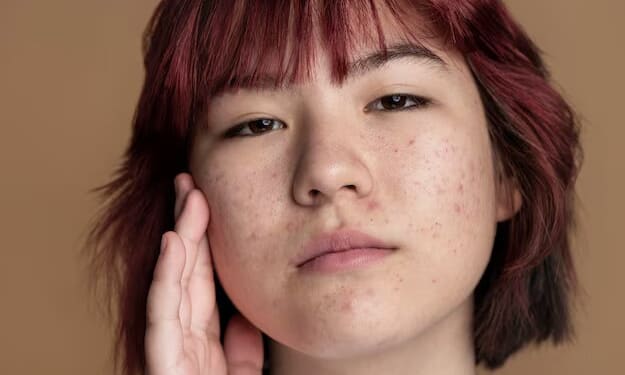
Before diving into treatments, it's essential to understand what acne scars are. Acne Skin are changes in the skin's texture caused by inflammation from acne. They can appear as either depressed (atrophic) or raised (hypertrophic) marks. Depressed scars are often the result of a loss of collagen, while raised scars occur when the skin produces too much collagen.
1. Topical Treatments
One of the simplest and most accessible ways to treat acne scars is through topical treatments. These are applied directly to the skin and can be effective in reducing the appearance of scars over time.
- Retinoids: These are derivatives of Vitamin A and can help stimulate collagen production, which may improve the appearance of acne scars. Products with retinoids are available both over-the-counter and by prescription.
- Vitamin C: This antioxidant helps brighten the skin and even out skin tone. Regular use of Vitamin C serums can help reduce the appearance of acne scars.
- Alpha Hydroxy Acids (AHAs): AHAs help exfoliate the skin's surface, which can improve texture and lighten acne scars. They are found in various cleansers, toners, and masks.
2. Chemical Peels
Chemical peels involve applying a solution to the skin that causes the top layer to peel off, revealing smoother skin underneath. This process can help reduce the appearance of acne scars and improve skin texture.
- Glycolic Acid Peels: These are mild chemical peels that can be used to treat surface scars and improve skin texture.
- TCA Peels: Trichloroacetic acid (TCA) peels are more potent and can penetrate deeper, making them effective for treating more severe acne scars.
3. Microneedling
Microneedling, also known as collagen induction therapy, involves using a device with fine needles to create tiny punctures in the skin. This process stimulates the body's natural healing process and encourages collagen production, which can help improve the appearance of acne scars.
4. Laser Treatments
Laser treatments can be effective for both atrophic and hypertrophic scars. Different types of lasers target different layers of the skin and can help reduce the visibility of acne scars.
- Fractional Laser: This type of laser creates thousands of tiny wounds in the skin, promoting the body's healing response and collagen production.
- Pulse Dye Laser: This laser targets blood vessels in the skin, which can help reduce redness and improve the appearance of raised scars.
5. Fillers
For depressed acne scars, dermal fillers can be a quick fix. These fillers, often made from hyaluronic acid or collagen, are injected into the scarred area to raise it to the level of the surrounding skin. This method provides immediate results, but the effects are temporary and require periodic touch-ups.
6. Surgical Options
In some cases, more invasive procedures may be necessary to treat severe acne scars.
- Subcision: This minor surgical procedure involves inserting a needle under the skin to break up scar tissue and encourage collagen production.
- Scar Revision Surgery: For deep scars, surgical revision may be an option. This involves removing the scarred skin and stitching the area back together, which can improve the appearance of acne scars.
7. Home Remedies
While less scientifically supported, some people find relief using natural remedies. These can be used in conjunction with other treatments but are generally not a substitute for professional care.
- Aloe Vera: Known for its soothing properties, aloe vera can help heal the skin and reduce scar visibility.
- Honey: Honey is a natural moisturizer and can help promote healing and reduce scar appearance.
Choosing the Right Treatment
When selecting an acne scar treatment, consider your skin type, the severity of your scars, and any potential side effects. Consulting with a dermatologist can help you choose the most suitable option based on your individual needs.
Conclusion
Dealing with acne scars can be challenging, but there are various effective treatments available. From topical treatments and chemical peels to advanced options like microneedling and laser therapy, you have many choices to help reduce the appearance of pimple scars. Remember, results may vary, and it’s crucial to consult with a skincare professional to find the best approach for your skin. With the right treatment and a bit of patience, you can achieve clearer, smoother skin.
If you’re wondering how to get rid of acne scars or exploring acne scar treatment options, start by discussing your concerns with a dermatologist who can guide you through the best treatments for your skin type and scar severity.
About the Creator
National Skin Cancer Centres
At our skin cancer clinic in Melbourne, Berwick Skin Cancer Centre, we provide a comprehensive approach to looking after your skin health.
Keep reading
More stories from National Skin Cancer Centres and writers in Lifehack and other communities.
Skin Cancer – Why Does Skin Cancer Happen? Causes, Symptoms, and Treatment
Skin cancer is one of the most common forms of cancer worldwide. It occurs when skin cells begin to grow uncontrollably due to damage from the sun's ultraviolet (UV) rays or other harmful factors. Understanding why skin cancer happens, recognizing skin cancer symptoms, and knowing how it's treated can help you detect and manage the disease early.
By National Skin Cancer Centresabout a year ago in Lifehack
How to Travel the Ella Odyssey Train Route in Sri Lanka
Taking a train ride in Sri Lanka is undoubtedly a unique experience, and there can hardly be a finer choice in this regard than riding the Ella Odyssey, a special luxury train service targeted mainly at tourists. You may well have seen images of the scenic sights that you can experience on this distinctive journey, which may be counted amongst the most picturesque in the world. Some useful information regarding enjoying this amazing ride is provided below.
By ameliarosanna2 days ago in Lifehack
“I Forgot How to Be Bored (And It Was Ruining My Focus)”
Let’s be real—my phone was low-key ruining my life. I’m gonna be 100% honest: it got pretty embarrassing. I reached a point where I couldn’t even wait for the coffee to brew without my hand "magically" grabbing my phone. It wasn’t even a choice anymore; it was just this mindless, zombie-like reflex. I’d spend an hour scrolling through absolute junk and then realize I didn't remember a single thing I saw. My focus? Completely trashed.
By Demiana Louis Boshra3 days ago in Lifehack


Comments
There are no comments for this story
Be the first to respond and start the conversation.