
A Journey Through India’s Jungle Book Landscapes: What to Expect
Jungle Book Tour
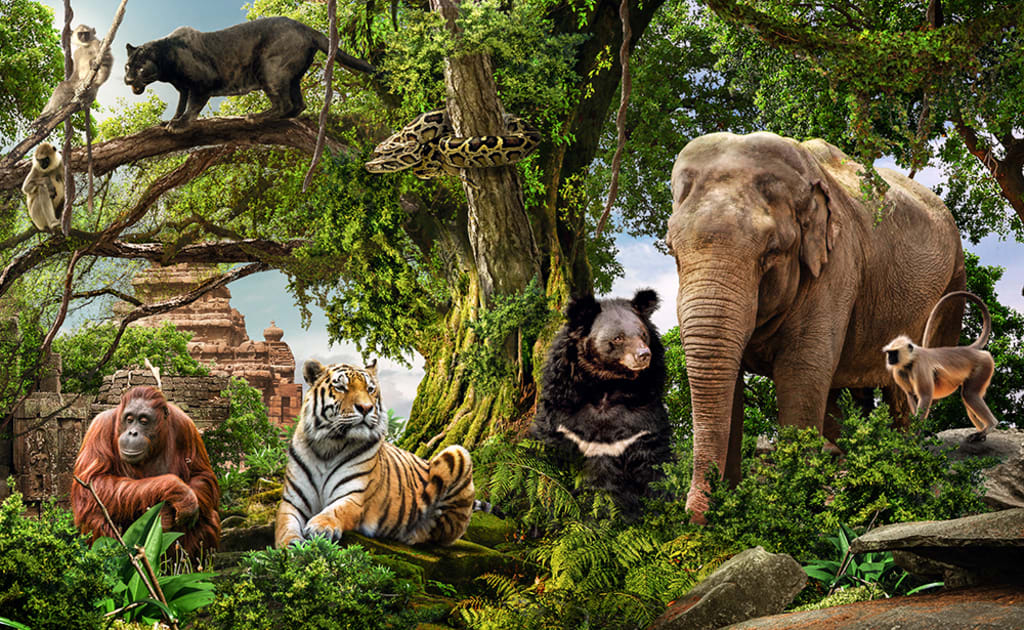
If you're an adventurer at heart or simply someone who finds joy in the wild beauty of nature, a "Jungle Book Tour" through India’s stunning landscapes should be on your bucket list. Inspired by Rudyard Kipling’s classic tales, this tour will transport you into the heart of India’s vibrant forests, where nature’s drama unfolds daily. Imagine stepping into the very scenes that sparked Kipling’s imagination—this blog will guide you on what to expect when embarking on this thrilling journey.
Introduction: The Magic of India’s Wilderness
India’s jungles are more than just dense forests; they are living, breathing entities that house some of the most extraordinary wildlife on the planet. From the majestic Bengal tiger to the elusive leopard and from the playful antics of monkeys to the vibrant calls of exotic birds, these jungles are teeming with life. A "Jungle Book Tour" isn't just about seeing wildlife; it’s about immersing yourself in an ecosystem that has remained largely untouched by time and jungle book tour.
Choosing Your Jungle: Iconic National Parks
India is home to several national parks and wildlife sanctuaries that inspired the settings of The Jungle Book. Some of the most iconic ones include:
Kanha National Park: Often considered the real-life inspiration for Kipling’s "Seonee Hills," Kanha is one of the largest and most beautiful wildlife reserves in India. Here, you can expect to encounter tigers, leopards, sloth bears, and the barasingha deer.
Pench National Park: Split between Madhya Pradesh and Maharashtra, Pench’s forests are rich in flora and fauna. This park is famed for its tiger population and is also home to wolves, gaur, and over 200 species of birds.
Bandhavgarh National Park: Known for having one of the highest densities of tigers in India, Bandhavgarh is where you can almost guarantee a tiger sighting. The park also boasts rich biodiversity, including deer, langurs, and various reptiles.
Each of these parks offers a unique experience, making it essential to choose the one that aligns with your expectations and interests.
The Best Time to Visit: Seasonal Splendors
Timing is everything when planning a "Jungle Book Tour". The best time to visit these parks is during the dry season, typically from October to June. During these months, the water sources dry up, drawing animals out into the open and making it easier to spot them.
Summer (March to June): Although temperatures can soar, this is prime time for wildlife sightings as animals congregate around waterholes.
Winter (October to February): The cooler temperatures make for comfortable safaris, and the lush greenery of the post-monsoon season creates picturesque landscapes. However, spotting wildlife can be more challenging due to the dense foliage.
Wildlife Safaris: The Thrill of the Chase
No "Jungle Book Tour" is complete without a wildlife safari. Safaris are typically conducted in open jeeps, accompanied by an experienced naturalist who helps track and spot animals. Here’s what to expect:
Jeep Safaris: These are the most common and offer the flexibility to cover larger areas of the park. Morning safaris are ideal for birdwatching and catching predators like tigers returning from their night hunts, while evening safaris give you a chance to see animals as they become more active with the setting sun.
Elephant Safaris: Some parks, like Kanha, offer elephant-back safaris, providing a unique vantage point to see the jungle. The slow, quiet pace of an elephant allows you to get closer to wildlife without disturbing them.
Walking Safaris: For those who prefer a more intimate connection with nature, some parks offer walking safaris. Accompanied by armed guides, these treks allow you to explore the jungle at your own pace, focusing on smaller animals, birds, and the fascinating plant life that makes up the ecosystem.
Lodging: Where to Stay in the Wilderness
Your jungle adventure extends beyond the safari itself; where you stay plays a crucial role in your overall experience. India offers a range of accommodations, from luxurious lodges to eco-friendly resorts, all designed to blend seamlessly with the natural surroundings.
Luxury Lodges: For those seeking comfort, luxury lodges offer opulent accommodations with all the modern amenities, often featuring private decks that overlook the jungle, spa services, and gourmet dining. Some of the top lodges even offer personalized safaris.
Eco-Resorts: These focus on sustainability and provide a more rustic experience. Built using local materials and methods, eco-resorts often operate on solar power and are dedicated to conserving the surrounding environment.
Forest Rest Houses: Managed by the government, these offer a more basic but authentic experience, placing you right in the heart of the forest. The charm of these rest houses lies in their simplicity and their proximity to nature.
Cultural Insights: Connecting with Local Communities
A "Jungle Book Tour" isn't just about the wilderness; it’s also an opportunity to connect with the local communities that live in harmony with these wild landscapes. Many of these communities have lived in or near these jungles for centuries, and their way of life offers valuable insights into sustainable living.
Tribal Visits: Some tours include visits to nearby tribal villages, where you can learn about traditional crafts, music, and dance. The Gond and Baiga tribes near Kanha National Park are particularly famous for their vibrant art and unique culture.
Conservation Efforts: Many lodges and tour operators work closely with local communities to promote conservation. Participating in these initiatives, such as tree planting or wildlife monitoring, adds a meaningful dimension to your trip.
For complete guidance contact orangedmc
Photography Tips: Capturing the Wild
A "Jungle Book Tour" is a dream for photography enthusiasts. Here are a few tips to help you capture the essence of the jungle:
Be Ready: Wildlife is unpredictable, and you need to be ready to shoot at a moment’s notice. Keep your camera on a high shutter speed and continuous shooting mode to capture fast-moving animals.
Focus on the Eyes: The eyes of animals can convey emotion and make your photos more compelling. When photographing big cats or primates, try to focus on their eyes to create a powerful image.
Use Natural Light: The golden hours of sunrise and sunset offer the best lighting for wildlife photography. Avoid using flash as it can startle animals and disrupt their natural behavior.
Conclusion: The Magic of a Jungle Book Tour
A "Jungle Book Tour" in India is more than just a wildlife safari; it’s a journey into the heart of nature, where every rustle in the leaves tells a story, and every sighting is a reminder of the beauty and fragility of life. Whether you’re a seasoned wildlife enthusiast or a first-time explorer, this tour promises an experience that will leave you with memories to last a lifetime.
So pack your bags, grab your camera, and get ready to step into the pages of The Jungle Book. Adventure awaits in the jungles of India, where Kipling’s timeless tales come to life and east to west india travel.
About the Creator
Keep reading
More stories from Salman Thavertech and writers in Lifehack and other communities.
Annapurna Base Camp: A Photographer’s Dream
Nestled in the heart of the Himalayas, Annapurna Base Camp (ABC) is a haven for photographers and nature enthusiasts alike. With its breathtaking landscapes, diverse flora and fauna, and the majestic Annapurna massif as a backdrop, it's no wonder that Annapurna Base Camp has become a photographer’s dream destination. Whether you're an amateur with a smartphone or a professional with a DSLR, ABC offers endless opportunities to capture the beauty of nature in its most pristine form.
By Salman Thavertechabout a year ago in Lifehack
Understanding Life in North Potomac, Maryland: Culture, Planning, and Everyday Transitions
North Potomac, Maryland, is often described as a quiet suburban community, but daily life here is shaped by more than calm streets and residential neighborhoods. The area has developed a culture rooted in organization, respect for shared spaces, and long-term planning. These values influence how residents interact, manage their homes, and handle major life changes such as relocating within or into the community.
By House Doctorabout 13 hours ago in Lifehack
Is It Better To Eat Protein Before Or After A Workout? How To Optimize Your Intake For Muscle Growth
If you've given WH's protein challenge a go, you know how important this macro is to your health and fitness goals and a strong training sesh. But does it matter when, exactly, you get some protein in around your workouts impact muscle growth?
By Dena Falken Esq6 days ago in Lifehack


Comments
There are no comments for this story
Be the first to respond and start the conversation.