
A Glimpse into the Future of Transportation
"Revolutionizing the Way We Move: The Promising Future of Electric and Autonomous Vehicles"

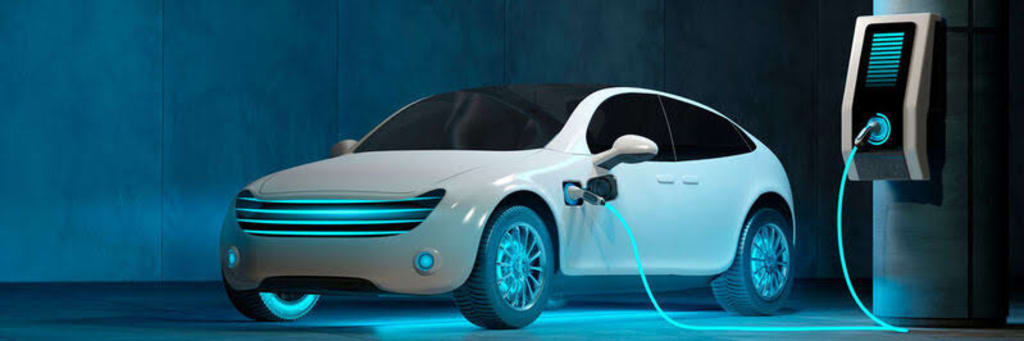
The future of transportation is undergoing significant changes due to the development and adoption of new technologies. Electric and autonomous vehicles are two such innovations that are transforming the way we move people and goods. In this article, we will explore the current state of these technologies, their potential benefits and challenges, and what we can expect to see in the future.
Electric Vehicles:
The Future of Clean Transportation Electric vehicles (EVs) are becoming increasingly popular as a clean and efficient mode of transportation. They are powered by electricity stored in batteries, eliminating the need for gasoline or diesel fuel. EVs have several benefits over traditional gas-powered vehicles, including:
Reduced emissions: EVs produce no tailpipe emissions, which can significantly reduce air pollution and greenhouse gas emissions.
Lower operating costs: Electric vehicles are cheaper to operate than gas-powered cars, with lower fuel and maintenance costs.
Improved energy efficiency: Electric vehicles are more energy-efficient than traditional cars, meaning they use less energy to travel the same distance.
Noise pollution reduction: EVs produce less noise pollution than gasoline-powered vehicles.
While there are several advantages to EVs, there are also some challenges that need to be addressed. One significant challenge is the lack of charging infrastructure, which can limit the range and availability of electric vehicles. However, this issue is being addressed through the installation of charging stations in public places, such as parking lots and shopping centers, as well as the development of fast-charging technology that can provide a full charge in just a few minutes.
Autonomous Vehicles:
The Future of Safe and Efficient Transportation Autonomous vehicles (AVs) are another technology that is rapidly evolving and has the potential to transform the transportation industry. AVs are vehicles that can operate without human intervention, using sensors, cameras, and other technologies to navigate roads and make decisions.
There are several benefits to autonomous vehicles, including:
Increased safety: AVs can reduce the number of accidents caused by human error, which is estimated to be responsible for 94% of crashes.
Improved traffic flow: AVs can communicate with each other to optimize traffic flow and reduce congestion.
Reduced energy consumption: AVs can operate more efficiently, reducing fuel consumption and emissions.
Increased accessibility: AVs can provide transportation for people who are unable to drive, such as the elderly and disabled.
Despite the potential benefits of AVs, there are also several challenges that need to be addressed. One significant challenge is the need for extensive testing and development to ensure the safety and reliability of these vehicles. Additionally, there are concerns around the ethical and legal implications of AVs, such as liability in the case of accidents.
The Future of Transportation:
Electric and Autonomous Vehicles Working Together While electric and autonomous vehicles offer many benefits on their own, their true potential may be realized when they are combined. An electric autonomous vehicle (EAV) can provide the benefits of both technologies, including reduced emissions, increased safety, and improved energy efficiency.
One example of this combination is the development of autonomous electric buses for public transportation. These buses can reduce emissions and improve traffic flow, while also providing an affordable and convenient transportation option for commuters.
In addition to autonomous electric buses, there are also developments in the autonomous delivery sector. Companies like Amazon and FedEx are testing autonomous delivery vehicles to reduce delivery times and increase efficiency. These vehicles can operate 24/7 and reduce the need for human drivers, lowering operating costs and increasing profits.
Conclusion
The future of transportation is rapidly evolving, with electric and autonomous vehicles leading the way. While these technologies offer many benefits, there are also significant challenges that need to be addressed, such as the need for charging infrastructure and the testing and development of autonomous vehicles. However, with continued innovation and investment, electric and autonomous vehicles have the potential
About the Creator
Karthick
Iam Karthick from Cheanni. Graduated in Mechanical Engineering from Jawahar Engineering College.Iam working in Munish Engineer as a Lead Project Coordinator
Digital Well-Being
We live in a time where the internet is not just a tool — it is an environment. From the moment we wake up to the moment we fall asleep, screens shape how we think, work, communicate, and relax. Technology connects us instantly, but constant connection can quietly drain our attention, energy, and peace of mind. Digital well-being is the practice of using technology in a way that supports — rather than harms — our mental, emotional, and physical health.
By shaoor afridi4 days ago in Lifehack
I Stopped Chasing Men—And This One Lifehack Made Them Come to Me Naturally
For the longest time, I thought attracting men was about looking perfect, saying the right things, and never making a mistake. I believed if I could just be more attractive, more interesting, or more “ideal,” the right person would notice me.
By Lukáš Hrdlička7 days ago in Lifehack


Comments
There are no comments for this story
Be the first to respond and start the conversation.