
A Complete Guide to Grease Traps in Commercial Kitchens
Grease Trap in Commercial Kitchen
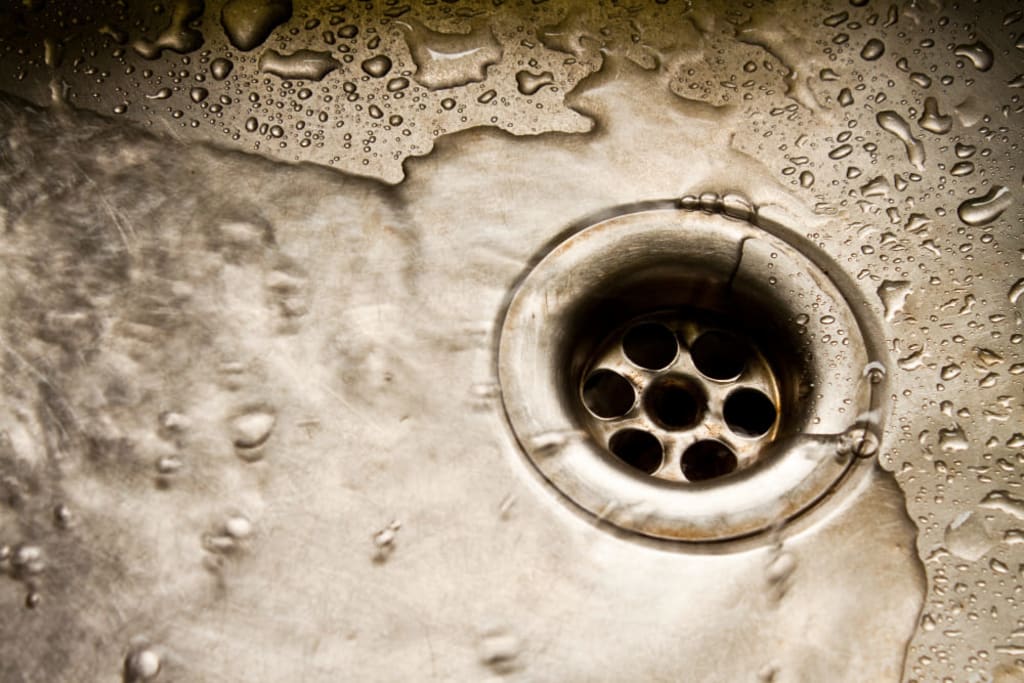
Grease traps play a vital role in commercial kitchens by preventing fats, oils, and grease (FOG) from clogging the drainage system. Without proper management, FOG can accumulate, causing severe blockages, foul odors, and costly plumbing repairs. This comprehensive guide provides an in-depth understanding of grease traps in commercial kitchens, their importance, and how to maintain them effectively.
What is a Grease Trap?
A grease trap, also known as a grease interceptor, is a plumbing device designed to capture and separate grease and solid waste from wastewater before it enters the sewer system. This device helps prevent clogs, environmental hazards, and potential fines for non-compliance with local regulations.
How Does a Grease Trap Work?
Grease traps operate by slowing down the flow of wastewater, allowing FOG to cool and solidify on the surface while solids settle at the bottom. The remaining wastewater flows out, leaving grease and solids trapped for later disposal. Proper functioning of a grease trap requires consistent maintenance to prevent overflow and ensure efficiency.
Types of Grease Traps
Passive Grease Traps: Often installed under sinks, these small units are suitable for low-volume kitchens. They work by separating grease from wastewater but require regular manual cleaning.
Automatic Grease Removal Units (AGRUs): These advanced systems automatically skim and remove accumulated grease, making them ideal for busy commercial kitchens. They offer efficient, hands-free maintenance.
Gravity Grease Interceptors: Large, outdoor units designed for high-volume operations, often installed underground. These units can handle substantial FOG quantities but require professional servicing for optimal performance.
Why Are Grease Traps Important?
Prevent Sewer Blockages and Overflows: Grease buildup can obstruct plumbing, causing backups and expensive repairs.
Ensure Regulatory Compliance: Many local authorities mandate grease traps for commercial kitchens to prevent environmental pollution.
Protect the Environment: Grease traps help prevent FOG from entering water systems, reducing pollution.
Maintain Kitchen Hygiene and Safety: A clean and well-maintained grease trap minimizes odors and potential hazards.
Grease Trap Maintenance: Best Practices
Regular maintenance is essential for optimal performance. Here’s a step-by-step guide to maintaining a grease trap:
Frequent Inspections: Inspect grease traps weekly to ensure they are functioning correctly.
Routine Cleaning: Remove grease and solids when the trap is 25% full to prevent clogging.
Professional Servicing: Schedule professional cleaning every 1 to 3 months, depending on usage.
Record Keeping: Maintain cleaning logs for regulatory compliance and troubleshooting.
Enzyme Additives: Consider using enzyme-based treatments to break down FOG between cleanings.
Choosing the Right Grease Trap for Your Kitchen
Selecting the right grease trap depends on factors such as kitchen size, FOG output, and local regulations. A professional assessment can help determine the appropriate type and size for your commercial kitchen. Proper sizing and installation are critical to ensuring the grease trap functions effectively.
Consequences of Poor Grease Trap Maintenance
Neglecting grease trap maintenance can lead to severe problems, including:
Clogged Drains and Sewage Backups: FOG buildup can cause expensive plumbing issues.
Fines and Penalties: Non-compliance with regulations may result in fines and legal consequences.
Unpleasant Odors and Health Hazards: Accumulated FOG can produce foul odors and attract pests.
Conclusion
Grease traps are crucial for maintaining a safe, efficient, and compliant commercial kitchen. Proper grease trap installation, regular maintenance, and adherence to local regulations ensure smooth operations and environmental protection. Investing in the right grease trap solution not only safeguards your business from costly issues but also promotes sustainability. Partnering with a professional for installation and servicing is the best way to ensure long-term success in managing grease in your kitchen.
About the Creator
Shahinshad c
Stay informative with my blog. Stay updated.
Keep reading
More stories from Shahinshad c and writers in Lifehack and other communities.
How to Increase Home Security
Ensuring the safety of your home is a top priority. With increasing crime rates and security threats, homeowners need to take proactive measures to safeguard their property and loved ones. A combination of modern technology, strategic planning, and good habits can significantly enhance home security. Here are some effective ways to improve the security of your home.
By Shahinshad c12 months ago in Lifehack
10 Simple Habits for Strong Teeth and Healthy Gums
Maintaining good oral health is essential not only for a bright smile but also for overall well-being. Your mouth is the gateway to your body, and poor oral hygiene can lead to various health problems such as gum disease, tooth decay, and even infections that may affect other parts of the body. Fortunately, taking care of your teeth and gums does not require complicated routines. With a few simple daily habits, you can keep your mouth healthy for years.
By Nenci Gajera 2 days ago in Lifehack
The Basics of Successful Property Renovation Projects.
Property renovation is a cornerstone of real estate development, especially in markets with distressed or foreclosed homes. In cities across the country—from rapidly growing metros to legacy industrial hubs—renovation plays a vital role in revitalizing housing stock and meeting buyer demand. Successful renovation projects require careful planning, disciplined execution, and proactive management to maximize value and ensure the property meets modern buyer expectations. When approached strategically, renovation transforms underutilized properties into desirable homes while strengthening communities and generating strong financial returns.
By JB Hoover, Newport Beach4 days ago in Lifehack
"Scream 7" (2026): Running out of Fresh Screams
This is the seventh time we’ve had a Ghostface crisis. Scream 7 is the latest edition of the Scream franchise. Sydney Prescott and her family are under attack by another anonymous killer dressed in a Ghostface costume. While having issues with her daughter, Tatum, they run from the bloody murders, trying to determine who is behind it all.
By Marielle Sabbag6 days ago in Horror




Comments
There are no comments for this story
Be the first to respond and start the conversation.