
9 Rookie Mistakes Floridians Make When Moving to Idaho (and How to Avoid Them)
From Sand to Snow
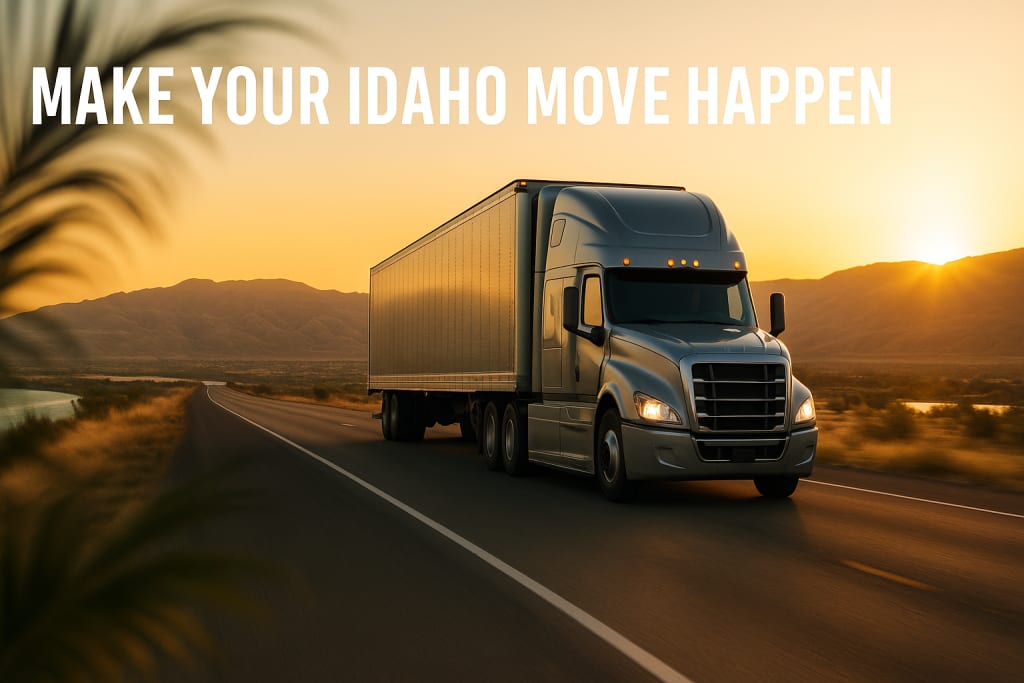
You’ve swapped flip-flops for snow boots and set your GPS for the Gem State. But halfway between Tallahassee and Twin Falls, a light on the dashboard blinks, the kids ask what a “snow brush” is, and your succulents are gasping for humidity. Moving long-distance is always a leap—moving from Florida to Idaho adds four real seasons, different tax rules, and new driving realities. As a relocation consultant who’s helped hundreds of Sunshine State families land in Boise, Meridian, Idaho Falls, and Coeur d’Alene, here are the nine rookie mistakes I see most—and the field-tested fixes that keep your first month calm.
Real-world snapshot: The Alvarez family left Jacksonville in early March. By Salt Lake City, they hit an unexpected cold snap. Their all-season tires skated on slush, and their hand lotion froze in the cargo, cracking a guitar finish. A pre-trip “winter readiness” check would have avoided a costly detour and repair.
1) Underestimating Dry Cold and Elevation
The mistake: Treating Idaho’s winter like a chilly Florida day. Dry air + elevation means faster dehydration and cracked wood/leather.
Fix it: Pack a winter starter kit (humidifier, hydrating lotion, lip balm), and add silica gel packs for instruments and electronics. Allow 24 hours of indoor acclimation before powering on devices or tuning guitars.
2) Bringing Florida Tires to a Mountain Climate
The mistake: Assuming all-season tires are fine year-round.
Fix it: If arriving between October and April, install winter-rated tires or carry chains (check local rules). Keep a folding shovel, traction boards, and -20°F washer fluid in the trunk. Practice gentle inputs and longer braking distances—especially if you’re towing.
3) Misjudging the Move Budget
The mistake: Only pricing the truck. You’ll face hotel nights, fuel variability along I‑10/I‑40/I‑84, new registration/plates, utility connects, and a 10% buffer for weather delays.
Fix it: Build a line-item budget. Compare full-service, hybrid (you pack, pros haul), and DIY options for your home size. If the DIY route “saves” $1,000 but costs 30 hours of PTO, a hybrid plan may net out cheaper.
4) Packing Like It’s Humid Florida
The mistake: Using plastic against leather/wood and minimal cushioning for art.
Fix it: Use breathable wraps for leather and unfinished wood. Crate high-value art/instruments. For kitchen glass, pack plates vertically with sleeves and corner guards. Keep a clearly labeled “first-night box” for each family member to avoid hotel parking-lot unpacking.
5) Forgetting the Paperwork Clock
The mistake: Waiting to handle licenses, registration, and school transfers.
Fix it: Put these on your first‑week checklist: transfer driver’s license, register vehicles, update voter registration, and request transcripts/medical records before you leave Florida. Pre‑fill forms to cut DMV time.
6) Ignoring Rental Market Rhythms
The mistake: Arriving in peak season without documents or a plan. Desirable Boise-area rentals (North End, Harris Ranch, parts of Meridian/Eagle) may draw multiple applications.
Fix it: Travel with a digital packet: income proof, references, pet records, and funds for the deposit. Consider a short-term furnished rental to shop neighborhoods without pressure.
7) Overlooking Pet Logistics
The mistake: Last-minute vet appointments and incompatible carriers.
Fix it: Update vaccinations 30 days before departure; verify microchips. Test carriers in advance and book pet-friendly hotels along I‑10/I‑40. If timing’s tight, use a USDA‑licensed transport partner for stress-free handoffs.
8) Treating Winter Gear as Optional
The mistake: Planning to buy everything “after we arrive.”
Fix it: Pack essentials now: insulated gloves, beanie, mid‑layers, waterproof boots, scraper/brush, headlamp. For kids, add snow pants and base layers. You’ll unload faster and safer when the driveway is icy.
9) Skipping a Weather Flex Plan
The mistake: Hard‑fixed delivery window during storm season.
Fix it: Build a weather flex with your mover: a 48‑ to 72‑hour delivery window and, if needed, a bridge in temperature‑controlled storage. Photograph cargo at each stop; document any storm‑related reroutes for insurance.
The 30‑Minute “First Week” Playbook
- Bedrooms first: beds, linens, blackout curtains
- Kitchen next: kettle, mugs, basic cookware, snacks, hydration
- Wi‑Fi & thermostats: comfort > everything
- Winter kit by the door: scraper, gloves, mats
- Local essentials: grocery run (stock humidifier filters, lip balm, hand cream)
Pro Packing Shortcuts
- Color‑code rooms and list “unpack order” on two sides of every box
- Use wardrobe boxes for coat closets; toss in boots/liners to save space
- Bag mattresses and zip encase for dust/salt protection
A Note on Costs
For many families, insurance (home/auto) shifts favorably after leaving hurricane zones, offsetting Idaho’s state income tax. Request updated quotes before you move and bundle policies upon arrival.
Closing Thoughts
Take the guesswork out of timelines, routes, winter-ready checklists, and budget math with our complete Florida-to-Idaho moving guide. It’s packed with step‑by‑step planning, packing frameworks, and on‑the‑ground Idaho intel so you arrive calm, confident, and move‑in ready.
Moving from beaches to mountains is a big identity shift—and that’s the fun of it. With a winter‑smart kit, a realistic budget, and a flexible delivery plan, your first Idaho sunrise won’t be a shock; it’ll be a celebration. See you on the greenbelt—with gloves on and stress off.
About the Creator
Keep reading
More stories from aaajr design and writers in Lifehack and other communities.
DIY Polishing Guide: Bring Dull Stainless Wheel Covers Back to Show-Truck Glory
This guide turns a weekend warrior with a cordless drill into a stainless-steel polishing pro. Includes tool list, grit progression chart, compound recommendations, and pro tips to avoid “rainbow burn.”
By aaajr design7 months ago in Lifehack
How Sherman Lai Integrates Natural Therapies for Whole-Body Wellness
Many people have begun searching for natural methods to enhance their general health and well-being in recent years. Holistic healthcare concentrates on balancing the overall body rather than just treating symptoms. Because they promote long-term wellbeing, natural treatments including acupuncture, herbal medicine, and lifestyle counseling are growing in popularity. Sherman Lai, a practitioner renowned for this well-rounded approach, combines many natural healing techniques to assist people in achieving whole-body wellbeing.
By Sherman Lai Guelph6 days ago in Lifehack
Healthy Lifestyle Habits for Sustainable Weight Management
Living a healthy lifestyle has become a challenge for many people today. Modern routines often include long hours of sitting, irregular eating habits, fast food consumption, and limited physical activity. These habits can slowly affect the body and make it difficult to maintain a healthy weight.
By Backlinks Cart6 days ago in Lifehack



Comments
There are no comments for this story
Be the first to respond and start the conversation.