
8 Common Causes of Foundation Damage
Understanding the Hidden Factors Behind Foundation Damage and How to Prevent Costly Repairs
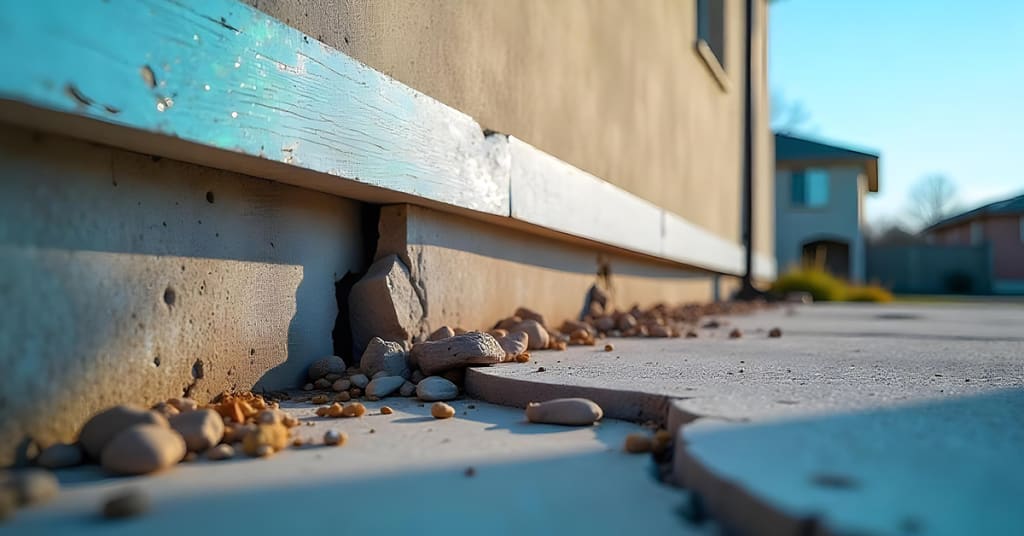
A strong foundation is essential for any building’s stability, but various factors can lead to deterioration over time. Ignoring foundation issues can result in costly repairs and even structural failure. Understanding the primary causes of foundation problems can help homeowners and property managers take preventive action.
Below are 8 common reasons foundations sustain damage and how to mitigate these risks.
1. Poor Soil Conditions
The type of soil beneath a building plays a significant role in the foundation's stability. Some soils expand and contract with changes in moisture levels, leading to movement that weakens the foundation.
How Soil Affects the Foundation
Expansive Clay Soil: This type of soil swells when wet and shrinks when dry, creating pressure that can lead to cracks and shifts.
Loose or Poorly Compacted Soil: If the soil wasn’t properly compacted before construction, it may settle unevenly, causing foundation sinking or tilting.
Soil Erosion: Heavy rains and improper drainage can wash away soil, reducing support for the foundation.
Prevention Tips
Conduct a soil test before building to determine if special reinforcement is needed.
Use proper grading and drainage techniques to prevent soil erosion.
Keep the soil around the foundation consistently moist to avoid extreme expansion and contraction.
2. Water-Related Issues
Foundation water damage is one of the most common causes of structural issues. Too much or too little moisture can weaken the soil, leading to shifting and cracking.
How Water Causes Damage
Poor Drainage: If water collects near the foundation due to clogged gutters, short downspouts, or improper grading, it can seep into the foundation and cause cracks.
Plumbing Leaks: Hidden leaks under or near the foundation can weaken the surrounding soil, leading to foundation instability.
Drought Conditions: When soil dries out, it contracts, creating gaps that allow the foundation to shift or settle unevenly.
Prevention Tips
Keep gutters and downspouts clear, directing water at least five feet away from the foundation.
Repair plumbing leaks promptly to prevent excess moisture around the foundation.
Install a foundation watering system in areas prone to drought to maintain consistent soil moisture levels.
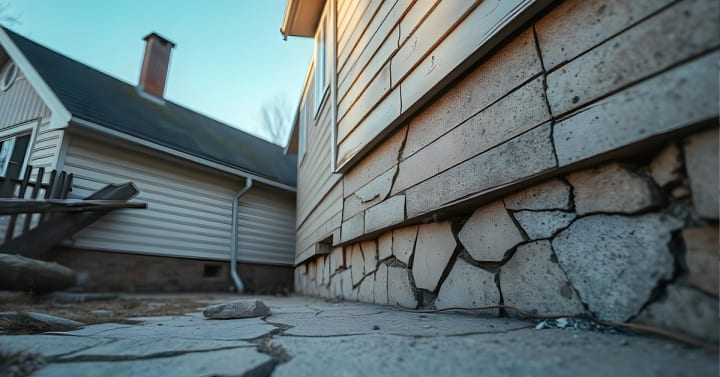
3. Tree Roots and Vegetation
While trees and shrubs add beauty to a property, their roots can pose a threat to foundations. Tree roots naturally seek out water sources, which can lead to soil shifts and structural damage.
How Tree Roots Impact Foundations
Soil Displacement: As roots grow, they push soil away, which can lead to foundation settling.
Uneven Moisture Levels: Roots absorb large amounts of water, causing the soil to shrink and creating instability.
Cracks and Intrusions: Some tree roots grow into foundation cracks, worsening existing damage.
Prevention Tips
Plant trees at least 20 feet away from the foundation to prevent root interference.
Choose slow-growing trees with non-invasive root systems.
Install root barriers to prevent aggressive root growth near the foundation.
4. Extreme Weather Conditions
Weather fluctuations can have a direct impact on the foundation. Whether it's heavy rainfall, extreme heat, or freezing temperatures, these conditions can cause significant stress on the structure.
How Weather Affects Foundations
Heavy Rainfall and Flooding: Excess water saturates the soil, causing it to expand and push against the foundation. When the water dries up, the soil contracts, leading to movement.
Cold Temperatures and Frost Heave: In freezing climates, water in the soil can freeze and expand, putting pressure on the foundation and leading to cracks.
Excessive Heat and Drought: Prolonged dry periods can cause soil shrinkage, creating gaps that lead to foundation settling.
Prevention Tips
Maintain a drainage system to direct water away from the foundation.
Insulate foundations in colder regions to reduce frost damage.
Monitor moisture levels in the soil and water around the foundation during droughts.
5. Poor Construction Practices
If a foundation isn’t built correctly, it’s more likely to experience issues over time. Construction flaws can make the structure vulnerable to shifting, cracking, and sinking.
Common Construction Mistakes
Insufficient Reinforcement: Foundations without proper steel reinforcement may struggle to withstand pressure from soil movement.
Shallow Footings: A foundation that isn’t deep enough may not provide adequate support, especially in areas with loose or shifting soil.
Low-Quality Materials: Using substandard concrete or improper mixtures can lead to weak foundations that deteriorate faster.
Prevention Tips
Hire experienced professionals to ensure the foundation is built according to industry standards.
Conduct soil testing before construction to determine the appropriate foundation depth and materials.
Inspect new foundations for signs of cracks, poor drainage, or uneven settling.
6. Earthquakes and Ground Movement
Seismic activity, even minor tremors, can weaken a foundation over time. The shifting and settling caused by ground movement can lead to cracks and structural instability.
How Ground Movement Affects Foundations
Soil Displacement: Earthquakes can cause the soil beneath a foundation to shift, leading to uneven settling.
Foundation Cracks: Even small tremors can create stress fractures that grow over time.
Liquefaction: In certain soil conditions, seismic activity can cause the ground to behave like a liquid, weakening support for the foundation.
Prevention Tips
If you live in an earthquake-prone area, retrofit your foundation with seismic reinforcements.
Ensure your foundation is built with flexible materials that can withstand movement.
Conduct regular inspections to identify cracks or shifting caused by seismic activity.
7. Heavy Construction Nearby
Major construction projects near a property can affect soil stability and foundation integrity. Excavation, pile driving, and large-scale demolition can all cause vibrations that impact nearby structures.
How Nearby Construction Affects Foundations
Soil Disturbance: Digging or excavation can shift the soil, leading to foundation settlement.
Vibrations from Machinery: Heavy equipment can cause micro-movements in the ground, leading to foundation cracks.
Changes in Water Flow: Construction may alter drainage patterns, increasing the risk of foundation water damage.
Prevention Tips
Monitor your foundation for new cracks or shifts if construction begins nearby.
Work with engineers to assess potential risks and reinforce your foundation if needed.
Ensure proper drainage is maintained around your property to prevent water-related issues.
8. Poor Foundation Maintenance
One of the primary causes of foundation problems, neglecting foundation upkeep can allow minor issues to become major problems over time. Regular inspections and preventive maintenance are crucial for long-term foundation health.
How Lack of Maintenance Causes Damage
Unsealed Cracks: Small cracks can widen, allowing water infiltration and structural weakening.
Ignored Drainage Issues: Poor water management can erode the soil and lead to foundation instability.
Lack of Soil Moisture Control: Allowing the soil to become too dry or too wet can cause shifting.
Prevention Tips
Inspect your foundation annually for cracks, moisture buildup, or uneven settling.
Seal minor cracks promptly to prevent water intrusion.
Maintain a consistent moisture level around the foundation to avoid soil movement.
When to Seek Professional Help
If you notice warning signs such as cracks in walls, uneven floors, sticking doors, or water pooling near the foundation, it’s essential to address the issue immediately. In some cases, professional intervention is necessary to prevent further damage. Property owners dealing with severe structural issues may need commercial foundation repair services to stabilize the building.
Final Thoughts
Understanding the causes of foundation problems can help homeowners and property managers take proactive steps to protect their structures. Whether the issue stems from poor soil conditions, water damage, tree roots, extreme weather, or construction defects, regular maintenance and early intervention are key to preventing costly repairs.
By staying vigilant and addressing potential problems early, you can extend the lifespan of your foundation and maintain the stability of your home or building.
About the Creator
Luis Quintero
Luis Quintero is a specialist writer in the field of home improvement and repair. Through his writing, Luis provides homeowners with valuable insights and practical advice to address and prevent structural issues.
Keep reading
More stories from writers in Lifehack and other communities.
Planning a Successful Move in Boise, Idaho: What to Look for in Professional Movers
Moving in Boise, Idaho, often feels straightforward at first glance. The city is known for its accessible neighborhoods, manageable traffic compared to larger metro areas, and steady growth. However, relocation still involves many decisions that can influence how smooth—or stressful—the experience becomes. One of the most important choices is selecting movers who are prepared, reliable, and familiar with local conditions.
By House Doctorabout 9 hours ago in Lifehack
Your heart and digestive system may be harmed simultaneously by breathing contaminated air.
It is well known that there are numerous health concerns associated with breathing contaminated air. More precise information is revealed by a new study, which demonstrates that air pollution may damage the human heart and intestines at the same time.
By Francis Dami5 days ago in Lifehack




Comments
There are no comments for this story
Be the first to respond and start the conversation.