
8 Advantages of Concrete as Construction Material
Advantages of Concrete

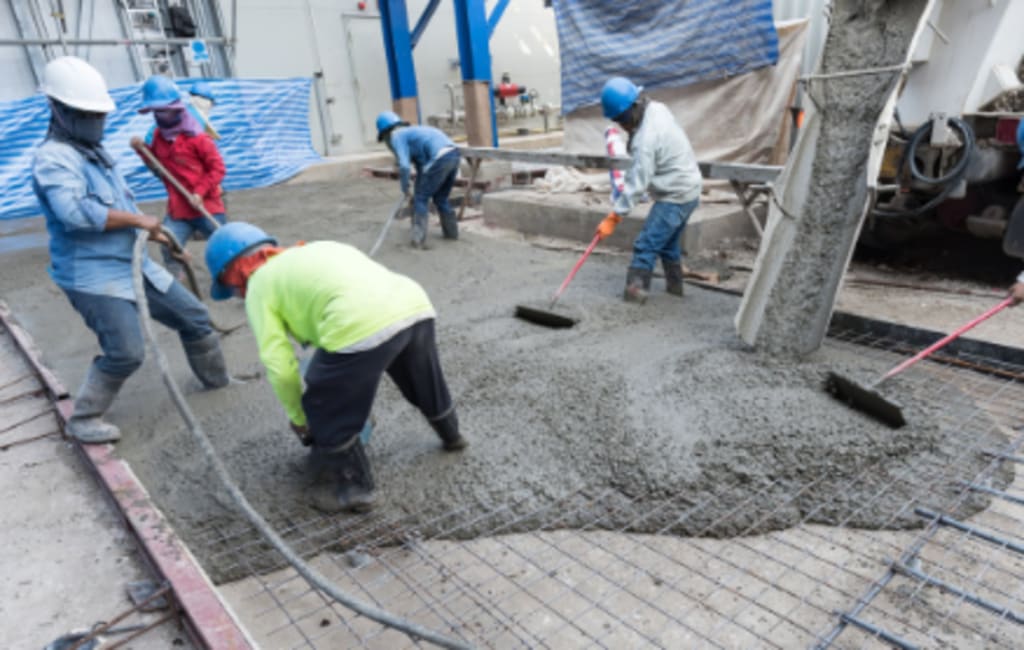
Advantages of concrete. Among all the construction materials used in the world, concrete is most widely used due to its unique advantages compared to other materials. 10 major advantages of concrete are explained below.
1. Concrete is Economical
Compared to engineered cementitious materials used for construction, the production cost of cement concrete is very low. Again, it is inexpensive and widely available around the globe when compared to steel, polymers and other construction materials. Major ingredients of concrete are cement, water and aggregates. All of these are readily available in local markets at low cost.
2. Concrete Hardens at Ambient Temperature
Concrete sets, hardens, gain its strength at regular room temperature or ambient temperature. This is because cement is a low-temperature bonded inorganic material. Thus concrete can be used irrespective of ambient weather conditions and optimized with admixtures if required.
3. Ability to be Cast into Shape
Fresh concrete is flowable and is in liquid state. Concrete can be hence poured into various formworks or shuttering configurations to form desired shapes and sizes at construction site. Concrete can be cast into complex shapes and configurations by adjusting the mix.
4. Excellent Water Resistance Characteristics
Though chemical in water can induce corrosion in concrete and reinforced concrete. Compared to wood and steel, concrete can withstand in water without serious deterioration. Due to this property, it is ideal to underwater and submerged applications like for building structures, pipelines, dams, canals, linings and waterfront structures Pure water is not deleterious to concrete and not even to reinforced concrete, chemicals dissolved in water such as sulfates, chlorides and carbon dioxide causes corrosion.
5. High-temperature resistance
Concrete can withstand high temperatures better than wood and steel. Calcium silicate hydrate, C-S-H, which is the main binder in concrete can withstand until 910 deg C. Concrete is a bad conductor of heat it can store considerable amount of heat from the environment. Concrete can withstand heat for 2–6 hours enabling sufficient time for rescue operations in case of fire. It is used to fireproof steel and used in high temperature and blast applications.
6. Ability to Consume and Recycle Waste
Many industrial wastes can be recycled as a substitute for cement or aggregate. This includes fly ash, slag also known as GGBFS or ground granulated blast-furnaces slag, waste glass, and even ground vehicle tires in concrete. Thus concrete production can significantly reduce environmental impacts due to industrial waste. Using these wastes improves the properties of concrete as well thus quality of the structure is not compromised.
7. Low or Zero Maintenance Required
Concrete structures do not require coating or painting for regular applications as protection for weathering compared to steel or wooden structures where it is inevitable. Coating are to be replaced and redone on a routine basis making the maintenance cost for concrete much lower than that for steel or wood.
8. Multi-Mode Application
One of the major advantages of concrete is its ability to be used in different application methodologies. Concrete is hand applied, poured, pumped, sprayed, grouted, and also used for advanced applications like shotcreting in tunnels.
About the Creator
Concreting Wollongong
The aim of the service we provide can really be boiled down to one word: value. We are the concreter that’s dedicated to providing you with great long term value.
https://www.concretingwollongong.com.au/
Keep reading
More stories from writers in Lifehack and other communities.
The Burnout Generation: Why I’m Rejecting Hustle Culture for My Mental Health
I used to believe that grinding—24/7, no breaks, no excuses—was the only way to succeed. Coffee in one hand, deadlines in the other, my brain constantly buzzing, my chest tight, my mind refusing to rest.
By Anie Liban5 days ago in Lifehack
The Quiet Advantage of Early Hustle Jobs and Why They Shape Long-Term Success
Early hustle jobs often look small on the surface. They may involve delivering food, selling items online, tutoring, washing cars, or helping in a local shop. Many people see them as temporary or unimportant. Yet the truth is different. These jobs build habits, skills, and mindsets that last a lifetime. The hidden power of early hustle jobs lies in how they prepare people for real challenges before adulthood fully begins. At a young age, time feels endless. Energy is high, and risk is low. This makes early work experiences very valuable. They teach lessons that schools often miss. They also shape how a person sees money, effort, and responsibility. These lessons quietly influence future success in careers, business, and personal growth.
By David Lipan5 days ago in Lifehack


Comments
There are no comments for this story
Be the first to respond and start the conversation.