
7 Tricks Supermarkets Use to Make You Spend More
From sneaky layouts to scent marketing — how your local grocery store quietly influences your shopping decisions.
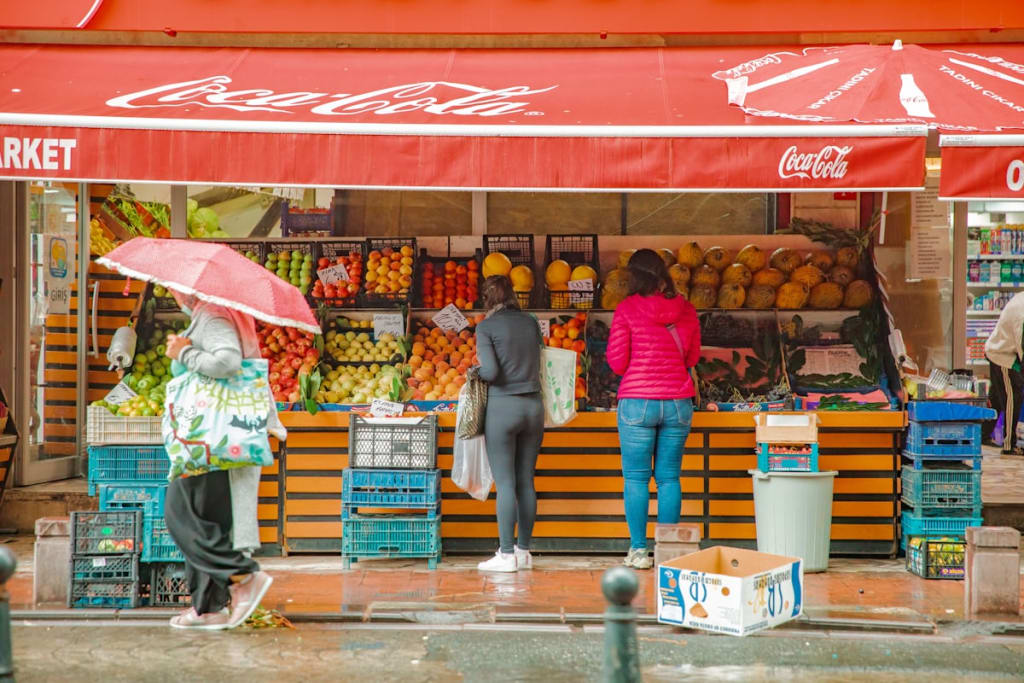
Ever walked into a store for “just bread,” and walked out ₦15,000 poorer with a cart full of things you didn’t plan to buy?
You’re not alone. Supermarkets are carefully designed psychological playgrounds that nudge you into spending more without you even realizing it. From lighting to layout, scent to sound, everything is part of a master plan to empty your wallet.
Even in Nigeria, where the setups might look different than in Europe or the U.S., the strategies are surprisingly similar. These tricks are subtle, but they work — and once you know them, it’s hard to unsee them.
Let’s break down 8 of the sneakiest tactics they use — so you can start spotting them and shopping smarter.
🧠 1. The Entrance is a Trap (In a Nice Way)
The first area you walk into is often filled with fresh flowers, fruits, and colorful produce. This isn’t just for looks — it gives you a sense of freshness, health, and abundance. That “feel-good” start makes you more likely to spend emotionally.
It’s psychological priming — setting the mood before you hit the serious stuff like rice or detergent.
🎶 2. Slow Music, Slower Shopping
Ever noticed the calm background music playing as you browse? Research shows that slow tempo music makes shoppers move slower, which increases the chance you’ll browse longer — and buy more.
The longer you stay, the more you spend. Simple math, sneaky execution.
🍞 3. Essentials Are Always at the Back
Bread, milk, sugar — they’re almost always at the very end of the store. Why? Because it forces you to walk past all the snacks, drinks, and “impulse buys” just to get your basics.
It’s a classic “path of temptation” strategy — and it works like magic.
🧀 4. Eye Level = Prime Selling Space
There’s a reason kids' cereals and high-margin products are placed at eye level: that’s where your eyes naturally go. Brands even pay stores extra to get placed in these spots.
Want better deals? Look at the bottom shelves — that’s where the cheaper (but similar) products usually live.
🧴 5. Bulk Deals Aren’t Always a Bargain
“Buy 2, Get 1 Free” sounds like a steal, right? Not always.
Sometimes, stores slightly inflate the unit price before bundling, so you think you’re saving — when you’re not. Always check unit prices and compare before grabbing “bulk bargains.”
🛒 6. Bigger Carts, Bigger Spending
Those oversized trolleys aren’t for your comfort — they’re a psychological nudge. Studies show people spend up to 40% more when pushing a big cart vs. a small basket.
You feel like your cart looks too empty, so you keep filling it “just a little more.”
👃 7. Smells That Sell
Some supermarkets literally pump in the smell of fresh bread or cookies near bakery sections to trigger appetite and impulse buying.
Smell influences memory and emotion more than any other sense — and supermarkets use that science to their advantage.
🎯 Bonus Trick #8: Limited-Time Offers Aren’t Always “Limited”
You’ve seen those bright signs: “Only 2 left!” or “Offer ends today!” But guess what? In many cases, the deal will still be there tomorrow. These urgency tactics play on your fear of missing out (FOMO), pushing you to buy before thinking.
Marketers call this scarcity bias — and it works brilliantly. Just remember: if it wasn’t on your list, it might not be worth the panic buy.
🧾 Final Thought: Shop Smart, Not Subconscious
Next time you walk into a supermarket, remember: you’re entering a carefully crafted environment designed to make you feel good while you spend more. That’s not necessarily a bad thing — as long as you’re aware of it.
Awareness is power. Knowing these psychological tactics puts you back in control. So the next time you grab “just bread,” ask yourself: Is it your stomach talking… or the store layout?
About the Creator
Wool Rugs: Why They are Popular and Worth Considering
Wool rugs continue to be a popular choice for living spaces, and their appeal has remained steady for generations. While synthetic rugs often cost less upfront, wool stands apart for its natural performance, comfort, and long-term value. Understanding why wool rugs are so widely used helps explain why they remain a smart and reliable option for many homes today.
By orton watt5 days ago in Lifehack
How to Choose the Right Fitness Equipment for Your Home Gym
How to Choose the Right Fitness Equipment for Your Home Gym (Without Wasting Money) Building a home gym is exciting, but it’s also where many people make expensive mistakes. With endless machines, brands, and “must-have” features, it’s easy to buy equipment that looks impressive online but doesn’t truly fit your space, goals, or long-term routine. Many home gyms slowly turn into storage rooms filled with unused machines.
By Enrique Navarro7 days ago in Lifehack


Comments
There are no comments for this story
Be the first to respond and start the conversation.