
7 home gardening practical hacks
Practical guide to growing ever green vegetables
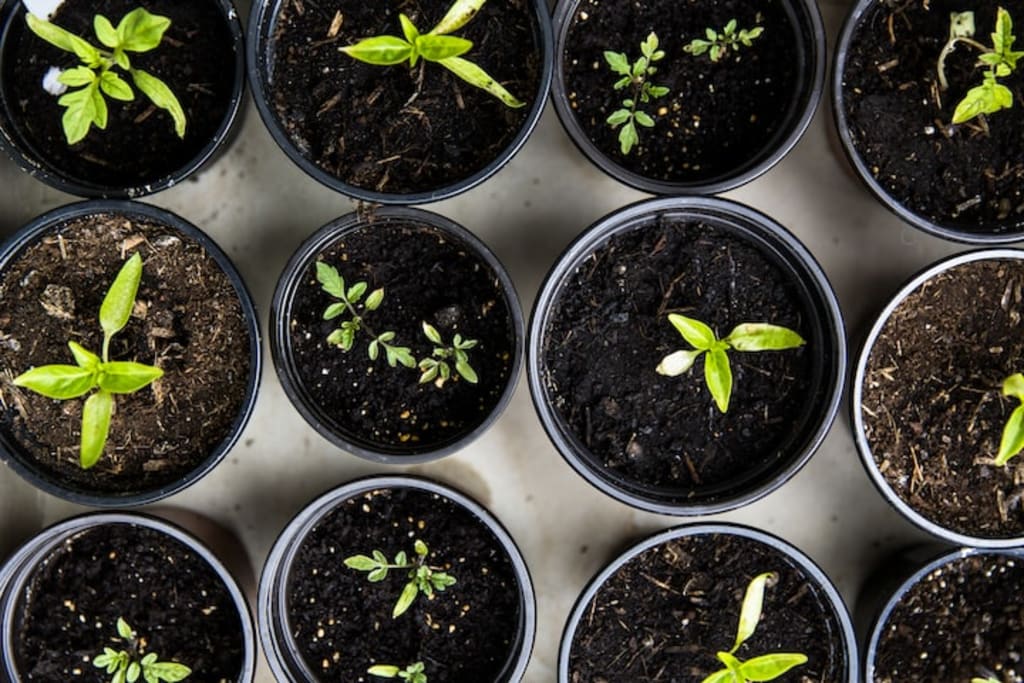
1. Eggshell Fertilizer: Crush eggshells and sprinkle them around your plants. They provide calcium to the soil, benefiting plants like tomatoes and peppers.
2. DIY Watering System: Place a plastic bottle with holes near plant roots for a slow, steady watering system. This ensures consistent moisture without overwatering.
3. Coffee Grounds for Pest Control: Used coffee grounds can act as a natural pest repellent. Scatter them around plants to deter pests like snails and slugs.
4. Companion Planting: Planting certain crops together can enhance growth and deter pests. For example, basil planted near tomatoes can improve flavor and repel insects.
5. Homemade Weed Killer: Mix vinegar, salt, and dish soap for a natural weed killer. Be cautious, as it can affect surrounding plants, so apply it directly on weeds.
6. Upcycled Planters: Reuse items like old tires, wooden crates, or even broken wheelbarrows as unique and eco-friendly plant containers.
7. Mulching with Newspaper: Lay newspaper around plants to suppress weeds and retain moisture. Cover it with a layer of mulch for an effective and biodegradable weed barrier.
Banana Peel Boost: Use banana peels as a nutrient-rich addition to your compost or bury them near rose bushes for a potassium boost.
Garlic Insect Repellent: Plant garlic around your garden to repel aphids and other pests. It acts as a natural insect deterrent.
Milk for Mildew: Mix equal parts milk and water and spray on plants to prevent powdery mildew. The proteins in milk act as an antifungal agent.
Citrus Peel Slug Trap: Place citrus peels upside down near plants. Slugs are attracted to the moisture underneath, providing an easy and organic trap.
DIY Seed Tape: Mix flour and water to create a paste, then use it to attach seeds to strips of newspaper. This makes it easier to plant seeds evenly.
Cinnamon for Seedlings: Dust cinnamon on seedlings to prevent damping-off disease. It acts as a natural fungicide.
Raised Bed Protection: Place copper wire or tape around the edges of raised beds to deter slugs and snails. They get a mild electric shock and stay away.
Shower Cap Greenhouse: Use shower caps to cover young seedlings, creating mini greenhouses for protection during colder nights.
Herb Garden Window Boxes: Plant herbs in window boxes outside your kitchen window for easy access to fresh herbs while cooking.
Vinegar pH Test: Test your soil's pH with vinegar. If it fizzes, your soil is alkaline. No reaction indicates acidity.
Aluminum Foil Sun Reflector: Place aluminum foil around plants to reflect more sunlight onto them, boosting growth.
Compost Tea: Steep compost in water to create nutrient-rich compost tea. Use it as a liquid fertilizer for your plants.
DIY Watering Globe: Fill a wine bottle with water, invert it into the soil, and create a homemade watering globe for consistent hydration.
Hay Bale Gardening: Plant directly into hay bales for an easy, no-dig gardening method. The hay breaks down, providing nutrients to the plants.
Cucumber Trellis: Train cucumber vines to climb a trellis to save space and encourage straighter cucumbers.
Wood Ash Pest Control: Sprinkle wood ash around plants to deter pests like slugs, snails, and beetles.
Reuse Coffee Filters: Place used coffee filters at the bottom of pots to prevent soil from washing out while still allowing for proper drainage.
Companion Flowers: Plant marigolds, nasturtiums, or calendulas among vegetables to repel pests and attract beneficial insects.
DIY Pallet Planter: Convert old pallets into vertical planters for space-saving and a rustic garden aesthetic.
Epsom Salt for Tomatoes: Sprinkle Epsom salt around tomato plants to boost magnesium levels, promoting healthy growth and fruiting.
Onion as Aphid Repellent: Plant onions around lettuce and other susceptible plants to repel aphids.
Mason Jar Herb Garden: Grow herbs in mason jars on a sunny windowsill for a charming and practical indoor garden.
Reuse Water from Cooking: Collect and cool water used for boiling or steaming vegetables. Once cooled, use it to water your plants for added nutrients.
About the Creator
Keep reading
More stories from Abolarinwa Adeboye and writers in Lifehack and other communities.
Rejuvenation through Rose
Emily stood in her backyard, gazing at the neglected rose garden that had once been her mother's pride and joy. The vibrant colors had faded into a chaotic mass of thorns and wilted petals, mirroring the grief that had engulfed her since her mother's passing. It had been a year, but the void left by her mother's absence felt as vast as ever.
By Abolarinwa Adeboye2 years ago in Families
Your heart and digestive system may be harmed simultaneously by breathing contaminated air.
It is well known that there are numerous health concerns associated with breathing contaminated air. More precise information is revealed by a new study, which demonstrates that air pollution may damage the human heart and intestines at the same time.
By Francis Damiabout 19 hours ago in Lifehack
When the Pink Slip Drops
The sudden end of employment often leads to hasty decisions. A separation from a business necessitates a clear assessment of the immediate environment to prevent long-term financial damage. The mechanics of the departure process reveal whether a business intends to honor its obligations or if it attempts to exploit the individual’s shock.
By Angela Ashabout 5 hours ago in Lifehack




Comments
There are no comments for this story
Be the first to respond and start the conversation.