
6 Essential Things to Know Before Buying a Forklift Battery
Maximize Performance and Longevity: Key Considerations Before Purchasing a Forklift Battery

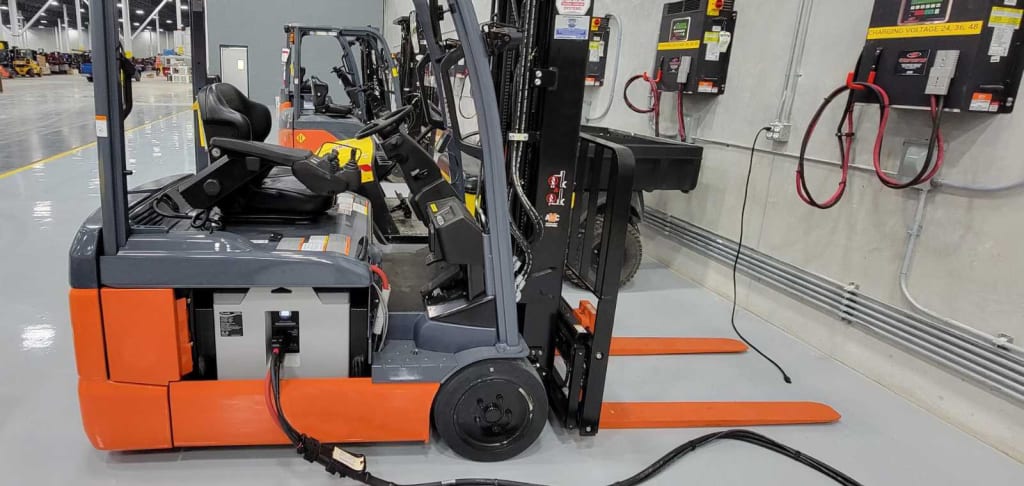
Choosing the right forklift battery is crucial for maintaining operational efficiency and longevity. With various battery types and features available, making an informed decision can be challenging. This guide will help you navigate the complexities of forklift batteries and highlight key considerations to ensure you make the best choice for your needs.
1. Understand the Different Types of Forklift Batteries
Forklift batteries generally come in two types: lead-acid and lithium-ion. Lead-acid batteries are the traditional choice, known for their cost-effectiveness and reliability. However, they require regular maintenance, such as water replenishment and cleaning, and generally have a shorter lifespan compared to lithium-ion batteries.
Lithium-ion batteries, on the other hand, are gaining popularity for their low maintenance requirements and longer operational life. They offer faster charging times and superior performance in demanding environments. Understanding the advantages and drawbacks of each type will help you select a battery that aligns with your operational needs and budget.
2. Evaluate Battery Capacity and Runtime
Battery capacity, measured in amp-hours (Ah), is crucial as it indicates how long the battery can power the forklift before needing a recharge. For high-intensity operations or extended shifts, a higher-capacity battery may be necessary. Lithium-ion batteries typically offer better runtime and efficiency, making them ideal for applications requiring consistent performance. Assess your operational demands to choose a battery that balances power and endurance.
3. Consider Charging Infrastructure and Time
The charging infrastructure and time required for a battery to recharge are essential factors. Lead-acid batteries usually require longer charging times and may need to be swapped with a backup battery during extended shifts. Lithium-ion batteries charge much faster and often feature quick-charge options, reducing downtime and boosting productivity. Ensure that your existing charging infrastructure can accommodate the new battery type or be prepared to invest in compatible solutions.
4. Analyze the Total Cost of Ownership
When evaluating forklift batteries, consider the total cost of ownership beyond the initial purchase price. While lithium-ion batteries often have a higher upfront cost, their lower maintenance needs, longer lifespan, and faster charging can lead to lower overall costs over time. Factor in potential savings on maintenance, battery replacements, and downtime to make a cost-effective choice that aligns with your financial and operational goals.
5. Prioritize Battery Safety and Compliance
Safety is crucial when dealing with forklift batteries. Lithium-ion batteries come with advanced safety features to protect against overcharging, overheating, and other hazards. Ensure any battery you choose meets industry safety standards and regulations. Look for certifications and reviews that validate the safety and reliability of the battery to avoid potential issues and ensure smooth operations.
6. Research Manufacturer Reputation and Support
Selecting a reputable battery manufacturer is essential for ensuring product quality and dependable support. A well-established manufacturer with a strong track record is more likely to offer high-quality batteries and responsive customer service. Look for companies with positive reviews, industry certifications, and a history of reliability. Check for comprehensive warranty options and after-sales support, which can be crucial for addressing any issues that may arise with your battery. Additionally, some manufacturers provide valuable resources such as training materials, technical support, and maintenance guides to help you get the most out of your investment. Choosing a manufacturer with robust support and a commitment to customer satisfaction can significantly enhance your overall experience and operational efficiency.
Conclusion
Choosing the right forklift battery involves evaluating various factors, including battery type, capacity, charging infrastructure, total cost of ownership, safety, and manufacturer reputation. By considering these aspects carefully, you can select a battery that enhances the efficiency and productivity of your operations.
If you're interested in exploring high-quality lithium-ion forklift batteries, consider reaching out to reputable suppliers who specialize in these solutions. They can provide tailored recommendations to meet your specific needs and ensure you make an informed choice.
About the Creator
Richye Power
Discover RICHYE Battery, a leading lithium battery manufacturer renowned for excellence in performance and quality. Experience superior reliability and innovative solutions tailored to meet your specific needs.
Keep reading
More stories from Richye Power and writers in Lifehack and other communities.
Tips on How to Safely Install and Replace Floor Scrubber Batteries
Floor scrubbers are essential for maintaining clean and hygienic environments in various commercial and industrial settings. Ensuring proper installation and replacement of their batteries is crucial for the equipment’s performance and longevity. Follow this comprehensive guide to safely and effectively navigate the process.
By Richye Powerabout a year ago in Lifehack
You Won't Believe How Easy it is to Get 100,000 Miles Between Brake Jobs
Most drivers are destroying their brakes prematurely — and it has nothing to do with speed. As a Master Mechanic for 25 years, I’ve seen every driving style imaginable. And nothing reveals a driver’s habits faster than how often they need brake work.
By Jack Martina day ago in Lifehack
Top Seattle Mobile App Development Trends to Watch in 2026
The moment often comes quietly. A leadership team reviews last year’s mobile roadmap and realizes how much has already shifted. Costs are higher. Users are less patient. Regulations feel closer. What worked even two years ago now feels slightly outdated.
By Samantha Blakeabout an hour ago in Lifehack
So You Decided To Become a Nurse Practitioner:
So you decided to become an "Advanced Practice" nurse. Congratulations!... is what I would say if this was a good idea. Grad school? In this economy? What were you thinking? Likely it was something along the lines of either 1) “I've seen these other chucklefucks do it— Why can't I?” or even 2) “I've got a nice career, I should shake it up. I miss feeling like I have no clue what I'm doing.”
By Sandor Szabo3 days ago in Fiction



Comments
There are no comments for this story
Be the first to respond and start the conversation.